


 INDIANA - The Hoosier State is facing a "perfect storm" of spring wildlife activity. While unseasonably cool and wet conditions have fueled a record-breaking avian flu outbreak, the recent shift into warmer April days has triggered the emergence of apex predators and a "critical" tick forecast.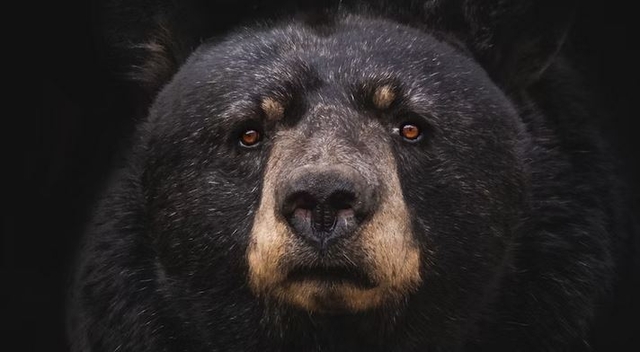
From the Indiana Dunes to the Ohio River Valley, here is what is on the move in Indiana right now.
1. Avian Influenza: The "Spring Fester" in Poultry
The Indiana State Board of Animal Health (BOAH) and State Veterinarian Kyle Shipman issued a high-priority update on April 20, 2026. Highly Pathogenic Avian Influenza (HPAI) has "wreaked havoc" on Indiana poultry producers this spring.
- The Situation: As of early April, there were over 20 active cases across the state, with LaGrange County hit especially hard (including a commercial egg-layer flock of 19,500 birds).
- The Cause: Cool, wet conditions have allowed the virus to survive longer in the environment, and migratory waterfowl have continued to infiltrate even high-biosecurity facilities.
- The Risk: While the risk to the general public remains low, the virus has been found in various wild species, including robins, ravens, and wild turkeys.
- Action Plan: Backyard poultry owners must maintain "persistent biosecurity." If you see sudden death or purple discoloration in your birds, call the Healthy Birds Hotline at 866-536-7593.
2. Black Bears: The Jennings County Sighting
On April 8, 2026, a confirmed black bear sighting in Jennings County put Southern Indiana on high alert. This follows a trend of bears moving back into the state from neighboring Kentucky and Michigan.
-
The Conflict: This bear—and others potentially moving through the state—are emerging from hibernation hungry. They are currently being drawn to "easy meals" in residential neighborhoods.
-
The Rule: "A Fed Bear is a Dead Bear." Feeding bears, even accidentally, causes them to lose their fear of humans, which often results in the bear needing to be euthanized for public safety.
-
Action: Take down bird feeders immediately and store trash cans in a garage or shed. If you spot a bear, do not approach or follow it; report the sighting to the Indiana Division of Fish & Wildlife at 812-334-1137.
3. The 2026 Tick "Surge."
Medical entomologists at Purdue University and the MMCD have issued a "Lyme High" warning for 2026. Following a trend in which larval activity extended into late fall 2025, the resulting nymphs are emerging with a higher-than-average infection rate.
- The Nymph Warning: We have officially entered the peak for nymphal deer ticks. These are the size of a poppy seed and are responsible for the vast majority of human infections because they go undetected on the skin.
- The 2026 Forecast: The first deer tick of the year was recorded on March 9th. In particular, black-legged ticks (the primary vectors of Lyme disease) are expanding geographically beyond historic hotspots in Northern Indiana into central and southern counties.
- Action: Treat your hiking and gardening gear with permethrin. Perform a "pressure check" (feeling for small, stationary bumps) every evening after being outdoors.
4. Spotted Lanternfly: The "Tree of Heaven" Push
As of February 27, 2026, Purdue Extension and the Indiana DNR have launched a massive detection and reporting campaign for the Spotted Lanternfly (SLF), which is an imminent risk to counties including Monroe and Tippecanoe.
- The Threat: SLF is an economic assassin for Indiana's $7.9 billion forest and vineyard industries. They prefer to feed on the Tree of Heaven, which is scattered throughout the state.
- The Action: April is a key month for identifying and removing the Tree of Heaven on your property. Tippecanoe County is even hosting an Invasive Plant Swap (launched April 13, 2026), where you can trade invasive trees for native replacements.
- What to Look For: Check for SLF egg masses on trees and smooth surfaces—they look like patches of dried mud. Scrape them into a bag with rubbing alcohol before they hatch later this spring.
5. Emerald Ash Borer: The "Herd Immunity" Strategy
While the Emerald Ash Borer (EAB) was first detected in Indiana years ago, the focus in April 2026 has shifted to "herd immunity" strategies in cities like Bloomington, which recently received a $50,000 state grant to save its remaining ash trees.
- The Window: Mid-April to May is the peak window for preventative trunk injections as trees "leaf out" and can most effectively transport the insecticide.
- The Strategy: Cities are treating high-quality specimens to maintain canopy cover while removing already infested trees that pose a safety risk for falling during spring storms.
- Action: If you have high-value ash trees, contact a certified arborist this week for treatment. "Buy It Where You Burn It"—moving firewood remains the #1 way EAB spreads to uninfested pockets of the state.
Summary Checklist for Indiana Residents
- Protect the Flock: Maintain strict biosecurity for backyard chickens; the 2026 HPAI outbreak is still active.
- Bear-Proof the Yard: If you live in Southern Indiana, secure your trash and grills to prevent "nuisance" bear behavior.
- Tick Hygiene: Use DEET or Picaridin and perform checks daily; the 2026 nymphal infection rate is trending high.
- Plant Natives: Participate in local "Invasive Swaps" to remove Tree of Heaven and Bradford Pears before they seed this spring.
