


 IDAHO STATE - Summer 2026 brings warmer days to the Gem State. Idaho's diverse landscapes—from the high desert of the Treasure Valley to the rugged peaks of the Panhandle—are seeing a surge in biological activity. The Idaho State Department of Agriculture (ISDA) and the Department of Fish and Game (IDFG) have issued several high-priority alerts this month.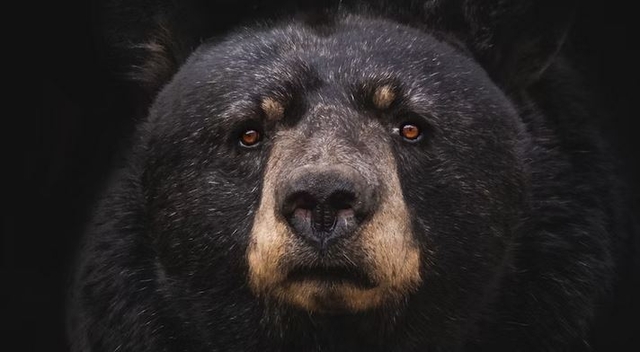
From "super-rats" in urban centers to an escalated defense against aquatic invaders, here is what is on the move in Idaho right now.
1. The Treasure Valley Rat Infestation
In early 2026, the Idaho Legislature moved forward with House Bill 781, a direct response to a significant surge in rat populations across the Treasure Valley. The bill officially grants county commissioners the authority to declare rats (specifically Norway and roof rats) as "agricultural pests."
- The Situation: Mild winters and rapid urban growth have led to record-breaking rat sightings in Boise, Meridian, and Nampa.
- The Hazard: Beyond property damage, these rodents are vectors for various "plant disease-causing organisms" and pose a risk to stored grain and livestock feed.
- Action Plan: Residents are urged to secure trash, remove outdoor pet food, and seal any gaps in home foundations larger than a quarter-inch.
2. Quagga Mussels: The Mandatory Checkpoints
As of April 14, 2026, the ISDA has officially opened all watercraft inspection stations for the season. This year marks an escalated defense following the 2023 detection of quagga mussels in the Snake River near Twin Falls.
- The Threat: Quagga mussels reproduce at a staggering rate, capable of clogging irrigation pipes and drinking water intakes. An infestation could cost Idaho hundreds of millions in damage to its agricultural infrastructure.
- The Rule: All boaters must stop. Idaho law requires every watercraft—including paddleboards, kayaks, and canoes—to be inspected when traveling past an open station.
- Requirement: Non-resident boat owners must purchase an invasive species sticker before launching in Idaho waters.
3. Grizzly Bear Emergence in Eastern Idaho
On March 11, 2026, the first grizzly bear of the year was spotted in the Greater Yellowstone Ecosystem. As of mid-April, biologists warn that females with cubs are now emerging from their dens.
- The Conflict: Post-hibernation bears are hungry and often scavenge on winter-killed elk and bison. They can be extremely aggressive if surprised while feeding on a carcass.
- Safety Protocol: If you are hiking in the Island Park or Teton regions, carry bear spray and make plenty of noise. Secure all "attractants" (food, trash, and toiletries) in bear-resistant containers.
- The Forecast: With the "spring green-up" occurring later in higher elevations, expect bears to remain in lower valley floors throughout April.
4. The "Baby Wildlife" Warning
As of April 20, 2026, IDFG has issued its annual "Look, Don't Touch" alert. April is the peak of the "baby boom" for Idaho's deer, elk, and waterfowl.
- The Mistake: Well-intentioned hikers often "rescue" fawns or goslings that appear abandoned. In reality, the mother is usually nearby, foraging for food.
- The Rule: It is illegal to take most wildlife species from the wild in Idaho. Human intervention often leads to the death of the animal because it cannot be properly reintegrated into the wild.
- Action: If you find a young animal, leave it alone. If you truly believe it is injured, contact your local Fish and Game regional office.
5. Tick Season and "Poppy Seed" Nymphs
Idaho's tick season has arrived early this year. Following the trend across the Intermountain West, the 2026 season is projected to be high-volume due to the moist spring.
- The Primary Threat: The Rocky Mountain Wood Tick and the Deer Tick are active.
- The Size: In April, you are looking for nymphs that are no larger than a poppy seed. They are frequently found in the tall grasses of the Boise Foothills and the Clearwater National Forest.
- Prevention: Use EPA-registered repellents and perform a "tick check" on your pets before they come back inside your home.
Summary Checklist for Idaho Residents
- Stop for Inspections: Every boat, regardless of size, must stop at ISDA stations to prevent the spread of Quagga mussels.
- Rat-Proof Your Property: Especially in the Treasure Valley, secure all food sources to support the new 2026 pest control efforts.
- Leave the Babies: Do not "rescue" fawns or birds; let nature take its course.
- Bear Awareness: Carry bear spray and secure your trash if you live in or near the eastern mountains.
