


 ARIZONA - Summer 2026, Arizona is experiencing a rapid transition into summer-like conditions. With temperatures in the Valley already hitting the 90s, the "explosive" spring wildlife season is in full swing. The Arizona Department of Agriculture and the Banner Poison & Drug Information Center have issued several high-priority alerts this month.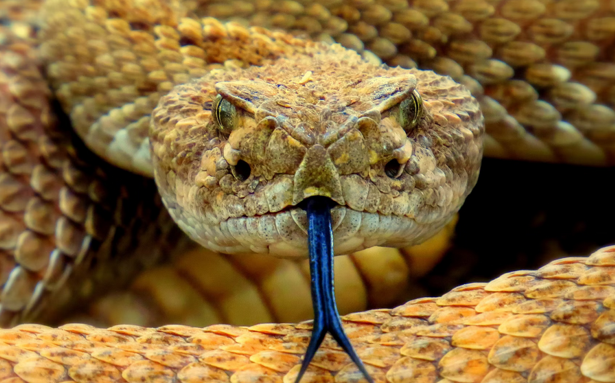
From rattlesnakes in kitchen appliances to a "super-surge" of spider mites in the melon fields, here is what you need to know to stay safe in the desert right now.
1. Rattlesnake "Explosion": The Spring Peak
Experts in the Phoenix and Tucson metros are describing the April 2026 season as "explosive." Unlike the monsoon season, where activity is spread across the day, spring activity is concentrated as snakes emerge from winter dens to find food and mates.
- The Incident Report: On April 1, 2026, a homeowner in East Tucson discovered a Western Diamondback rattlesnake hiding behind their stove after hearing a strange "hissing" noise they initially mistook for a gas leak.
- The "Shoe" Warning: Another yearling rattlesnake was found curled up in a shoe on a patio in a newly developed area near the Santa Cruz River.
- The Danger: As of late March, the Banner Poison Center had already handled 10 rattlesnake bites and over a dozen pediatric cases this year.
- Action: Never reach into a "blind" spot—such as a shoe left outside or behind a storage bin—without looking first. If you find a snake, do not attempt to move it; call a professional relocation service.
2. Scorpions and "Neon" Night Checks
With nighttime temperatures rising significantly this April, Arizona Bark Scorpions have entered their peak activity phase.
- The Surge: The Poison Center has already managed 237 scorpion stings in 2026.
- The Behavior: Scorpions are nocturnal and are currently leaving their winter "shelters" (wall voids and rock piles) to hunt for crickets and roaches.
- Pro-Tip: Use a UV (blacklight) flashlight to perform a "perimeter check" of your patio and block walls at night. Scorpions glow a bright neon green under UV light, making them easy to spot and remove before they enter your home.
3. "Desert Defenders": The Invasive Plant War
Maricopa County Regional Parks have issued an urgent call for "Desert Defender" volunteers throughout April 2026 to combat invasive plant species that are fueling a high wildfire risk.
- The Targets: Stinknet (Globe Chamomile) and Buffelgrass.
- The Hazard: These plants grow rapidly during the spring and dry out into "flash fuels." Stinknet, in particular, has a pungent odor and can cause severe respiratory distress and skin rashes for some people.
- Action: If you are hiking in Cave Creek or White Tank regional parks, stick to the trails to avoid spreading invasive seeds. Homeowners should remove these "fine fuels" from their property now to create a defensible space before the heat of May.
4. Agricultural Alert: Spider Mites and Whiteflies
The April 1, 2026, VegIPM update from the University of Arizona highlights a massive spike in agricultural pests due to the recent hot, dry conditions.
- The Threat: Spider Mites are currently overwhelming natural predators in melon fields across the Yuma and Maricopa regions. They cause "stippling" and webbing on leaves, which can devastate watermelon and cantaloupe crops.
- The "Bee" Warning: Because many of these crops are currently being pollinated, the Department of Agriculture is urging growers only to apply treatments at night to avoid killing honeybees.
- Home Gardeners: Check the undersides of your tomato and melon leaves for fine webbing. A strong blast of water can often knock mite populations down without the need for harsh chemicals.
5. Bear Awareness: "Stay Safe, Keep Bears Wild."
The Arizona Game and Fish Department (AZGFD) released a new safety video on April 16, 2026, as black bears emerge from their dens in the Mogollon Rim and Coronado National Forest.
- The Conflict: Hungry bears are wandering into mountain communities like Payson and Prescott.
- The Rule: Take down bird feeders. In Arizona, most bear-human conflicts start with unsecured trash or bird seed.
- Safety Protocol: If you encounter a bear, do not run. Stand your ground, make yourself look large, and stay calm. Report "nuisance" bears to the AZGFD 24-hour dispatch.
Checklist for Arizona Residents
- UV Light Checks: Inspect your home's exterior walls and entryways at night for scorpions.
- Shake the Shoes: Always shake out any footwear left on the patio or in the garage.
- Fire-Proof Your Yard: Manually pull Stinknet and dry grasses to reduce your home's wildfire risk.
- Snake Awareness: When hiking, wear closed-toe shoes and stay in the center of the trail; rattlesnakes are currently basking in the morning sun.
