


 ALASKA - As the new year begins, the Alaska Department of Fish and Game (ADFG) is issuing a heightened safety warning to residents in the Anchorage bowl and surrounding Hillside communities. While Alaska has always been a land where humans and apex predators coexist, state biologists are noting a surge in "brazen" behavior among wolf packs and brown bears that is bringing them deeper into residential zones than ever before.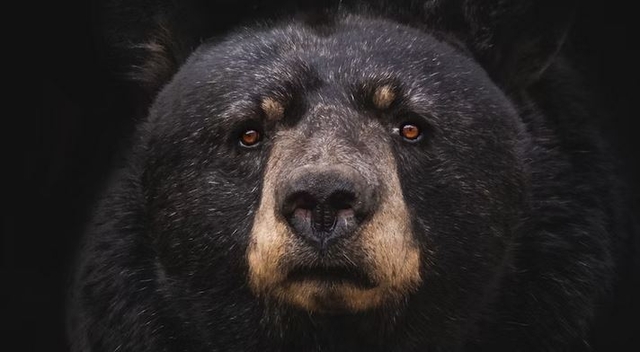
In recent months, encounters that once happened in the deep wilderness are now occurring on neighborhood trails and in fenced backyards, signaling a shift in how these animals perceive human territory.
1. The Bold Wolf Packs of Anchorage
The most significant shift in 2026 involves a documented increase in wolf sightings within city limits. Traditionally elusive, these predators are becoming increasingly visible and territorial near residential greenbelts.
- The Far North Bicentennial Pack: Residents near East Anchorage have reported a pack of six wolves that has become a frequent sight on neighborhood trails. In a series of brazen encounters, the pack has been observed "staring down" residents from as close as 50 yards, showing little inclination to flee.
- Pet Attacks in South Anchorage: ADFG confirmed a trio of wolves recently attacked a pet dog in a South Anchorage backyard. Biologists believe these wolves are following moose into the city and are becoming habituated to the presence of humans and domestic animals.
- In response to these encounters, ADFG has accelerated a GPS collaring study to track these packs and understand why they choose to remain in high-traffic urban areas rather than retreat to the Chugach Mountains.
2. Hillside Bear Escalation
While many bears are currently in dens, a significant number of "problem" brown bears remained active late into the 2025 season, targeting livestock in the Hillside, Eagle River, and Girdwood areas.
- Livestock Predation: Predators have been accessing, or attempting to access, poultry and small livestock in suburban neighborhoods. ADFG warns that bears defending these new food sources become an immediate public safety threat.
- The Electric Fence Mandate: Officials strongly urge residents with chickens or goats to use five-strand electric fencing. In several "brazen" cases, bears have shredded traditional wooden fences and even attempted to enter outbuildings while residents were present.
3. The "Carcass Factor" and Habituation
Biologists point to a specific cause for this winter's boldness: Food Conditioning. * Moose Carcasses: In several instances, wolf packs have claimed moose carcasses near popular recreational trails. Instead of moving on when humans approach, the wolves are standing their ground to protect the food source.
-
Loss of Wariness: Biologists often observe a pattern in which a specific pack tends to become bolder over time. When predators learn that humans do not represent an immediate threat, they begin to view neighborhoods as "low-risk, high-reward" hunting grounds.
4. Alaska Safety Protocols for 2026
To prevent further habituation and protect your home, ADFG recommends these immediate steps:
- Strict Trash Discipline: Secure all garbage inside a garage or bear-resistant container. Even in mid-winter, the scent of food scraps can draw in hungry wolves or "insomniac" bears.
- Supervise All Pets: Never allow dogs to roam off-leash in wooded greenbelts. If wolves are in the area, keep pets indoors or within a secure, electrified enclosure.
- The "Hazing" Rule: If you encounter a predator in your yard, do not be passive. Shout, use an air horn, or throw rocks to re-establish a boundary. Please do not allow them to feel comfortable in your space.
- Light the Night: Use motion-activated floodlights to illuminate backyard perimeters, which can deter predators that prefer the cover of darkness.
Coexisting with the Wild
 Living in the Last Frontier requires a constant awareness of the powerful animals that share our landscape. The "brazen" behavior seen in early 2026 is a reminder that, as we expand our urban footprint, we must remain vigilant in our role as responsible neighbors toAlaska'ss wildlife. By removing attractants and maintaining firm boundaries, residents can help ensure that predators remain wild and our neighborhoods remain secure. Coexistence is only possible when we respect the power of these animals and take the necessary steps to keep them from becoming too comfortable in our human environments.
