


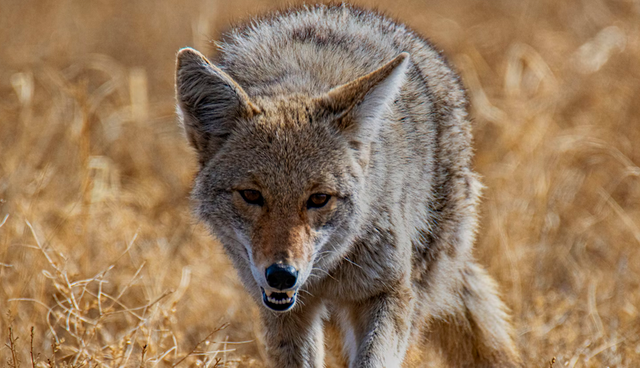
From the desert foothills of North Scottsdale and Tucson to the mining towns of eastern Arizona, these apex hunters are being caught on camera in broad daylight, lounging on patios and stalking through neighborhood parks.
1. The "Ghost of the Desert" Comes Out of the Shadows
Traditionally, mountain lions are so elusive they are rarely seen by humans. However, the winter of 2025–2026 has seen a shift in behavior that officials describe as "abnormally bold."
- The Sighting: In Tucson Estates and the foothills of the Catalina Mountains, residents have reported mountain lions following dog walkers from a distance and even investigating "cave-like" spaces beneath mobile home trailers and backyard sheds.
- The "Brazen" Incident: In a recent occurrence, a mountain lion in the Clifton area was caught on security footage repeatedly roaming residential yards over a 48-hour period, refusing to leave even when spotlights were triggered.
- The Prey Attraction: The primary driver for these incursions is the presence of urban prey. Mountain lions are following Javelina and Mule Deer herds directly into residential cul-de-sacs where these animals graze on lush valley landscaping.
2. The Habituation Crisis: Coyotes in the Metro Area
While mountain lions are the most imposing threat, the "urban coyote" is currently causing the most frequent conflicts in the Phoenix metropolitan area.
- Loss of Fear: Following a series of coyote encounters in North Scottsdale, wildlife specialists have found that these predators have completely lost their natural fear of humans.
- The "Reward" Cycle: AZGFD investigators have found that in almost every case of "brazen" coyote behavior, the animal has been "rewarded" with food—either through deliberate feeding or easy access to unsecured pet food and overflowing bird feeders.
- Daytime Boldness: Residents are reporting coyotes that no longer scatter when shouted at, instead standing their ground and even "escorting" people away from what the coyote perceives as its own territory.
3. Why Now? The Winter Intersection
Several factors are converging this January to bring predators into your backyard:
- Drought & Water: As natural mountain springs dry up, predators move into the valleys to drink from swimming pools, decorative fountains, and pet water bowls.
- Breeding Season: January and February are peak breeding months for coyotes. This makes them more active, more territorial, and more likely to take risks to find food for their mates and future litters.
- Urban Sprawl: As development continues to push into previously wild desert land, the "buffer zone" between humans and apex predators is vanishing.
4. How to Protect Your Property and Pets
The AZGFD recommends the following "Living with Wildlife" protocols for all Arizona residents:
- The "Short Leash" Rule: Never walk your dog on a retractable leash. Keep them on a fixed 6-foot leash to maintain control if a predator appears.
- Secure Your Perimeter: Trim all low-lying brush and ground-level shrubs. Coyotes and mountain lions rely on ambush cover; taking away these hiding spots makes your yard less attractive.
- Eliminate Attractants: Never feed wildlife. Pick up fallen fruit from citrus trees daily and ensure all trash is in a secure, locked container that is only put out the morning of pickup.
- Light It Up: Install motion-activated lighting around the perimeter of your home and along walkways to keep approaching predators visible.
What to Do If You Encounter One
If you come face-to-face with a mountain lion or coyote, do not turn your back and do not run.
- Stand Your Ground: Face the animal and maintain eye contact.
- Make Yourself Large: Raise your arms, open your jacket, and stand on your tiptoes.
- Be Loud and Aggressive: Shout in a deep, firm voice. "GET OUT OF HERE!"
- Use Deterrents: Carry a "shaker can" (a soda can filled with pennies), an air horn, or even a spray bottle with vinegar water to haze the animal until it leaves.
