


 OREGON - From the rain-soaked hills of the Willamette Valley to the high desert suburbs of Central Oregon, residents are on high alert this winter following a series of brazen cougar and coyote sightings in residential neighborhoods. While Oregon is home to an estimated 6,000 mountain lions, the Oregon Department of Fish and Wildlife (ODFW) and local police are reporting an increase in predators showing a startling lack of fear around human homes.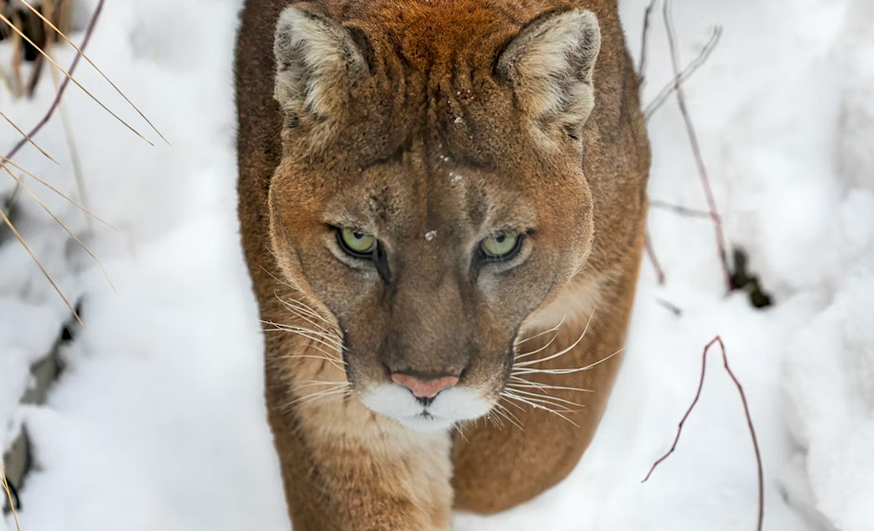
From the quiet cul-de-sacs of Corvallis to the bustling neighborhoods of Beaverton, these sightings have triggered official warnings for pet owners and parents to remain vigilant as the State apex predators move closer to back doors than ever before.
1. The "Porch Predation" in Corvallis
In a chilling display of brazen behavior in late 2025, residents in a northwest Corvallis neighborhood were left "uneasy" after a cougar was discovered caching its prey directly under a residential porch.
- The Sighting: The predator had killed a deer and buried it beneath the home, staying in the area for hours to protect its meal.
- The Shift: Wildlife officials noted that while cougars are typically elusive, this animal's decision to hunt and "stash" its prey in the middle of a residential block indicates an increasing comfort level with human scents and structures.
2. The "Backyard Patrol" in Beaverton
The Portland metro area hasn't been spared from these incursions. Residents in the Cedar Hills neighborhood of Beaverton recently captured security footage of a large cougar casually patrolling backyard fences and strolling past patio furniture in the early morning hours.
- Neighborhood Alarm: Local police have issued multiple alerts after the cat was seen repeatedly in a one-mile radius, including near shopping centers and school zones.
- Daylight Daring: Unlike traditional nocturnal behavior, some of these predators are being spotted during the day, lounging on garden walls or tracking turkeys and deer through suburban streets.
3. Why the Sudden Incursion?
Wildlife biologists point to several factors driving this brazen shift during the 2025–2026 winter season:
- Winter Prey Migration: As snow blankets the Cascades and Coast Range, mule deer and elk migrate to lower elevations. These herds often end up in "greenbelt" suburbs, and the cougars follow them directly into human territory.
- The "Turkey Buffer": Suburbs like Eugene and Corvallis have seen a boom in wild turkey populations. These large birds act as an "easy snack" that lures young, dispersing cougars away from the woods and into backyard gardens.
- Juvenile Dispersal: Winter is a peak time for young cougars to strike out on their own. These less-experienced "teenagers" are more likely to test the boundaries of human settlements as they search for their first independent territory.
4. How to Protect Your Property
To discourage these brazen visitors from lingering near your home, Oregon experts recommend:
- The "Porch Check": Before letting a pet out at night, scan your yard with a high-powered flashlight. Look for the "eye shine" of a predator that might be crouched in the shadows.
- Hedge Your Bets: Trim low-hanging branches and clear away thick brush piles near the house. Cougars are ambush hunters that rely on "cover" to get within striking distance of a porch or play area.
- Secure the Buffet: Never feed deer or turkeys on your property. By attracting prey, you are essentially "ringing the dinner bell" for cougars.
- Motion-Activated Deterrents: Install high-intensity, motion-activated lights or ultrasonic noisemakers. While some predators are becoming bolder, a sudden burst of light or sound can still break their concentration and cause them to retreat.
What to Do If You See One
If you encounter a cougar or a bold coyote in your yard, do not run. This triggers a primal "chase-and-kill" instinct that the animal cannot ignore.
Instead, stand your ground and try to look as large as possible. Open your jacket, raise your arms, and speak in a loud, firm voice (but do not scream). If the animal behaves aggressively, throw stones or nearby objects. In the infrequent event of an attack, fight back aggressively with anything at hand, focusing on the animal's eyes and face.
