


 COLORADO - Residents across the Front Range and Western Slope are on high alert this winter following a series of brazen mountain lion sightings in residential neighborhoods. While big cat encounters are not new to the Centennial State, recent security footage and reports from Colorado Parks and Wildlife (CPW) suggest some predators are becoming increasingly comfortable prowling within feet of back doors.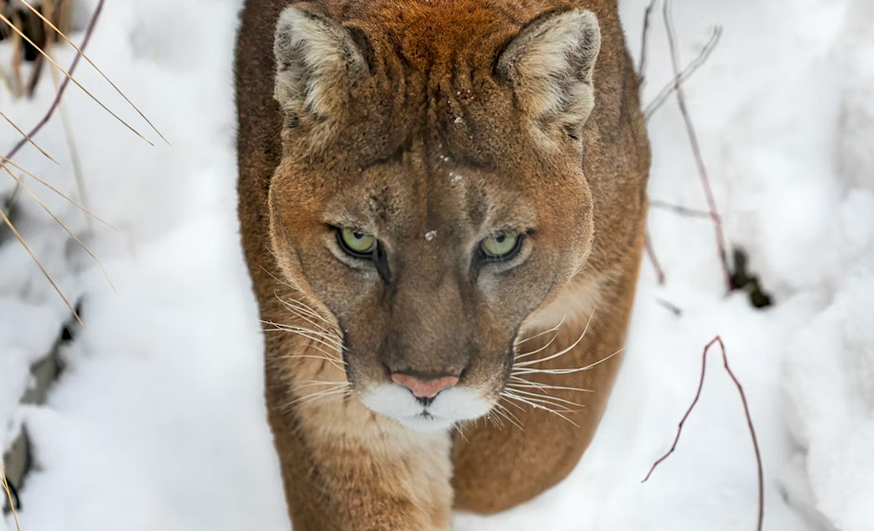
From the foothills of Boulder to the suburbs of Arapahoe County, these sightings have triggered official warnings for pet owners and parents to remain vigilant during the shorter winter days.
1. The Brazen Behavior
In recent months, homeowners in several counties have captured chilling footage on security cameras. In one instance in La Plata County, a group of mountain lions was filmed "scoping out" a backyard for several minutes, staring directly into windows and showing no fear of human proximity.
More recently, in December 2025, officials in Boulder and Arapahoe County reported a particularly brazen lion lounging on property walls and wandering through densely populated areas near South Parker Road. Unlike typical elusive behavior, these cats are hanging out in yards for extended periods, sometimes even napping in the sun within suburban developments.
2. Why the Sudden Incursion?
Wildlife experts note that mountain lion activity typically increases in residential areas during the winter for two primary reasons:
- Following the Food: As snow gets deeper in the high country, mule deer—the mountain lion's primary prey—migrate to lower elevations and valley floors. These areas often overlap with suburban backyards that have lush landscaping or bird feeders.
- Juvenile Dispersal: This time of year, many young lions are venturing out on their own. These less-experienced "teenagers" are more likely to wander into urban areas in search of an easy meal.
3. The "Sitting Duck" Risk for Pets
CPW has warned that free-roaming pets are essentially "sitting ducks" for a hungry lion. In communities like Manitou Springs and Nederland, there have been reports of lions successfully taking small dogs and outdoor cats directly from porches. Officials stress that a standard fence is rarely a deterrent, as an adult mountain lion can easily clear a 10-foot vertical jump.
4. How to Protect Your Property
To reduce the risk of an encounter, wildlife officials urge homeowners to follow these specific precautions:
- Landscape for Safety: Remove dense vegetation and low-hanging branches around children's play areas to eliminate hiding spots. Mountain lions are ambush predators that rely on cover to get close.
- Install Motion Lighting: Bright, motion-activated lights can be enough to startle a lion and discourage them from lingering.
- The "Dusk to Dawn" Rule: Keep children and pets inside from dusk until dawn, when lions are most active. If you must take a pet out, keep them on a short leash and carry a bright flashlight.
- Deter Deer: Avoid planting non-native shrubs that deer love to eat. If you aren't attracting deer, you are far less likely to attract the predators that follow them.
What to Do If You See One
 If you come face-to-face with a mountain lion, do not run. Running triggers their predatory instinct to chase. Instead, stand your ground, make yourself look as large as possible by opening your jacket or raising your arms, and speak firmly in a loud voice. If the lion behaves aggressively, throw stones or branches without crouching down, and if attacked, fight back.
