


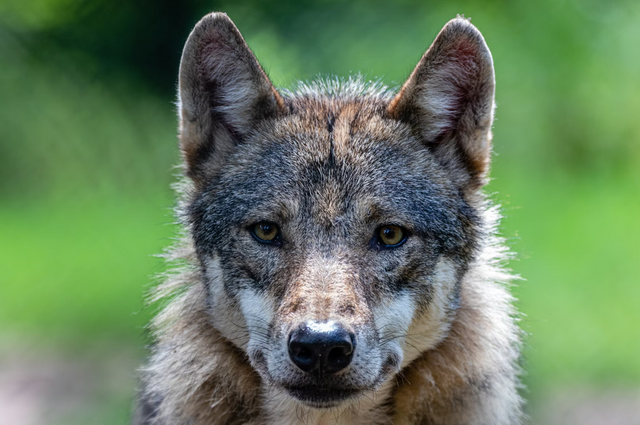
While Michigan's cougar population was once thought to be a thing of the past, 2025 ended with a historic milestone that has residents in the Upper Peninsula and northern Lower Peninsula on high alert.
1. The "Porch Sighting" and Record Numbers
The term "brazen" was officially adopted by wildlife observers following a series of sightings in late 2025. In one widely shared incident in Dickinson County, a resident's Ring doorbell camera captured a full-grown cougar lounging on a front porch in broad daylight, showing little to no fear of the nearby human structures.
- The 2025/2026 Record: The DNR confirmed 27 cougar sightings in 2025, the highest number since the agency began tracking the animals in 2008.
- A Historic First: For the first time in over 100 years, wildlife officials confirmed the presence of cougar kittens in the Michigan wild. A family unit—a mother and two-year-old cubs—was photographed in December 2025, proving that the species is no longer just "passing through" but is successfully breeding in the Great Lakes State.
2. Why They Are Getting Brazen
Wildlife biologists point to a "perfect storm" of factors that are bringing these massive cats into backyards:
- Prey Movement: Michigan’s deer population has exploded in recent years. As deer move into suburban areas to graze on gardens and birdseed, the cougars (their primary predators) are following them directly into residential neighborhoods.
- Technological "Eyes": The rise of affordable trail cameras and home security systems has made it easier to catch these elusive animals. However, the DNR warns that the frequency of these sightings suggests the cats are becoming more comfortable in human-occupied territories.
- The "Habituation" Risk: Predators that find easy prey (like outdoor pets or livestock) near homes lose their natural fear of humans, leading to the bold behavior seen in recent months.
3. The "Ghost of the Forest" in the Lower Peninsula
While the vast majority of sightings remain in the Upper Peninsula (UP), a viral report out of Oakland County in late 2025 has southern Michigan residents worried. Although the DNR has not yet officially "verified" a breeding population in the Lower Peninsula, several credible reports of a young cougar wandering through wetland areas near Novi and Lansing have prompted local police to advise caution.
4. How to Protect Your Property and Family
With the cougar population officially on the rise, the DNR and "BearWise" advocates recommend the following precautions:
- The "Dusk-to-Dawn" Rule: Cougars are primarily nocturnal but are most active at dawn and dusk. Avoid walking pets or letting children play unsupervised during these low-light hours.
- Eliminate the "Dinner Bell": Do not leave pet food outside. Ensure your trash is secured in a locked garage, and consider removing bird feeders if you have had predator sightings, as they attract the smaller animals cougars hunt.
- Secure Livestock: If you keep small livestock like goats or chickens, ensure their enclosures have a solid roof. Cougars are exceptional jumpers and climbers.
What to Do During an Encounter
If you come face-to-face with a cougar in your backyard, do not turn your back or run. Running triggers their instinct to chase, and they are significantly faster than humans.
Instead:
- Face the animal and stand your ground.
- Make yourself look large by waving your arms or opening your jacket.
- Make loud, firm noises. Shout, use a whistle, or bang pots and pans.
- If attacked, fight back. Use any object available. Unlike many other predators, cougars can often be deterred if the "prey" fights back aggressively.
