


 MINNESOTA STATE - Minnesota is under a high-priority environmental alert. While the state is preparing for a "spongy moth" offensive, the immediate danger is coming from above and below—specifically an extreme wildfire risk and a record-breaking forecast for tick-borne illnesses.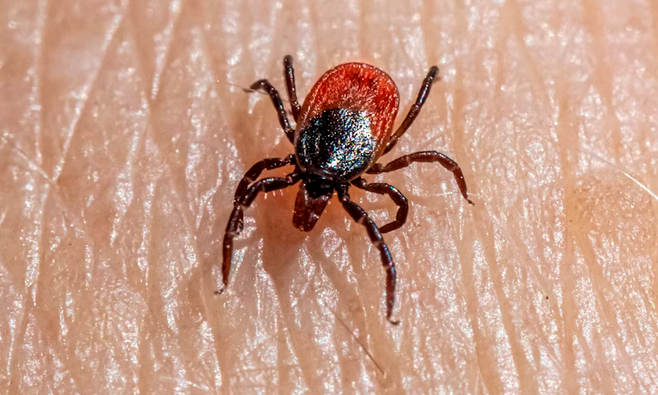
From the Boundary Waters to the Twin Cities, here is what is on the move in the Land of 10,000 Lakes right now.
1. The 2026 "Red Flag" Fire Crisis
On April 20, 2026, the National Weather Service and the Minnesota DNR issued a Red Flag Warning for 66 counties across the state. This is one of the most widespread fire alerts in April in recent history.
- The Danger: Extremely low humidity and wind gusts over 30 mph mean that any spark can ignite a fire that spreads at a "very fast" rate.
- The Hotspots: The Little Falls and Baudette forestry areas are currently at "Very High" risk levels.
- The Rule: All open burning permits have been revoked. Campfires are heavily discouraged and, in many northern counties, strictly prohibited.
- Safety Tip: Ensure trailer chains are not dragging on the pavement (a major source of sparks) and avoid parking vehicles in tall, dry grass.
2. Tick Alert: The "Lyme High" Year
Medical entomologists at the Metropolitan Mosquito Control District (MMCD) issued a "Lyme High" warning on April 2, 2026. Following a trend in which larval activity extended into late fall 2025, the resulting nymphs are emerging with a higher-than-average infection rate.
- The Nymph Warning: We have entered the peak for nymphal deer ticks. These are the size of a poppy seed and are responsible for the vast majority of human infections because they are nearly invisible on the skin.
- The "First" Tick: The first deer tick of 2026 was officially recorded on March 9th, a full week earlier than the 5-year average.
- Action: Treat your hiking gear and "garden clothes" with permethrin. Perform a full-body check every night, paying close attention to the hairline and behind the knees.
3. Spongy Moth: The "Aerial Offensive."
The Minnesota Department of Agriculture (MDA) finalized its 2026 management plan on April 15, 2026, to combat the Spongy Moth (formerly known as the Gypsy Moth).
- The Plan: Starting later this month, low-flying planes will begin treating 152,000 acres across nine counties, including Aitkin, Carlton, Olmsted, and St. Louis.
- The Method: They are using a mating disruptor (SPLAT GM-O) that mimics female moth scents to confuse males and prevent reproduction.
- The Danger: This invasive pest can completely defoliate whole forests in a single season. If you live in a treatment zone, you may see yellow or green droplets on surfaces—this is the pheromone-based organic gel.
4. Emerald Ash Borer: The "Itasca" Expansion
The MDA confirmed on April 19, 2026, that the Emerald Ash Borer (EAB) has officially been detected in Itasca County. This brings the total number of infested counties to 59 out of 87.
- The Quarantine: A new quarantine is now in effect for Itasca County, strictly prohibiting the movement of ash logs, ash tree waste, and all non-coniferous firewood.
- The "Firewood Rule": In Minnesota, you may only burn MDA-certified heat-treated firewood on DNR-managed lands. Moving uncertified wood is the #1 way EAB hitches a ride to the North Woods.
- Action: If you have high-value ash trees, April is the final window to schedule preventative trunk injections before the adult beetles begin emerging in mid-May.
5. Mosquito Forecast: The "Cattail" Surge
While the 2026 spring has been "drier than normal," MMCD specialists are predicting a mid-summer surge of the aggressive Cattail Mosquito (Coquillettidia perturbans).
- Current Status: Larvae are active in the water right now. While they won't emerge as biting adults for another month, the state has already begun aerial larvicide treatments (using helicopters) as of April 13, 2026.
- Prevention: You can help by tipping over any standing water in gutters, buckets, and birdbaths every 5 days to kill larvae before they emerge.
Summary Checklist for Minnesota Residents
- Stop the Burn: Respect the 66-county Red Flag Warning; do not burn debris or light campfires.
- Buy Local Wood: Check for the MDA certification seal on firewood bundles to protect our northern forests.
- Tick Hygiene: Use DEET or Picaridin; 2026 is trending as a record year for tick-borne illness.
- Secure Bear Attractants: As bears emerge in the Arrowhead and North-Central regions, take down bird feeders and secure trash to prevent habituation.
