


 OKLAHOMA - As of April 21, 2026, the Oklahoma Department of Wildlife Conservation (ODWC) and the Department of Agriculture (ODAFF) have issued several high-priority alerts. With unseasonably warm temperatures and dry conditions affecting much of the state, wildlife and agricultural pests are hitting their spring peak early.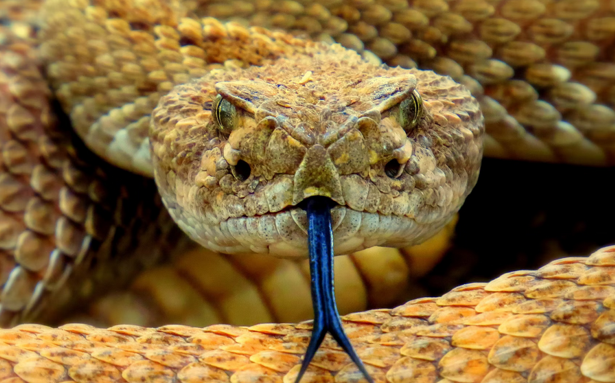
From "super-ticks" in the Choctaw Nation to invasive black carp in our waterways, here is what is on the move in Oklahoma right now.
1. The 2026 Tick Surge: New Pathogens Identified
On April 14, 2026, the Choctaw Nation Public Health Department released an urgent update to its 2026 Tick Guide. Following an extensive two-year collection study with OSU and the CDC, officials have identified a significant increase in tick-borne disease risks across southeastern Oklahoma.
- New Discovery: A pathogen never before detected on the reservation—Panola Mountain Ehrlichia—was officially identified in Pushmataha County this month.
- The Lone Star Threat: The Lone Star Tick remains the most aggressive species active right now. It is the primary vector for Alpha-Gal Syndrome (AGS), the red meat allergy, which is currently being reported at higher rates in Oklahoma than the national average.
- Nymph Alert: In April, you are looking for "poppy seed" sized nymphs. They are extremely difficult to spot but carry a high risk of transmitting Heartland and Bourbon viruses.
- Action: Use EPA-approved repellents and perform a "tick check" every night. The state is currently asking residents and veterinarians to submit ticks for free pathogen testing to help track the spread of 2026.
2. Aquatic Alert: Invasive Black Carp Confirmed
On March 17, 2026, the ODWC officially confirmed the first-ever report of Invasive Black Carp in Oklahoma waters.
- The Danger: Unlike other invasive carp, Black Carp feed primarily on native mussels and snails, many of which are already endangered. Their presence threatens the entire ecological balance of Oklahoma's river systems.
- Action: If you catch a fish you suspect is a Black Carp, do not release it. Take a high-quality photo, record the location, and contact the ODWC immediately.
3. Venomous Snakes: The "Daytime" Emergence
As temperatures stabilize in the 70s and 80s this April, Oklahoma's seven venomous snake species are fully active. Because the nights are still relatively cool, snakes are currently most active during the day.
- The Copperhead: These are the most common venomous snakes encountered in Oklahoma gardens. They are experts at blending into dead leaves and mulch.
- The "Ground Rattler": Be on the lookout for the Western Pygmy Rattlesnake. It is small (15–20 inches) and has a rattle that sounds like a faint insect buzz, making it very easy to step on accidentally.
- Western Diamondback: As the largest venomous snake in the state, they are currently moving from rocky outcrops and bluffs into flatter hunting grounds.
- Safety Tip: Most bites occur when a person tries to move or kill the snake. Give them at least 5 feet of space; they will typically move along if left alone.
4. Agricultural Alert: The "Wheat Trio."
The April 7, 2026, Oklahoma Wheat Crop Update highlights a triple-threat for farmers in Central and North Central Oklahoma.
- Aphids and Greenbugs: These are currently active in Central Oklahoma and are the primary spreaders of the Barley Yellow Dwarf Virus.
- Brown Wheat Mites: Feeding by these mites is currently causing "moisture stress" symptoms in fields.
- The Warning: Because drought stress and virus symptoms look nearly identical, the ODAFF is urging farmers to "scout before you spray." Once the virus is in the plant, it stays for the season, so early intervention against the bugs is the only defense.
5. "Cattail" Mosquitoes: The Mid-April Launch
As of April 13, 2026, state mosquito control districts have officially launched their aerial treatment programs using helicopters and drones.
- The Forecast: 2026 is trending as a high-volume year for Cattail Mosquitoes. These mosquitoes overwinter as larvae in the mud and emerge in massive, aggressive broods.
- Prevention: While the state handles large-scale treatments, residents are urged to tip over standing water in gutters and birdbaths every 5 days to kill larvae before the biting adults emerge later this month.
Summary Checklist for Oklahoma Residents
- Tick Protection: Treat your outdoor gear with permethrin; the Lone Star Tick is exceptionally active this April.
- Turkey Season Safety: As the regular spring turkey season runs through May 16, hunters are reminded to perform thorough tick checks after every outing.
- Pesticide Disposal: If you have unwanted chemicals, the ODAFF is holding free disposal events on April 28 (Sallisaw), April 29 (Chandler), and April 30 (Cheyenne).
- Snake Awareness: When gardening or hiking, wear closed-toe shoes and use a stick to move leaf litter before reaching into garden beds.
Have you spotted any of these "critters" while out scouting for turkey or working in the garden? Stay safe, Oklahoma!
