


 UTAH STATE - Summer 2026 brings unseasonably warm, dry conditions to the Beehive State. Utah's diverse geography—from the Wasatch Front to the red rock canyons—is seeing a major shift in wildlife patterns. The Utah Division of Wildlife Resources (DWR) and the Department of Agriculture and Food (UDAF) have issued several high-priority alerts this month.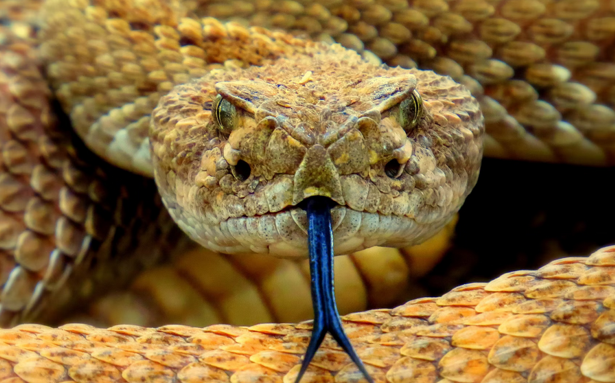
From "thirsty" bears wandering into suburban areas to the mandatory decontamination of watercraft, here is what is on the move in Utah right now.
1. Drought-Driven Bear Encounters
On April 17, 2026, the Utah DWR issued a statewide warning regarding an expected increase in bear-human conflicts. Due to ongoing drought conditions, the natural food supply for black bears—specifically roots and berries—has been significantly reduced.
- The Threat: Hungry bears are currently leaving their dens and moving toward residential areas and popular campsites in search of food. They have an incredible sense of smell and are being lured by trash, bird feeders, and barbecue grills.
- The Danger: A bear that finds food at a campsite or home can become aggressive toward humans and pets it perceives as threats to that food source.
- Action Plan: Take down bird feeders immediately and secure all trash in bear-resistant containers. If you encounter a bear, stand your ground and back away slowly; never run, as black bears can reach speeds of 35 mph.
2. Quagga Mussels: Mandatory Boater Requirements
As temperatures rise and boating season begins (officially hitting high gear this week, April 21, 2026), Utah officials are enforcing strict requirements to stop the spread of aquatic invasive species, primarily Quagga Mussels and Eurasian Watermilfoil.
- The Rule: Under state law, anyone launching a watercraft in Utah—including motorized boats, kayaks, and paddleboards—must complete an annual Mussel-Aware Boater Education Course.
- The Fees: Utah residents must pay a $20 annual enrollment fee, while nonresidents must pay $25. These funds are currently supporting the installation of new "dip tanks" to decontaminate boats efficiently.
- Action: If you are visiting Lake Powell (currently Utah's only confirmed infested waterbody), you must have a mandatory exit inspection and professional decontamination before launching anywhere else.
3. Rattlesnake Emergence: "The Ridge" Warning
As of mid-April 2026, rattlesnakes are officially emerging from their winter dens across Utah's foothills and dry canyons. Wildlife officials released a specific advisory on March 17, 2026, urging dog owners to consider rattlesnake aversion training before the summer peak.
- Identification: The Great Basin Rattlesnake is the most common species encountered along the Wasatch Front. They are often found on rocky benches and trails between 4,000 and 7,000 feet.
- Current Behavior: In April, snakes are primarily active during the warmest parts of the day. They are often found basking in the sun near trail edges or seeking shelter in residential garages and sheds.
- Safety Tip: It is illegal to harass or kill a rattlesnake in Utah. If you hear the rattle, stay at least 10 feet away. The snake will stop being defensive once you have created enough distance.
4. Avian Health and Backyard Poultry
The UDAF and USU Extension issued a joint alert on April 16, 2026, regarding the rise of common backyard poultry diseases as residents begin their spring flock preparations.
- The Threat: With the increase in "urban homesteading" across Utah, diseases like Bumblefoot, Coccidiosis, and various viral infections are spreading more rapidly.
- Prevention: Ensure proper housing ventilation and keep feeding areas dry. Biosecurity is critical this month; avoid visiting other poultry owners' properties to prevent "hitchhiking" pathogens from reaching your flock.
5. Tick and Mosquito "Jumpstart."
Following a "rollercoaster" spring with sudden warm spikes, Utah is seeing an early emergence of biting insects.
- Tick Surge: Deer ticks have been active in the brush since early March. In April, the primary concern is the nymph stage, which is the size of a poppy seed and carries a higher risk of transmitting Lyme disease because it is so difficult to detect.
- Mosquito Management: Aerial larvicide treatments via drone and helicopter are scheduled to begin this week across Utah's marshlands to knock down populations before the mid-summer surge.
Checklist for Utah Residents
- Secure Your Trash: Help prevent bear habituation by keeping garbage inside until the morning of pickup.
- Take the Course: Before you launch your kayak or boat, ensure you have your 2026 "Mussel-Aware" decal.
- Snake Safety: Always wear shoes when walking through tall grass and check your garage for "slithering" visitors before moving storage bins.
- Stay Informed: Follow the "STD of the Sea" (quagga mussel) website for the most up-to-date map of decontamination stations.
