


 CALIFORNIA STATE - The retail landscape in the Golden State is undergoing a massive "portfolio reset" this April.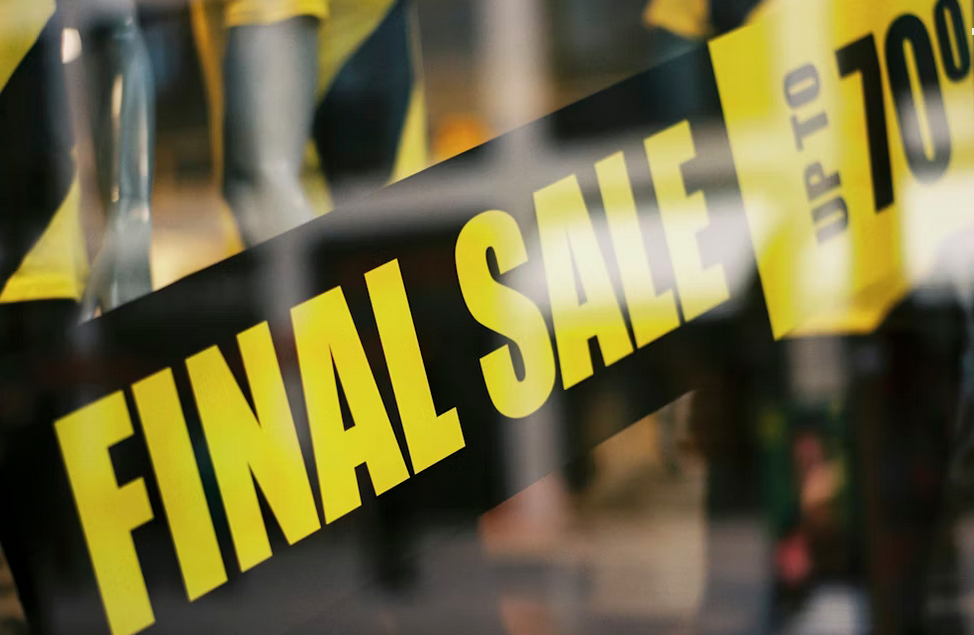
Here are the 5 major retail chains scaling back or closing their doors in California this April.
1. Eddie Bauer: The Total Brick-and-Mortar Exit
In one of the most surprising retail stories of 2026, the legendary outdoor apparel giant Eddie Bauer is officially concluding its physical retail presence. After a total-fleet bankruptcy filing earlier this spring, the company is shuttering every one of its physical stores to move to a digital-only model.
-
The California Impact: This hits high-traffic locations across the state, including storefronts in San Francisco (Post Street), Santa Monica, and multiple locations in San Diego and Orange County. * The End of an Era: Final "everything must go" sales are reaching their conclusion this month. For California hikers and outdoor enthusiasts, the "try-it-on" experience for this legacy brand is coming to a permanent end on April 30.
2. Big Lots: The Final Liquidation
After years of financial turbulence and a late-2024 bankruptcy filing that failed to secure a long-term buyer for the California market, the final remnants of Big Lots are disappearing from the state map this April.
-
The Status: Remaining liquidation sales are reaching their conclusion in markets like Sacramento, Fresno, Riverside, and Anaheim. * The Fallout: For many Californians, this was a primary destination for affordable furniture and extreme-discount home goods. By the end of this month, the familiar orange-and-black signs will be a thing of the past across the state as the company completes its total exit from the West Coast.
3. Walgreens: The Pharmacy Optimization
Walgreens is moving into the final stages of its multi-year "optimization program," with another wave of California closures reaching their final days this April. The chain is shuttering approximately 1,200 stores nationwide to combat declining reimbursement rates and persistent labor shortages.
- The Local Impact: Closures have heavily targeted older urban locations in Los Angeles and Oakland, where high operational costs and lease expirations have made small-format stores unprofitable.
- The Strategy: The company is shifting resources toward high-volume digital fulfillment and larger "primary care" healthcare hubs located in more densely populated, newer developments.
4. Macy’s: The "Bold New Chapter" Retreat
Macy’s is moving forward with its plan to shutter 150 underperforming stores by the end of 2026. This April marks a major milestone as the first wave of 2026 clearance sales reaches its conclusion in several California regional malls.
- Targeted Locations: While the brand is keeping its flagship "Reimagine" stores in major hubs like Union Square, underproductive units in secondary markets—including those in the Inland Empire and Northern California suburbs—are reaching their final days.
- The Shift: The company is pivoting toward smaller, boutique-style formats (Macy’s Bloomie’s) and its luxury segments, which have shown stronger growth in the current 2026 economy.
5. Foot Locker: The "Power Store" Pivot
Following a massive "portfolio optimization" announced late last year, Foot Locker is closing hundreds of underperforming, mall-based stores this spring.
- The Local Impact: California malls are seeing a significant wave of closures this month, specifically affecting older Foot Locker and Champs Sports banners that have seen a decline in foot traffic.
- The Strategy: The brand is shifting away from traditional mall-based sneaker shops in favor of larger "Power Stores"—massive, standalone interactive experiences that offer exclusive brand partnerships and community events.
Why Is This Happening in California?
California presents a unique challenge for major retailers in 2026. While consumer spending remains high, several factors are accelerating these exits:
- The Insurance Squeeze: Commercial insurance premiums for retail spaces in California have risen by nearly 25% since 2024, making it difficult for low-margin discount retailers (like Big Lots) to remain profitable.
- The Rise of "Micro-Fulfillment": Retailers are realizing that massive, centralized storefronts are less efficient than smaller, automated hubs. Many brands are choosing to service California’s population through high-speed delivery from regional warehouses rather than maintaining high-rent real estate.
- Real Estate Reimagining: In high-growth areas like San Jose and San Diego, the land beneath these older retail centers is often worth more as high-density residential units or tech campuses than it is as traditional retail space.
What’s Replacing Them?
It isn't all "Going Out of Business" signs. As legacy brands retreat, California’s retail scene is being reshaped by:
- Med-Tail (Medical Retail): Vacated department stores and pharmacy spots are being quickly eyed by urgent care centers, dental groups, and wellness clinics that thrive on the same foot traffic patterns as retail.
- Luxury Consolidation: While mid-tier brands are exiting, luxury hubs in places like Newport Beach and Beverly Hills are expanding, proving that the 2026 economy is heavily favoring the high-end consumer.
Note: Many of these closures are location-specific. It is always best to check the official store app or local listings before heading out to use any remaining gift cards or rewards points.
 Note: Many of these closures are location-specific. It is always best to check the official store app or local listings before heading out to use any remaining gift cards or rewards points.