


From scorpions appearing in high-rise apartments to a rare, headline-grabbing jaguar sighting in the south, Arizona’s residents are being forced to share their space with some of the continent's most formidable creatures. Here are the five most dangerous animals you need to watch for in the Grand Canyon State this year.
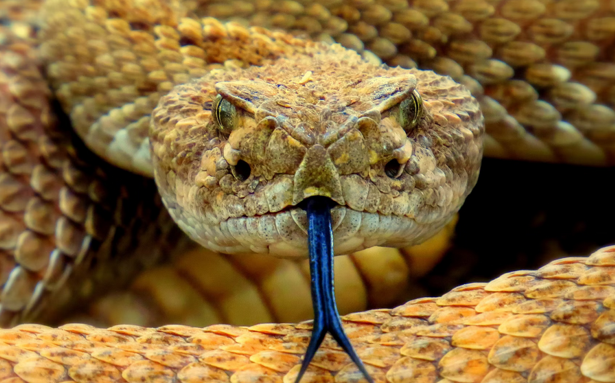
1. The Western Diamondback Rattlesnake
Arizona is home to 13 species of rattlesnakes—more than any other state—but the Western Diamondback is the undisputed king of conflict. In early 2026, "rattlesnake season" has effectively become year-round in the Valley due to warming winter lows.
- The 2026 Behavior: Exterminators in Phoenix and Tucson are reporting a "brazen" trend of rattlesnakes nesting in artificial turf and near pool pumps to seek moisture. These snakes are increasingly found in highly manicured suburban yards, no longer staying confined to the desert fringes.
- The Danger: They are responsible for the majority of venomous bites in the state. Their hemotoxic venom causes rapid tissue destruction and internal bleeding.
- Safety Tip: If you hear the rattle, stop. Do not move until you have located the snake. Western Diamondbacks are defensive, not aggressive, and will typically let you pass if you give them a five-foot buffer.
2. The Arizona Bark Scorpion
While Arizona has over 30 scorpion species, the Bark Scorpion is the only one in North America with venom considered potentially life-threatening.
- The "Vertical" Threat: Unlike other scorpions that hide under rocks, Bark Scorpions are expert climbers. In 2026, residents are reporting them in "brazen" locations—hanging from ceiling fans, inside dresser drawers, and even in the upper floors of Phoenix office buildings.
- The Danger: Their neurotoxic venom causes extreme pain, numbness, and, in severe cases, respiratory distress. This is particularly dangerous for small children and the elderly.
- Safety Tip: Use a UV (blacklight) flashlight to inspect your home and yard at night; Bark Scorpions glow a bright neon blue under the light. Shake out all shoes and bedding before use.
3. The Mountain Lion (Cougar)
The "ghosts of the desert" are becoming much more visible in 2026. Following a series of sightings near hiking trails in Camelback Mountain and the Catalina Foothills, the state has issued a "predator awareness" advisory for suburban hikers.
- The 2026 Context: Biologists believe that the extreme 2025 drought has pushed mountain lions into lower elevations to follow prey like javelinas and mule deer. These cats are now being documented on residential doorbell cameras in broad daylight.
- The Danger: As 150-pound apex predators, they are capable of incredible bursts of speed and power. They often track prey from above, making them a "silent" threat on rocky trail switchbacks.
- Safety Tip: Avoid hiking alone at dawn or dusk. If you encounter a mountain lion, stand your ground and act "brazen"—shout, wave your arms, and throw rocks. Never turn your back or run, as this can trigger a chase.
4. Africanized "Killer" Bees
Often overlooked until it’s too late, Africanized honey bees are a significant public health threat in Arizona. Since their arrival, they have established themselves in nearly every corner of the state.
- The "Swarm" Mentality: These bees are indistinguishable from European honey bees by sight, but their behavior is far more aggressive. They are easily provoked by vibrations (like a lawnmower or a barking dog) and will chase victims for up to a quarter-mile.
- The Danger: While a single sting is no worse than a standard bee, Africanized bees attack in massive numbers. A person can receive hundreds or thousands of stings in a single encounter, leading to toxic shock.
- Safety Tip: If you are attacked by bees, run in a straight line until you can reach shelter (like a car or house). Cover your face and head with your shirt or jacket while running. Do not jump into a pool, as the bees will simply wait for you to surface for air.
5. The Gila Monster
The Gila Monster is a living relic of the prehistoric desert. While sightings are rare, they are highly memorable—and dangerous if mishandled.
- The 2026 Alert: As hikers push further into the "backcountry" of the Superstition Mountains, Gila Monster encounters are on the rise. In late 2025, researchers also confirmed the presence of a newly spotted Jaguar in Southern Arizona, the 5th in 15 years, signaling that Arizona's largest predators are reclaiming their territory.
- The Danger: The Gila Monster is one of only two venomous lizards in the world. They have a "bulldog" bite, latching on with powerful jaws and chewing venom into the wound. The pain is described as "molten lava" moving through the veins.
- Safety Tip: Gila Monsters are slow-moving and generally non-aggressive. They only bite when provoked or handled. If you see one, give it space and appreciate the rare opportunity to see this protected species in the wild.
Sharing the Sonoran
A rizona's 2026 landscape is one of high-stakes coexistence. As the desert heats up and cities expand, the "brazen" behavior of our wild neighbors is simply their way of adapting to a changing world. Whether you are golfing in Scottsdale or backpacking the Arizona Trail, staying "wildlife-aware" is the only way to safely enjoy the rugged beauty of the Southwest.
