


 Following a surge in high-profile encounters from Mapleton to Millcreek Canyon this month, state wildlife officials are urging hikers and homeowners to stay alert. Here are the five most dangerous animals you need to watch for in Utah this year.
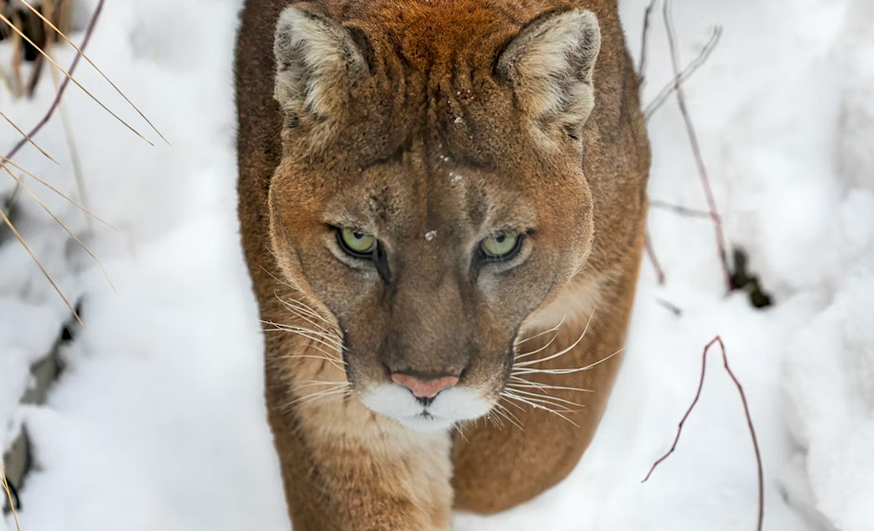
1. The Mountain Lion (Cougar)
Utah’s cougar population is at the center of a national debate in 2026. Following a legislative shift in 2023 that allowed for year-round hunting, the state has recently launched a "brazen" 2026 Cougar Removal Plan—a multi-year experiment aimed at thinning predator numbers in six specific units to protect declining deer herds.
- The 2026 Context: Despite the lethal management programs, sightings in residential areas are spiking. In early January 2026, multiple cougars, including a mother and cub, were documented just feet from backyards in Mapleton. Experts warn that hunting pressure in the mountains can sometimes push younger, transient cats closer to urban fringes.
- The Danger: As ambush predators capable of 40-mph bursts, cougars are nearly undetectable until they strike. They possess a bite force of over 400 PSI and view small pets—and occasionally children—as potential prey.
- Safety Tip: If you encounter a cougar, stand your ground and make yourself look large. Raise your arms, speak in a loud, firm voice, and never run, which triggers their predatory chase instinct.
2. The Shiras Moose
While predators like bears and lions get the headlines, the moose is statistically the most dangerous large animal in Utah. With a population of roughly 3,000, they are becoming "brazenly" comfortable in northern Utah suburbs.
- The Winter Hazard: As of January 2026, deep snow in the high country is pushing moose into the valleys for food. In the last week, wildlife officials have had to relocate multiple moose from Park City’s Main Street and residential areas along the Wasatch Front.
- The Danger: A 1,000-pound moose is famously unpredictable and far more likely to charge a human than a bear. They are particularly aggressive toward dogs, which they perceive as wolves.
- Safety Tip: Give moose at least 50 feet of space. If their ears go back or the hair on their hump stands up, they are preparing to charge. If charged, get behind a solid object like a tree or a car immediately.
3. The American Black Bear
The only bear species currently in Utah, black bears are a constant threat in the state’s canyons and foothills. In 2026, the Utah Division of Wildlife Resources (DWR) has streamlined management by combining bear and cougar guidebooks into a single digital resource to help residents track population stability.
- The Habituation Threat: While bears should be hibernating, "trash-fed" bears in areas like Pinebrook and Southern Utah are staying active later into the winter. A bear that has learned to associate hikers’ backpacks or residential bins with food is a "brazen" threat that will not easily be deterred.
- The Danger: While generally shy, a hungry or surprised black bear can be incredibly aggressive. They are expert climbers, so escaping up a tree is not a viable safety strategy.
- Safety Tip: "Bear-proof" your property by securing all trash and removing bird feeders. When hiking, make noise to avoid surprising a bear, especially in dense brush.
4. The Great Basin & Mojave Green Rattlesnake
Utah is home to several rattlesnake species, but the Great Basin (statewide) and the Mojave Green (Southwest Utah) are the most significant threats to hikers.
- 2026 Regulation Alert: Rattlesnakes are protected under Utah law; harassing or killing one is a class B misdemeanor. However, as 2026 winter fluctuations wake snakes from "brumation" early in rocky, sun-exposed areas, encounters are already being reported.
- The "Mojave Green" Factor: Found near St. George, the Mojave Green possesses a potent neurotoxic venom that is far more lethal than the standard hemotoxic venom of other vipers.
- Safety Tip: If you hear a rattle, freeze. Locate the snake, then back away slowly. Always wear boots and use trekking poles when navigating rocky trails like Rattlesnake Gulch.
5. The "Desert Duo": Gila Monsters and Bark Scorpions
In the red rock deserts of Southern Utah, particularly Kane and Washington counties, the danger often comes in smaller, more colorful packages.
- The Arizona Bark Scorpion: This is the most venomous scorpion in North America and an expert climber. In early 2026, pest control experts in St. George are reporting higher numbers of scorpions seeking warmth inside homes.
- The Gila Monster: Identifiable by its black and orange "beaded" scales, this venomous lizard is a rare but "brazen" presence on Southern Utah trails.
- The Danger: A Bark Scorpion sting can cause temporary paralysis and intense pain. A Gila Monster has a "bulldog" bite, latching on and chewing venom into the wound.
- Safety Tip: Use a UV blacklight to check for scorpions in your yard at night. If you see a Gila Monster, admire it from a distance; they are protected by law and only bite when provoked.
Coexisting with the Utah Wild
Utah’s 2026 landscape is one where nature and urban growth are in constant contact. Whether you are skiing the Wasatch or mountain biking in Moab, the "brazen" behavior of the state’s wild residents is a reminder of our responsibility as co-inhabitants. By respecting the new digital guidebooks, securing attractants, and staying "wildlife-aware," we can enjoy the best of
