


 NEW MEXICO - As the "Land of Enchantment" enters the New Year, wildlife officials are issuing a heightened alert for residents in the high desert and mountain foothills. The New Mexico Department of Game and Fish (NMDGF) has reported a significant surge in brazen predator activity, particularly in the urban-wildland interfaces of Santa Fe, Albuquerque, and Los Alamos.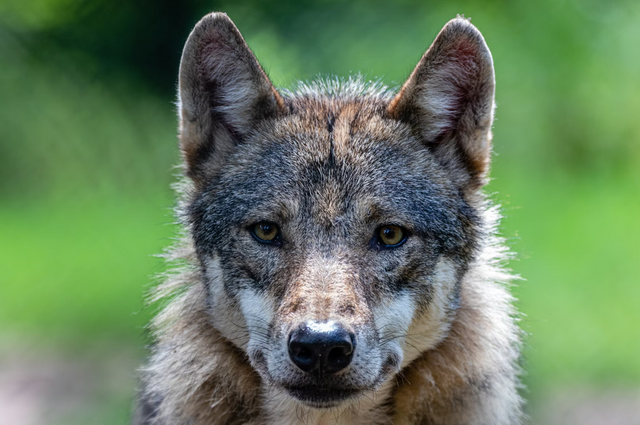
 While New Mexicans are no strangers to coyotes and bobcats, the winter of 2025-2026 has seen a disturbing shift in the behavior of the State most formidable hunters: the Mountain Lion (Cougar) and the Black Bear.
1. The "Shadow" of the Foothills: Bold Cougars
In late 2025, cougar sightings in residential areas reached a ten-year high. Traditionally elusive "ghosts of the Rockies," these predators are increasingly being caught on home security cameras in the Sandia Heights and Tijeras areas, often within feet of front doors.
- The Daytime Shift: Residents in Los Alamos County have reported cougars stalking deer through suburban backyards in broad daylight—a behavior officials describe as "abnormally bold."
- The "Brazen" Incident: In December 2025, a mountain lion was filmed in a Santa Fe subdivision refusing to retreat even when residents shouted and banged pots from a balcony, standing its ground for several minutes before slowly sauntering away.
- Winter Hunger: Officials note that cougars are most active in the cooler months, driven by an instinct to follow mule deer herds that move into lower-elevation residential valleys in search of forage.
2. The "Insomniac" Black Bears
While black bears typically enter a state of torpor (a deep winter sleep) by January, unseasonably mild temperatures in late 2025 have kept many of New Mexico's bears active far longer than usual.
- Porch Raids: In Raton and the Red River area, "insomniac" bears have been spotted investigating outdoor kitchens and even attempting to enter garages to access stored birdseed and pet food.
- The "Reward" Cycle: Once a bear finds a "food reward" in a backyard, it loses its natural wariness of humans. This has led to reports of bears in Albuquerque's North Valley wandering through open gates and showing little fear of barking dogs.
3. The Urban Coyote "Pack" Alert
Coyotes are permanent fixtures in New Mexico, but in early 2026, they are exhibiting pack behaviors that are concerning local authorities. In the Rio Rancho and Las Cruces areas, coyotes have been seen "escorting" residents during evening dog walks—a move designed to haze humans away from what the pack perceives as its territory.
4. How to Protect Your Property
To keep these predators wild and your family safe, the NMDGF recommends several immediate "predator-proofing" steps:
- The "Dusk-to-Dawn" Rule: Cougars are most active from dusk to dawn. Keep children and pets indoors during these hours. If you must be outside, stay in well-lit areas and make plenty of noise.
- Eliminate Hiding Cover: Trim low-hanging branches and thick brush around your home's perimeter. Predators like cougars and bobcats rely on ambush cover; taking away their hiding spots makes your yard much less attractive.
- Secure the Trash: Use bear-resistant trash cans and do not put them at the curb until the morning of pickup. Clean your bins periodically with ammonia or bleach to kill food odors.
- Close Off Crawl Spaces: Check for openings under porches or decks. A "brazen" cougar or bear looking for a winter den will view these as prime real estate.
What to Do During an Encounter
If you come face-to-face with a predator in your yard, do not run. Running triggers a chase instinct that you cannot outrun.
- For Cougars: Make yourself look as large as possible. Open your jacket, wave your arms, and speak firmly in a loud, deep voice. If the animal behaves aggressively, throw rocks or sticks. If attacked, fight back with everything you have.
- For Bears: Back away slowly while facing the bear. Please give it a clear escape route so it doesn't feel trapped. Do not make direct eye contact, as the bear may perceive it as a challenge.
- For Coyotes: Practice "Hazing." Be big, bold, and loud. Shout, blow a whistle, or use a "shaker can" (a soda can filled with pebbles) to startle them.
