


 WASHINGTON - As Washington residents usher in the new year, state wildlife officials are issuing a stark warning regarding an increase in "brazen" predator activity in residential neighborhoods. The Washington Department of Fish and Wildlife (WDFW) has noted a significant shift in behavior among the state's apex predators—specifically cougars and black bears—which are increasingly being spotted during daylight hours and showing little fear of human presence.
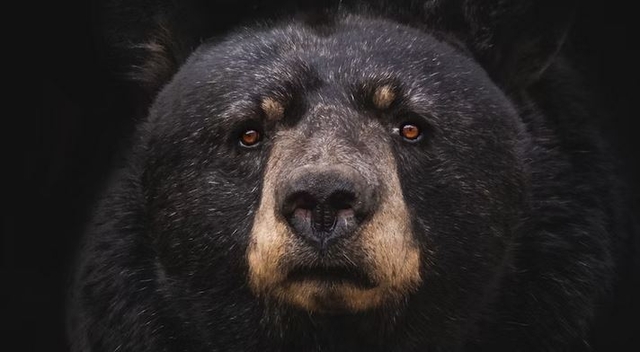
From the wooded suburbs of the Eastside to the rugged coastal communities of Whatcom County, these predators are moving from the deep wilderness directly into the manicured backyards of Washington families.
1. The "Ghost" Returns to the Suburbs: Cougar Alerts
The most alarming reports in late 2025 and into the first days of 2026 have centered on cougar sightings in high-traffic residential zones. Traditionally elusive, these "ghost cats" are becoming dangerously visible.
- The Mercer Island Presence: In late 2025, multiple sightings on Mercer Island prompted police and WDFW officers to launch a joint monitoring effort. Residents reported a large cougar roaming through backyards near Island Crest Way, appearing unbothered by home security lights or barking dogs.
- The San Juan Incident: On San Juan Island, unverified but highly credible sightings of a cougar near Roche Harbor caused a community-wide alert. While cougars are native to the state, their presence on the islands often involves them swimming from the mainland, leading to "trapped" and increasingly desperate behavior in suburban areas.
- The Danger Level: Officials reminded the public of previous high-profile encounters in which cougars targeted mountain bikers and hikers, emphasizing that their fear of human interaction is notably declining in these areas.
2. The Larrabee Bobcat Mother
In Whatcom County, the warning focuses on a different but equally protective predator. Officials at Larrabee State Park recently issued an urgent safety reminder after a bobcat mother and her kittens were spotted repeatedly on popular hiking trails and near the park's edge.
-
The "Brazen" Defense: Unlike solitary bobcats that typically flee, this mother has stood her ground against hikers and leashed pets. Officials warn that wild animals behave unpredictably when protecting their young and that the cats' usual shyness has vanished, replaced by territorial defense.
3. Black Bears: The "Winter Insomniacs."
While many black bears should be in a state of torpor (deep winter sleep) by January, unseasonably mild temperatures in the Pacific Northwest have kept several "insomniac" bears active.
- Backyard Foraging: In the Sumas and Everson areas, bears have been spotted investigating backyard chicken coops and bird feeders during the day.
- The Habituation Cycle: WDFW notes that the vast majority of conflict calls result from human attractants. Once a bear identifies a backyard as a "food court," it loses its fear of humans, creating a permanent safety hazard for the neighborhood.
4. Why Are They So Bold?
Biologists attribute this "brazen" shift to two primary factors: Habitat Fragmentation and Food Conditioning.
As development pushes further into the "greenbelts" of the Cascades, the buffer zone between wildlife and humans is disappearing. Simultaneously, predators that successfully find "easy meals"—such as a house cat, a bowl of pet kibble, or an unwashed barbecue grill—quickly learn that humans are associated with food, not danger.
5. How to Protect Your Home and Pets
WDFW urges all Washingtonians to follow these immediate safety protocols:
- The "Short Leash" Rule: Never let pets outside unattended, even in a fenced yard, if you live near a greenbelt or wooded area. When walking, keep dogs on a non-retractable leash.
- Lockdown Attractants: Bring bird feeders in at night. Secure trash cans in a garage or shed until the morning of pickup.
- The "Outdoor Kitchen" Scrub: If you have an outdoor grill or kitchen, ensure it is scoured clean of grease, which acts as a powerful beacon for hungry predators.
- Clear the Sightlines: Trim back thick brush and blackberry brambles near your home to eliminate the "ambush cover" cougars use to watch backyards.
Coexisting with Caution
 The increasing visibility of Washington's apex predators is a reminder of the delicate balance between urban expansion and the wild. As we move into 2026, "brazen" behavior in our backyards is becoming the new normal for many communities. By remaining vigilant, securing attractants, and respecting these animals' territorial instincts, residents can reduce the risk of dangerous encounters. The goal is not to live in fear, but to live with the awareness that we share our landscape with mighty, intelligent hunters who are adapting to our presence just as we must adapt to theirs.