


 NORTH DAKOTA STATE - North Dakota is facing a critical spring for wildlife management. While a "rollercoaster" of temperatures has kept residents on their toes, several major biological threats—including a rare urban bear sighting and a major expansion of the Emerald Ash Borer quarantine—are making headlines this month.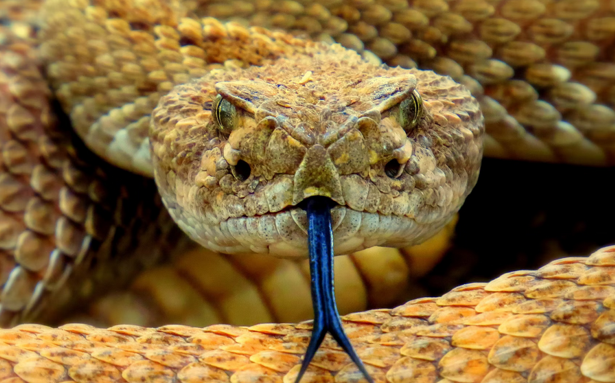
From the Red River Valley to the Missouri River bluffs, here is what is on the move right now.
1. Black Bear Alert: North Fargo Sightings
In a high-priority advisory issued on April 9, 2026, Fargo Police and North Dakota Game and Fish (NDGF) urged residents to use extreme caution following a black bear sighting in North Fargo.
- The Incident: The bear was tracked in the area between 19th Avenue N. and 40th Avenue N., specifically along the river corridor.
- The Danger: While black bears are not resident in the Fargo area, young males often wander along river systems this month looking for territory. These "transient" bears are hungry after hibernation and are easily stressed by human presence.
- Action Plan: Police are asking residents to keep children and small pets indoors and to remove bird feeders immediately. Do not attempt to locate or approach the animal; the goal is to give the bear enough space to move through town and leave on its own.
2. Emerald Ash Borer: Cass County Quarantine
On January 27, 2026, the North Dakota Department of Agriculture officially confirmed that the Emerald Ash Borer (EAB) had been detected within the city limits of Fargo. This is the second confirmed detection in the state, following LaMoure County in 2024.
- The Quarantine: A strict quarantine is now in effect for all of Cass County. This prohibits the movement of "regulated commodities," including all hardwood firewood, ash logs, and ash nursery stock.
- The Threat: North Dakota has over 90 million ash trees. In cities like Fargo, ash trees make up between 20% and 80% of the street canopy. Without treatment, infested trees typically die within a few years.
- Action: "Buy It Where You Burn It." Moving firewood is the fastest way for this beetle to hitch a ride to uninfested western counties. If you have ash trees in Fargo, the Park District is currently executing a 5-year mitigation plan; consult a certified arborist if you wish to treat private trees.
3. Aquatic Invasive Species (AIS): "Clean, Drain, Dry."
As of April 2026, NDGF has officially ramped up its AIS inspection and education campaign for the spring fishing season.
- The Risk: Zebra mussels and other aquatic invaders are a permanent threat to North Dakota's irrigation and hydroelectric infrastructure.
- The Rule: All watercraft—including kayaks and paddleboards—must be "Clean, Drain, and Dry" after every use. You must pull all drain plugs and ensure no water is transported away from the boat ramp.
- Special Note: If you are visiting from out-of-state (especially from mussel-infested waters in MN or SD), your boat is subject to mandatory inspection before launching in any North Dakota waterway.
4. Rattlesnakes: The "Garage and Trail" Discovery
As of mid-April 2026, Prairie Rattlesnakes are officially active in western North Dakota. While some social media reports claim an "early emergence," biologists confirm the timing is exactly on schedule for the current warm-day/cool-night cycle.
- The Behavior: Because the nights are still cold, snakes are seeking "thermal sinks." This month, they are frequently discovered in garages, sheds, and crawl spaces where they have been overwintering.
- The Active Phase: Encounters on trails are currently likely to be active males making wide circles around their dens in search of initial meals. These snakes are often more "quick to rattle" when surprised in the open.
- Safety Tip: Before reaching into a dark corner of your shed or moving a storage bin this spring, use a flashlight and a long stick to check for "coiled" guests.
5. Ticks and "Anopheles" Mosquitoes
Despite a cooler start to April 2026 compared to last year, the biting insect season has officially begun.
- Tick Surge: The first deer tick of the year was recorded in the region on March 9th.
- The Nymph Warning: Experts warn that nymphal ticks—the size of a poppy seed—will peak in May and June but are already emerging now. They carry a higher prevalence of Lyme disease this year because larval activity pushed much later into last fall.
- The First Mosquitoes: The mosquitoes currently biting on warm days are likely from the Anopheles family, which overwinters as adults. The main "floodwater" mosquito population is still several weeks away.
- Action: Perform a full-body scan every night after hiking or gardening. Apply EPA-registered repellents before heading to wooded riverbanks.
Summary Checklist for North Dakota Residents
- Secure Your Trash: Especially in the Fargo area, stop attracting wandering bears to your neighborhood.
- Respect the Quarantine: Do not move firewood out of Cass or LaMoure counties.
- Snake Awareness: Check your garage for "slithering" visitors before starting spring cleaning projects.
- Clean Your Boat: Ensure you pull the plug and dry your craft to keep North Dakota's lakes mussel-free.
