


 WYOMING - As of 2026, the Wyoming Game and Fish Department (WGFD) and the University of Wyoming Extension have issued several high-priority alerts. With unseasonably warm temperatures across the state, "spring emergence" has accelerated, bringing bears out of dens earlier than usual and sparking a new defensive line against agricultural and aquatic invaders.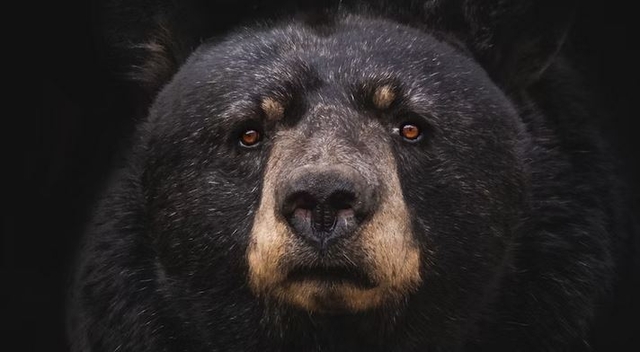
From the Bighorn Basin to the southeastern rangelands, here is what you need to know to stay safe in the Cowboy State this month.
1. Early Bear Emergence: "Warm Weather" Alert
On April 20, 2026, WGFD officials confirmed that higher-than-normal temperatures have triggered an early end to hibernation for many of Wyoming’s black and grizzly bears. While emergence typically stretches into May, sightings are already being reported at lower elevations near Sheridan and the Greater Yellowstone Ecosystem.
- The Conflict: Post-hibernation bears are scavenging for winter-killed carcasses. They are currently highly defensive of these food sources. Surprise encounters are the primary risk for hikers and spring "shed" hunters right now.
- The "Home" Warning: Hungry bears are wandering into residential areas looking for "easy" calories. WGFD urges homeowners to secure all attractants immediately.
- Action: Take down bird feeders. Keep garbage, pet food, and barbecue grills locked in a hard-sided building (not just a porch). If you are hiking, carry bear spray in an accessible holster and make plenty of noise to avoid a surprise encounter.
2. Aquatic Invasive Species (AIS): Mandatory Checkpoints
As of April 2, 2026, WGFD has resumed seasonal operations for AIS check stations across the state. Wyoming remains one of the few places in the country that has not detected invasive zebra or quagga mussels, and the 2026 defense is strictly enforced.
- The Rule: Any watercraft transported into Wyoming between March 1 and November 30 must undergo a mandatory inspection before launching. This includes motorized boats, as well as non-motorized craft like kayaks and canoes (except for some inflatable/paddleboard types).
- The Stations: Border check stations at Evanston (I-80), Anvil Draw (Flaming Gorge), and Cheyenne (I-80) are currently operational.
- Requirement: All boaters must stop when encountering an open AIS station, even if they have been previously inspected. Ensure your boat is "Clean, Drain, Dry" to expedite the process.
3. The Amaranth "Super-Weed" Threat
The University of Wyoming Extension released a major report on April 21, 2026, regarding a growing threat to Wyoming’s agricultural lands: Palmer amaranth and its cousin, waterhemp.
- The Danger: These are "super-weeds" that can grow up to 3 inches per day and quickly develop resistance to multiple herbicides. They can decimate crop yields and, during droughts, can accumulate high levels of nitrates that are poisonous to livestock.
- Current Status: Palmer amaranth was recently documented in the Big Horn Basin, while waterhemp made its first-ever state appearance in a sugar beet field last year.
- Action: Farmers and homeowners are encouraged to bring any "odd-looking pigweed" to their local UW Extension office for identification. Early detection is the only way to prevent these weeds from overtaking local rangelands.
4. Cheatgrass and Rangeland Fire Risks
Following the 2026 Wyoming Legislature's budget session, funding for spraying Cheatgrass remains a top priority. In the lower Green River Basin and near the Flaming Gorge, cheatgrass has already begun its spring growth spurt.
- The Hazard: This invasive grass dries out much earlier than native species, creating a massive "fine fuel" load for wildfires.
- The Impact: It outcompetes the native sagebrush that Wyoming’s mule deer and sage-grouse depend on for survival.
- Prevention: If you are off-roading or hiking, clean your gear and tires to avoid spreading cheatgrass seeds to uninfested areas.
5. Tick Surge and "Poppy Seed" Nymphs
Despite a late-March snowfall, the 2026 tick season is officially underway. The first Deer Tick of the year was recorded on March 9th, and health officials are predicting a higher prevalence of Lyme disease this year.
- The Nymph Alert: In April, you are looking for nymphal ticks—the size of a poppy seed. They are active any time temperatures are above freezing and are currently hiding in the leaf litter and tall grasses of the foothills.
- Action: Use EPA-approved repellents and perform a "tick check" on yourself and your pets every evening. The 2026 season is trending toward a higher-than-average infection rate for tick-borne illnesses.
Checklist for Wyoming Residents
-
Stop for Inspections: Every boat entering the state must be inspected for Quagga/Zebra mussels at an open station.
- Bear-Proof Your Property: Remove bird seed and secure trash to prevent "nuisance" bear behavior.
- Identify the Pigweed: If you see a weed growing aggressively in your field or garden, have it tested for Palmer amaranth.
- Hike Prepared: Carry bear spray and perform a tick check after any trek in the sagebrush or mountains.
