


 WASHINTON STATE - The "Evergreen State" is seeing a significant landscape shift this April. While Washington remains a global hub for retail innovation, the economic pressures of 2026—including a sharp move toward e-commerce and a wave of strategic bankruptcies—are forcing several iconic brands to pull back their physical presence. From the flagship corridors of Seattle and Bellevue to the regional hubs of the Yakima Valley, several household names are finishing their final clearance sales this month.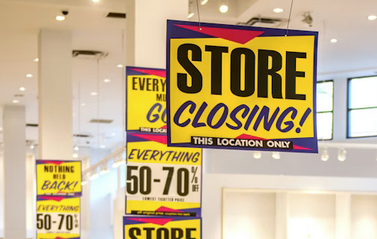
Here are the 5 major retail chains scaling back or closing their doors in Washington this month.
1. Eddie Bauer: The Total Brick-and-Mortar Exit
In a move that carries deep local significance, the Seattle-founded outdoor giant Eddie Bauer is concluding its total physical retail exit this month. After over a century of brick-and-mortar operations starting in 1920, the brand’s North American retail operator is liquidating all physical stores following a February 2026 bankruptcy filing.
- The Washington Impact: This hits 11 locations across the state, including high-traffic spots at University Village, Westfield Southcenter, Alderwood, and the Tacoma Mall.
- The Shift: The company is permanently shuttering its Seattle headquarters on April 30 and transitioning to a digital-only and wholesale model. For Washingtonians who have relied on the brand for over 100 years, the "try-it-on" experience is officially over.
2. Macy’s: The "Bold New Chapter" Consolidation
Macy’s is accelerating its national "Bold New Chapter" strategy this April, which involves closing 150 underperforming stores by the end of 2026. This month marks a major milestone for the chain’s Washington footprint.
- Targeted Locations: Clearance sales are reaching their conclusion for the Tukwila (Southcenter Pkwy) location. Other Washington units on the 2026 "to-close" list include sites at South Hill Mall in Puyallup, the Redmond Furniture Gallery, and Kitsap Mall in Silverdale.
- The Goal: The brand is reinvesting capital into its high-performing "Reimagine" stores while moving away from secondary mall locations that have seen declining foot traffic.
3. Big Lots: The Final Washington Liquidation
After years of financial turbulence and a high-profile bankruptcy, the final remnants of Big Lots are disappearing from the Washington map this April.
- The End of an Era: The state's final six locations—including Tacoma, Vancouver, Kennewick, and Yakima—are finishing their "everything must go" sales this month.
- The Fallout: For many Washingtonians, Big Lots was a primary source for affordable furniture and seasonal home goods. By the end of April, the brand will have no physical presence remaining in the state.
4. Walgreens: The Pharmacy Optimization
Walgreens is moving into the final stages of its multi-year "optimization program," with another wave of Washington closures hitting this April. The chain is shuttering approximately 1,200 stores nationwide to combat declining reimbursement rates and persistent labor shortages.
- The Impact: Washington has been identified as a key state losing stores this spring. Closures are targeting older urban locations where leases are expiring and operational costs have outpaced revenue.
- The Strategy: The company is shifting resources toward high-volume digital fulfillment and larger "primary care" healthcare hubs, which unfortunately leaves some local neighborhoods as "pharmacy deserts."
5. Cascade Farm and Outdoor: The Specialty Retreat
In a move that hits rural and farming communities especially hard, Bi-Mart is closing all of its Cascade Farm and Outdoor locations this spring.
- The Local Context: These specialized hubs provided essential gear for ranching, farming, and outdoor work. The closures mark a significant shift for the employee-owned Bi-Mart as it consolidates its operations.
- The Shift: Management cited the rising cost of maintaining specialized, large-format inventory, opting to fold their efforts back into the core Bi-Mart membership stores.
Why Is This Happening in Washington?
Washington presents a unique challenge for major retailers in 2026:
- The "Seattle-Digital" First Effect: With a population highly comfortable with same-day delivery and mobile ordering, traditional department stores like Macy's and apparel giants like Eddie Bauer are finding it difficult to justify high-rent physical footprints.
- Logistics Consolidation: Retailers are realizing that maintaining massive, centralized storefronts is less efficient than smaller, automated fulfillment hubs located on the outskirts of major metros.
- Real Estate Transformation: In high-growth areas like Bellevue and the South Sound, the land beneath these older retail centers is often worth more as high-density residential units or tech campuses than it is as traditional retail space.
Note: Many of these closures are location-specific. It is always best to check the official store app or local listings before heading out to use any remaining gift cards or rewards points.
