 SOUTH CAROLINA - South Carolina is ushering in 2026 with a series of legislative changes primarily focused on fiscal reform, business liability, and education. As of January 1, 2026, residents and business owners will see a restructured tax code and new protections for the hospitality industry.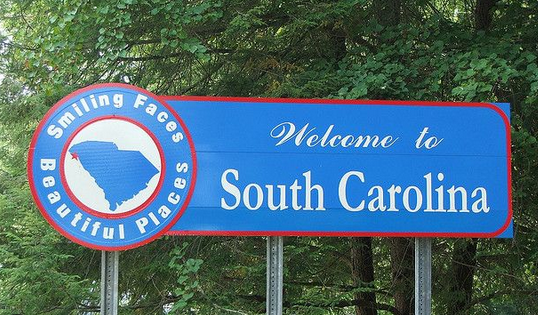
Here are five of the most significant changes taking effect in the Palmetto State this New Year.
1. Individual Income Tax Consolidation (H 4216)
South Carolina continues its multi-year plan to simplify and lower the state income tax. Starting January 1, the state moves toward a more streamlined tax structure with a target top marginal rate of 3.99%.
- The Change: This legislation aims to collapse the State multi-bracket system into a flatter model eventually. For the 2026 tax year, the top rate is reduced to provide relief to a broader range of taxpayers.
- Long-term Goal: The law includes "triggers" that could allow the rate to drop as low as 2.49% in future years, provided State revenue growth remains strong.
2. Largest Unemployment Insurance Tax Cut (UI Reform)
In a significant move for the State economy, Governor Henry McMaster announced that unemployment insurance (UI) tax rates for businesses will decrease or remain the same starting January 1.
- The Impact: This represents the most significant reduction in UI tax costs since 2011, collectively saving South Carolina businesses an estimated $40 million in 2026.
- Who Benefits: Businesses in nearly all tax classes will see lower rates, with some seeing savings of over 30%. This is made possible by a healthy $1.8 billion balance in the State UI Trust Fund.
3. Liquor Liability Reform
New rules governing liquor liability take effect on January 1, providing much-needed relief to bars, restaurants, and the hospitality sector.
- The Reform: Under the new statutes, an establishment found to be only slightly at fault for an incident (such as a crash caused by an overserved patron) will no longer face 100% of the financial liability.
- Liability Cap: The law now caps the business's liability at 50% of the actual damages when responsibility is shared with the impaired driver. While companies must still maintain $1 million in insurance, this change is designed to stabilize rising premium costs.
4. Mandatory Withholding & New SC W-4
The South Carolina Department of Revenue (SCDOR) has officially updated the State Withholding Tax Tables for the 2026 calendar year.
- The Requirement: Starting January 1, all employers and payroll providers in the state must switch to the 2026 tables and the newly released 2026 SC W-4.
- Why it matters: These updates reflect the recent income tax cuts. Employees are encouraged to submit a new W-4 if they have had significant life changes, as the new tables change how much "take-home" pay is reflected in their paychecks.
5. Teacher Minimum Salary Benchmark ($50,000)
Following a multi-year executive push, South Carolina is set to reach a significant education milestone. The State goal to raise the minimum starting teacher salary to $50,000 is slated to be fully implemented for the 2025-2026 cycle.
- Teacher Retention: This benchmark is part of a broader effort to make South Carolina's teacher pay the most competitive in the Southeast.
- State Funding: The 2026 budget cycle includes the necessary appropriations to ensure every school district can meet this new minimum, regardless of local property tax wealth.
Important Privacy Reminder
 While not starting exactly on the 1st, the Law Enforcement and Judicial Personal Privacy Protection Act takes effect on January 26, 2026. This law will allow active and former law enforcement officers and judges to request that their personal contact information be removed from public-facing government websites to enhance their safety.