


 GEORGIA - As Georgia rings in 2026, the Peach State is implementing a series of financial reforms designed to lower the tax burden and protect homeowners from surprise expenses. While several of these updates were signed into law during the 2024 and 2025 legislative sessions, their most significant impact on your bank account will take effect on January 1, 2026.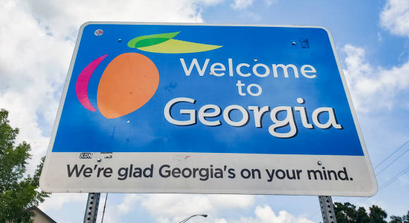
From a steady drop in the state income tax to new ways to save for natural disasters, here are three major laws hitting Georgia's wallets this year.
1. The 5.09% Flat Income Tax Cut
Georgia continues its aggressive multi-year plan to reduce the State personal income tax rate, and the next scheduled drop is officially scheduled for this January.
- The Change: The State flat income tax rate is dropping from 5.19% to 5.09% on January 1.
- The Goal: This is part of a series of annual 0.10% reductions intended to eventually bring the rate down to 4.99% by 2029 (or earlier if specific state revenue triggers are met).
- The Savings: For a typical Georgia family earning $75,000, this latest cut will save roughly $75 to $100 annually. While it may seem small, it is part of a cumulative tax reform that has slashed rates from the previous 5.75% high in just a few short years.
2. Catastrophe Savings Accounts (HB 511)
In response to increasingly frequent severe weather events across the Southeast, Georgia is introducing a new way for residents to save for the "rainy day" they hope never comes.
- Tax-Free Savings: Starting January 1, Georgia taxpayers can open a single Catastrophe Savings Account. Contributions to the account—and any interest earned—are fully deductible from state taxable income.
- The Purpose: The money must be used to pay for expenses resulting from a catastrophic event (like a hurricane, flood, or tornado) that are not covered by insurance. This includes meeting your insurance deductible or repairing damage from wind and hail.
- Contribution Limits: The amount you can put in is tied to your insurance deductible. For example, if your home's deductible is $2,000, you can contribute up to $4,000 tax-free. If you are self-insured, the limit increases significantly.
3. The HVAC Warranty Protection Law (SB 112)
Home repairs are one of the biggest "wallet-killers" for Georgia residents, and a new consumer protection law is stepping in to prevent a common and expensive headache during home sales.
- Automatic Transfer: For HVAC systems sold or installed after January 1, 2026, manufacturer warranties must automatically transfer to the new owner upon a home sale.
- No Registration Required: Manufacturers are now prohibited from requiring the new homeowner to "register" the system or pay a fee to keep the warranty active.
- Financial Impact: Previously, many Georgians would buy a home only to find that the HVAC warranty was void because the previous owner hadn't filed the required paperwork. This law ensures that if the equipment is under warranty, the coverage stays with the house, potentially saving new owners thousands in repair or replacement costs.
Honorable Mention: The 60-Day Insurance Notice
 Homeowners also gain a new layer of financial security this January regarding their insurance policies. Insurers are now required to provide 60 days' notice (up from 30 days) before canceling or refusing to renew a residential property policy. This gives residents double the time to shop for a new rate, preventing them from being forced into "last-minute" expensive coverage.
