 OREGON STATE — For decades, Oregonians associated "giant bears" with the long-extinct California Grizzly or the distant Alaskan Brown. But as we move through the spring of 2026, the data from the Oregon Department of Fish and Wildlife (ODFW) is telling a new, more formidable story: the black bear is undergoing a massive population and size surge across the Pacific Northwest.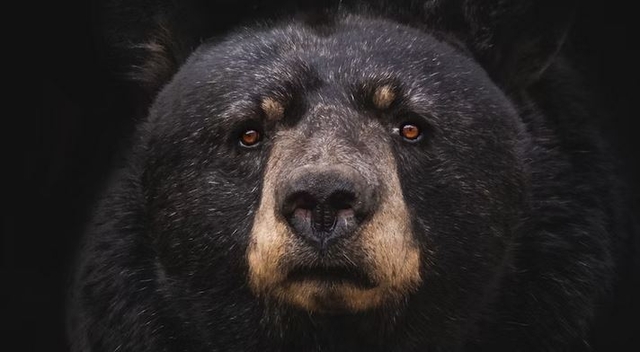
While the state has historically maintained a stable population, 2026 estimates now place the statewide count at over 44,000 individuals. More notably, the "average" bruin is no longer average; hunters and biologists are increasingly encountering 500- and 600-pound boars that are redefining what it means to be a "black" bear in Oregon.
A Success Story in Overdrive
Oregon’s black bear management is being hailed as a "national success story," but that success comes at a heavy price. The population is thriving across every management zone, fueled by several key factors:
- The High-Calorie Coast: In the lush Coast Range, bears are hitting weights rarely seen in the interior. With access to protein-rich salmon runs and high-calorie berry crops that persist through mild winters, a boar in the Alsea or Stott Mountain units can reach massive proportions by age 10.
- Mild Winter Emergence: The winter of 2025–2026 was historically mild, leading to earlier "green up" conditions. Biologists noted bears emerging from dens in late February—nearly six weeks early—giving these animals a significant "head start" on the feeding season.
- Stable Age Classes: Current ODFW data shows a healthy variety in age classes, with a median harvest age of 4 years. However, the lack of intense competition in some remote wilderness areas is allowing "legacy" boars to live 20+ years, reaching the 600-pound "monster" status.
Mapping the Giants: Oregon’s Bear Hotspots
As of March 2026, three distinct regions have emerged as the primary territory for Oregon's heaviest bears:
- The Southwest Coast Range: Units 20 through 30 (including the Applegate and Rogue WMUs) currently boast the highest bear densities in the state. The combination of dense forest cover and coastal proximity creates 500-pound behemoths that are notoriously difficult to track.
- The Blue Mountains (Northeast): In the rugged Northeast, bears are finding refuge in the vast, roadless areas of the Starkey and Mt. Emily units. These "mountain monsters" are known for their varied color phases—cinnamon, blond, and chocolate—often being mistaken for grizzlies due to their sheer bulk.
- The Southern Cascades: Bear numbers are reported as "high and likely increasing" in the Siskiyou and Southern Cascade ranges. As these bears push into the more suburban fringes near Medford and Ashland, the "backyard buffet" of fruit trees and unsecured waste is supercharging their weight gain.
The 2026 Conservation Outlook
The rise of the 600-pound monster coincides with the release of the 2026 Oregon State Wildlife Action Plan (SWAP). This conservation blueprint focuses on maintaining healthy populations while reducing human-bear conflicts, which have increased by 15% in the Portland Metro and Central Oregon regions over the last two years.
"A 600-pound bear requires a massive amount of territory and calories," says one ODFW biologist. "As they emerge earlier due to the mild 2026 spring, we are seeing them utilize lower-elevation meadows and riparian areas much more aggressively than in previous decades."
The return of the massive black bear is a testament to Oregon’s resilient ecosystem. The state is no longer just the land of the elk and the salmon; it is once again the kingdom of the bruin. As these 600-pound monsters wake up to a greening spring, Oregon finds itself at a unique crossroads of wilderness preservation and modern coexistence.