 MISSOURI STATE - Missouri is navigating a high-activity spring. While the state celebrates its annual Arbor Day events this week, the Missouri Department of Conservation (MDC) and agricultural experts have issued several urgent alerts regarding invasive species and disease-carrying pests that are currently hitting their spring peak.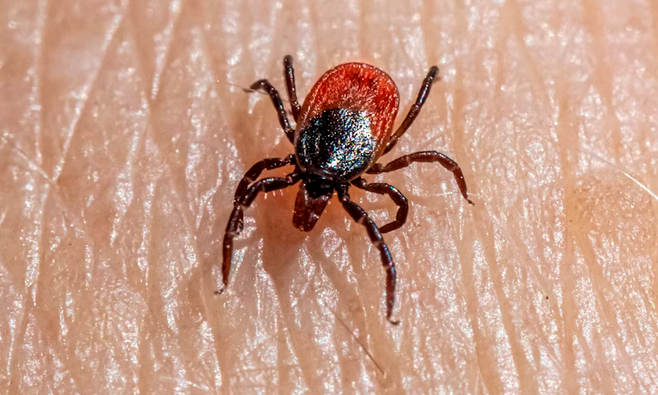
From the Ozark Highlands to the suburban landscapes of St. Louis and Kansas City, here is what you need to know.
1. Feral Hogs: The "Report, Don't Shoot" Emergency
The MDC and the USDA are in the middle of a massive spring eradication campaign. As of April 2026, feral hog populations are established in over 30 Missouri counties, primarily in the rugged southern terrain.
- The Situation: These hogs are highly adaptable and prolific breeders—one sow can produce 12 piglets a year.
- The Policy: The take of feral hogs is strictly prohibited on conservation areas and lands managed by the MDC. Officials are urging the public: "Report, Don't Shoot." * The Reason: Shooting one or two hogs scatters the "sounder" (the family group), making it impossible for professionals to trap the entire group. This makes the remaining hogs "trap-shy" and much harder to eradicate.
- Safety Fact: Feral hogs can carry swine brucellosis and pseudorabies. If confronted, the MDC's official advice is to climb the nearest tree.
2. The 2026 Tick "Surge"
Health experts at the Missouri Department of Health and Senior Services are predicting a "worse than average" tick season for 2026. Warm spring temperatures have triggered an early emergence of the state's most dangerous species.
- The Nymph Alert: April marks the emergence of nymphal deer ticks. These are the size of a poppy seed and are responsible for the majority of Lyme disease cases because they are almost impossible to see.
- The "Lone Star" Threat: The Lone Star Tick is exceptionally active this month. It is the primary vector for Alpha-gal Syndrome (the red meat allergy) and Ehrlichiosis.
- Action: Treat your gardening and hiking clothes with permethrin. Perform a "full-body check" every evening, especially if you have been near tall grass or the "edge" habitat of wooded areas.
3. Emerald Ash Borer: The " brittle Tree" Warning
The Emerald Ash Borer (EAB) has now been confirmed across nearly the entire state. In April 2026, officials in communities like O'Fallon and St. Joseph are issuing safety warnings regarding "doomed" ash trees.
- The Danger: Ash trees killed by EAB become extremely brittle very quickly. With Missouri's spring storm season in full swing, these dead trees pose a catastrophic risk of dropping massive limbs on houses, vehicles, and power lines.
- What to Look For: Check your ash trees for "sucker growth" (new sprouts at the base) and "woodpecker blonding." If a tree is showing 50% canopy death, it is likely infested and should be removed immediately.
- Action: Do not move firewood. Moving wood is the primary way EAB spreads to the few remaining uninfested pockets of the state.
4. New Invasive: The Round Goby
A high-priority aquatic alert was issued in April 2026 regarding the Round Goby, an invasive fish from the Black and Caspian Seas.
- The Threat: After making its way down the Illinois River, the Round Goby has now been confirmed in the Mississippi River near Alton, Illinois, just across from Missouri.
- The Impact: These aggressive fish eat the eggs of native species and outcompete Missouri’s local bottom-dwelling fish.
- Action: Anglers are urged to "Protect Missouri Fishing." Never move bait between water bodies, and report any sightings of this small, frog-faced fish to the MDC.
5. Invasive Plants: The "Arbor Day" Push
As Missouri celebrates Arbor Day on April 24, 2026, the Missouri Invasive Plant Council is targeting several species that are currently leafing out and outcompeting native flora.
- The Targets: Japanese Honeysuckle, Callery (Bradford) Pear, and Wintercreeper.
- The Event: On Saturday, April 25, volunteers at Battle of Lexington State Historic Site and Knob Noster State Park will be using loppers to remove invasive vegetation from future hiking trails.
- Action: If you are planting this week, avoid the Callery Pear—which is now subject to "buy-back" programs in many Missouri cities—and choose native alternatives like Serviceberry or Eastern Redbud.
Checklist for Missouri Residents
- Report the Hogs: Call 573-522-4115 to report sightings; do not attempt to hunt them yourself on public land.
- Inspect Your Walnut Trees: Be on the lookout for Thousand Cankers Disease (TCD); do not transport walnut wood for woodworking.
- Tick Hygiene: Use DEET or Picaridin and perform checks daily; the 2026 nymphal infection rate is trending high.
- Buy It Where You Burn It: Only use local or heat-treated firewood to prevent the spread of EAB and TCD.