 KANSAS - Kansas is experiencing a classic "rollercoaster" spring. While a mid-March snowfall temporarily slowed pest emergence, the recent surge in temperatures has triggered a high-priority alert from the Kansas Department of Health and Environment (KDHE) and the Department of Agriculture (KDA).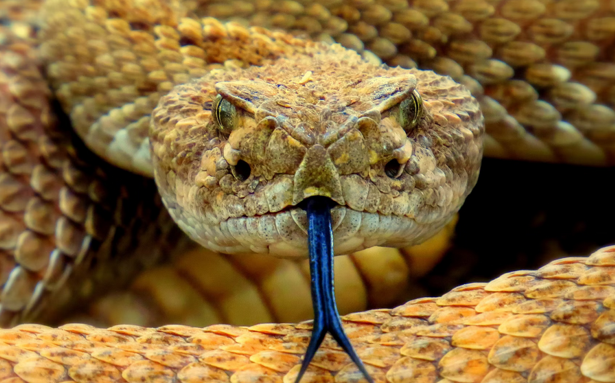
From "poppy seed" ticks in the tallgrass prairie to a legislative crackdown on invasive weeds, here is what is on the move in the Sunflower State right now.
1. The 2026 Tick "Action" Alert
On April 20, 2026, the KDHE issued a statewide press release urging Kansans to take immediate precautions. With daytime temperatures consistently hitting the 70s, tick activity is currently at its spring peak.
- The Pathogens: Several species are active now, capable of transmitting Ehrlichiosis, Rocky Mountain Spotted Fever, and Tularemia.
- Alpha-Gal Alert: Officials are noting a rise in the Alpha-Gal Syndrome (red meat allergy), which is primarily spread by the Lone Star Tick—a species that has been aggressively expanding its range into central Kansas.
- The "Nymph" Danger: In late April, be on high alert for nymphal ticks. They are the size of a poppy seed and are responsible for the most infections because they often go undetected for days.
- Action: Treat your gardening and hiking clothes with permethrin and perform a "tick check" every evening.
2. Noxious Weeds: The 2026 "Category Shift."
At a public hearing held on April 7, 2026, the KDA officially updated the Kansas Noxious Weed Act to consolidate control methods and target new invasive threats currently experiencing a spring growth spurt.
- The New Targets: Spotted Knapweed and Diffuse Knapweed have been moved to "Category A" (top priority for eradication). Common Teasel and Cutleaf Teasel are now under strict "Category B" containment.
- Amur Honeysuckle: This common ornamental shrub is being targeted this month, especially in metropolitan areas like Wichita and Kansas City, where it is aggressively choking out native woodland.
- Action: Landowners are encouraged to participate in county pesticide cost-share programs this month to manage these species before they go to seed later this spring.
3. Aquatic Invaders: The "Clean, Drain, Dry" Order
As of April 2026, the Kansas Department of Wildlife and Parks (KDWP) has intensified inspections at state park reservoirs to prevent the spread of aquatic nuisance species (ANS).
- The Threat: Zebra Mussels have been confirmed in over 30 Kansas waterbodies. As water temperatures rise, these mussels begin their "veliger" (larval) stage, where they are invisible to the naked eye but can hitchhike in boat engines and livewells.
- The Rule: You must drain all water from your boat and livewell before leaving any Kansas lake.
- Quarantine Alert: If you have visited infested waters in neighboring Missouri or Oklahoma, you must undergo a mandatory drying period or professional decontamination before launching in a "clean" Kansas lake like Clinton or Wilson Reservoir.
4. Emerald Ash Borer: The "Biowarfare" Update
The KDA is currently executing its 2026 biological control program to protect Kansas's remaining ash trees. The beetle has now been recorded in 19 Kansas counties, with recent confirmations in Bourbon, Linn, Marshall, and Pottawatomie.
- The Solution: This month, specialists are releasing Oobius agrili (tiny, stingless parasitoid wasps) in established infestation zones like Johnson County.
- Action: Do not move firewood across county lines. If you notice "D-shaped" exit holes or "woodpecker blonding" on your ash trees, report it to the Kansas Forest Service immediately.
5. Rattlesnakes: The Daytime Basking Phase
April marks the "official" start of rattlesnake season in the Kansas prairies and rocky outcrops. Because nights are still cool, snakes are most active in the late morning and afternoon.
- The Species: The Prairie Rattlesnake (western KS) and the Timber Rattlesnake (eastern KS) are currently leaving their winter dens.
- The "Garden" Warning: Snakes are being drawn into suburban yards this month in search of rodents and early-season water.
- Safety Tip: If you hear a rattle, stop immediately and locate the sound. Do not run unthinkingly. Back away slowly until you are at least 10 feet away. In Kansas, it is legal to relocate a snake, but it is highly recommended to call a professional.
Summary Checklist for Kansas Residents
- Bird Feeders Down: While primarily a "bear" rule in other states, in Kansas, this prevents attracting skunks and raccoons, which are primary carriers of rabies in the spring.
- Mow the "Edges": Keep your grass short where it meets wooded or brushy areas to reduce tick density.
- Inspect Your Boxwoods: The KDA is currently conducting a statewide survey for the Box Tree Moth; report any heavy webbing or green caterpillars.
- Buy the Stamp: Ensure you have your 2026 ANS (Aquatic Nuisance Species) stamp before your first spring fishing trip.
How does the presence of these pests impact your spring plans for hiking or fishing?