 MONTANA - 2026 brings the spring thaw to "Big Sky Country." Montana's wilderness is stirring. Following a winter that provided deep snowpack in the high country, the rapid melt is driving wildlife into valley floors. Montana Fish, Wildlife, and Parks (FWP) and the Department of Agriculture have issued several high-priority alerts this month.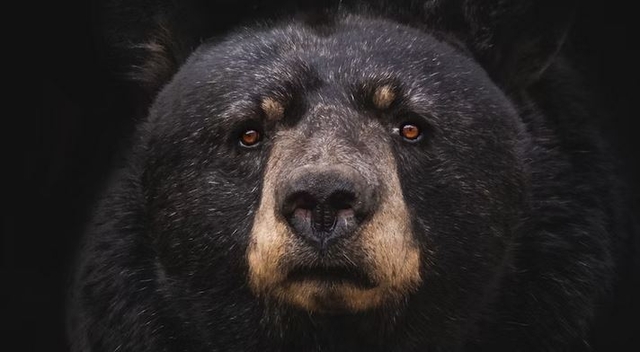
From grizzly bears emerging in the Custer Gallatin to "mussel-fouled" boats at our borders, here is what is on the move in Montana right now.
1. Grizzly Bears: The Custer Gallatin Emergency
On March 18, 2026, Forest officials issued a temporary closure in the Custer Gallatin National Forest due to a high volume of "wildlife attractants"—primarily winter-killed carcasses that are drawing grizzly bears in high numbers.
- The Situation: As of April 20, 2026, specific Spring Black Bear Closures (such as BMU 510) are also in effect. Grizzlies are currently active even at low elevations, scavenging for easy calories after hibernation.
- The Danger: Hungry bears are highly protective of carcasses. Surprise encounters are the leading cause of bear attacks in Montana this month.
- Action Plan: If you are hiking or scouting for spring turkey season, stay out of posted closure areas. Always carry bear spray in an accessible holster—not in your pack—and know how to use it.
2. Aquatic Invasive Species (AIS): The 2026 "Line in the Sand."
Montana's stringent watercraft inspection program officially ramped up on March 7, 2026. This year, the defense is more critical than ever; FWP has already intercepted a "mussel-fouled" sailboat in late February that was purchased in Oklahoma and bound for Box Elder.
- The Threat: Invasive Quagga and Zebra mussels would be catastrophic for Montana's irrigation systems and hydroelectric dams.
- The Rule: As of April 2026, watercraft inspection stations at Dillon, Ravalli, and Anaconda are fully operational. All boaters must stop. This includes non-motorized craft like kayaks, drift boats, and paddleboards.
- Requirement: Ensure your boat is "Clean, Drain, Dry" before approaching an inspection station. If you are coming from out of state, you must have your vessel inspected before launching in any Montana waters.
3. The 2026 "Tick and Mosquito" Surge
Despite a "rollercoaster" spring with sudden cold snaps, the April 2, 2026, forecast predicts a significant surge in biting insects.
- The "Cattail" Mosquito: Scientists are projecting a record-high year for the "cattail mosquito" (Coquillettidia perturbans). These mosquitoes overwinter as larvae and emerge as a single massive, aggressive brood.
- Tick Alert: The first Deer Tick of the 2026 season was found on March 9th. Experts warn that nymphal ticks (the size of a poppy seed) may have a higher prevalence of Lyme disease this year due to late-season larval activity last fall.
- Action: Helicopter larvicide treatments across Montana's wetlands are scheduled to begin this week (April 20th). When outdoors, wear light-colored clothing and perform a thorough "tick check" every night.
4. Pesticide Stewardship: The "Clean Sweep" Events
The Montana Department of Agriculture (MDA) is facilitating a series of Spring 2026 Pesticide Disposal Events to protect state groundwater.
- The Event: Collections occurred between April 7–9, 2026, in Kalispell, Plains, and Missoula.
- Why It Matters: Improperly stored or "legacy" pesticides pose a direct threat to pets, livestock, and local ecosystems.
- Action: If you missed the April window, the next round of collection events is scheduled for July 7–9, 2026, in Polson, Hamilton, and Butte. Secure any unusable pesticides in leak-proof containers until they can be properly disposed of.
5. New World Screwworm: The Transboundary Threat
In a briefing held during National Invasive Species Awareness Week (late February 2026), wildlife experts highlighted the New World Screwworm as an emerging threat to the Americas.
- The Risk: Screwworm larvae infest open wounds in livestock, wildlife, and even humans, causing severe tissue damage.
- Action: While not yet established in Montana, ranchers and pet owners are urged to monitor any open wounds on animals for unusual larval activity, especially if the animal has recently traveled or been in contact with livestock from southern regions.
Summary Checklist for Montana Residents
- Carry Bear Spray: Grizzlies are active and defensive of food sources; make noise while hiking.
- Stop at Inspection Stations: Every boat must be inspected to keep Montana's waters mussel-free.
- Tick Hygiene: Perform a full-body scan daily; the 2026 nymphal infection rate is trending high.
- Secure Attractants: Lock up trash and remove bird feeders to prevent bears from becoming "habituated" to your neighborhood.
How does the presence of these pests impact your spring plans for hiking or fishing?