 CALIFORNIA STATE — For decades, the California grizzly was the undisputed king of the West—a legend so powerful it remains on the state flag long after its 1924 extinction. But as we move through the spring of 2026, a new titan is reclaiming the crown. The California black bear is no longer just a forest-dwelling scavenger; it has evolved into a massive, record-breaking apex predator that is expanding its territory at an explosive rate.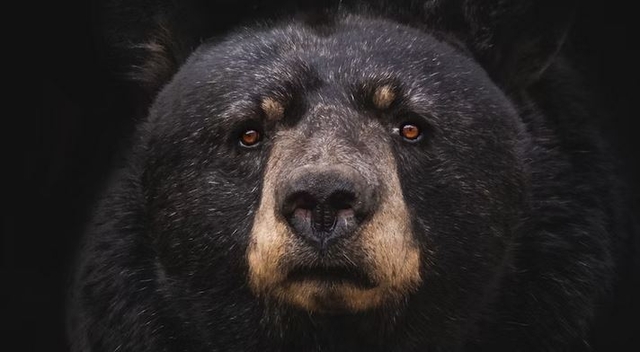
As of early 2026, the California Department of Fish and Wildlife (CDFW) reports that the state’s black bear population has surged to an estimated 60,000 to 80,000 individuals. More shocking than the numbers, however, is the sheer scale of the animals being spotted. Bruins once thought to max out at 300 pounds are now frequently tipping the scales at 500, 600, and in rare, documented cases, nearly 700 pounds.
From Recovery to Dominance
In the 1980s, California’s bear population was estimated at a mere 10,000. Fast forward to 2026, and the population has increased by over 600%. This "Great Bear Boom" is the result of several converging factors:
- The "Hounding" Ban Legacy: Since the 2012 ban on using dogs to hunt bears, harvest rates have plummeted. This has allowed male bears (boars) to reach full maturity, living 20+ years and growing to sizes rarely seen in the 20th century.
- The High-Calorie Frontier: California bears have become masters of the "urban-wildland interface." From the calorie-dense dumpsters of Lake Tahoe to the avocado and nut orchards of the Central Valley, these bears are bypassing the lean "foraging" stage of life in favor of a high-fat, high-protein diet that supercharges their growth.
- Range Expansion: Once confined to the Sierra Nevada and the North Coast, black bears have successfully recolonized the Central Coast and are pushing deep into Southern California’s Transverse Ranges, with sightings now common in the hills above Los Angeles.
Mapping the Giants: California’s Bear Hotspots
While bears are everywhere in 2026, three specific regions are producing the "monsters" that have residents and biologists talking:
- The Klamath-Trinity Wilderness: This region in Northwest California currently hosts what may be the densest black bear population on Earth. With 156 bears per 100 square kilometers, the competition for territory is fierce, and only the largest, strongest boars survive to claim the best salmon-run territories.
- The Lake Tahoe Basin: The "Garbage Giants" of Tahoe are world-famous. In 2026, biologists have noted that Tahoe bears are often 30% heavier than their deep-woods counterparts. The combination of readily available human-provided calories and relatively mild winters (which lead to shorter hibernation periods) creates 600-pound bears that remain active nearly year-round.
- The Southern Cascades (Lassen & Modoc): This is the state’s newest "frontier." As the range expands northeast, bears are finding vast, undisturbed volcanic landscapes where they can grow to massive proportions without human interference.
The Coexistence Challenge: 80,000 Bears vs. 40 Million People
The rise of the 600-pound monster brings California to a crossroads. In April 2025, the state officially released its updated Black Bear Conservation and Management Plan, the first major overhaul in 27 years. The plan emphasizes "Bear-Human Harmony" but acknowledges that conflicts are at an all-time high.
"A 600-pound bear is not just a wildlife sighting; it’s a force of nature," says one CDFW biologist. "As they lose their fear of humans in places like Yosemite or the San Gabriel Mountains, we have to change our behavior to ensure they don't have to be removed."
Conclusion
The return of the massive black bear is one of the most successful—and complex—wildlife stories in California's history. While we may never see the 2,000-pound grizzlies of the 1800s again, the "Monsters of the Golden State" are proving that Ursus americanus is more than capable of filling the void. As these giants continue their explosive rise, California is once again truly "Bear Country."