


 ARIZONA STATE - If you’ve noticed a few more empty parking lots at your local shopping center lately, you’re not alone. Spring 2026 is proving to be a season of significant contraction for Arizona’s grocery landscape. As national giants "right-size" their footprints and independent staples struggle to keep the lights on, Arizona shoppers are facing a new reality of longer drives and fewer choices.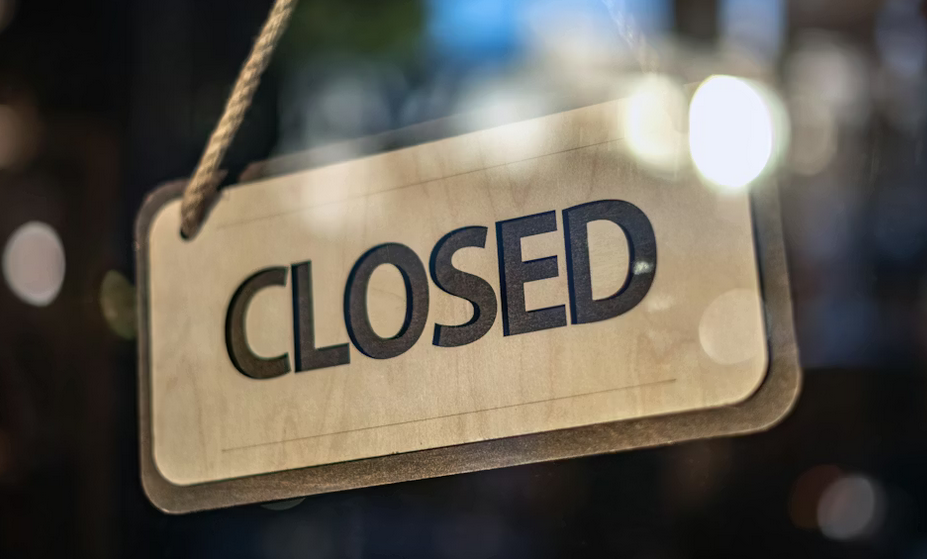
From the busy corridors of the East Valley to the neighborhoods of South Tucson, here are the major supermarket closures defining the state this season.
1. The Kroger "Targeted 60" Hits the Valley
Following its major earnings report late last year, Kroger—the parent company of Arizona’s dominant Fry’s Food Stores—has been aggressively moving through its plan to shutter 60 "underperforming" locations nationwide by late 2026.
This spring, the ripple effect is landing in Arizona. Unlike the massive expansion seen in the early 2010s, Fry’s is now consolidating. Older, smaller-format stores are being phased out in favor of the massive "Fry’s Marketplace" hubs. Residents in Mesa and Tempe have already seen the first wave, in which long-standing neighborhood spots (like the recently shuttered Power & Baseline location) are being replaced by larger, more centralized stores that often sit across city lines in Gilbert or Chandler.
2. The South Tucson "Food Desert" Crisis
One of the most significant blows to Southern Arizona remains the aftermath of the Food City closure on South 6th Avenue. While the doors officially locked in late 2025, the community is feeling the full weight this spring as local efforts to find a new tenant have hit repeated delays.
As the only full-service grocery store in the City of South Tucson, its absence has created a massive void for thousands of residents. This closure has become a flashpoint for the "grocery desert" debate in Arizona, highlighting how corporate "financial decisions" can leave vulnerable populations miles away from fresh produce.
3. Safeway and Albertsons: The Post-Merger "Plan B"
After the high-profile $24.6 billion merger between Kroger and Albertsons officially collapsed, the "Plan B" for Arizona’s Safeway and Albertsons locations has been one of quiet attrition.
Instead of the mass divestiture to C&S Wholesale that was originally planned, corporate leaders are now scrutinizing individual store performance. Locations with high operational costs or aging infrastructure that were "held together" during the merger negotiations are now being quietly shuttered or converted. This spring, watch for "Everything Must Go" signs at older Safeway locations in rural Arizona and aging suburban pockets as the company trims the fat to remain competitive.
4. Walmart’s Continued Shift to "Neighborhood Fulfillment"
Walmart is also contributing to the spring shakeup by evaluating its Neighborhood Market locations. While the retail giant remains the king of grocery in the state, they are increasingly pivoting toward automated fulfillment. Several smaller-format Walmart grocery stores in the Phoenix metro area are being phased out this year as the company shifts resources to its "Big Box" Supercenters and online delivery hubs.
Why is Arizona losing its aisles?
The "Grand Canyon State" is seeing a unique set of challenges:
- The "Aldi" Effect: The rapid expansion of discount grocer Aldi (with 10 new stores planned for Metro Phoenix in 2026) is putting immense price pressure on legacy brands like Safeway and Fry’s.
- Operational Overhead: High utility costs for cooling massive refrigerated spaces in the Arizona heat, combined with rising labor costs, are making older, inefficient buildings a liability.
- The Shift to Suburbs: As population centers shift toward the far edges of the Valley (Buckeye, San Tan Valley, Maricopa), older stores in the "inner ring" suburbs are being abandoned for newer developments.
Note for Shoppers: Many of these closures include the loss of in-store pharmacies and banking centers, which often close weeks before the grocery aisles themselves. If your local store is on the list, ensure you've transferred your prescriptions by the end of March.
 Note for Shoppers: Many of these closures include the loss of in-store pharmacies and banking centers, which often close weeks before the grocery aisles themselves. If your local store is on the list, ensure you've transferred your prescriptions by the end of March.