


 CALIFORNIA - If you live in the foothills of Los Angeles, the Bay Area, or Placer County, you might have seen the frantic posts on the Ring app recently. They usually describe a sound that stops your heart: a high-pitched, terrifying shriek that sounds exactly like a woman screaming for help.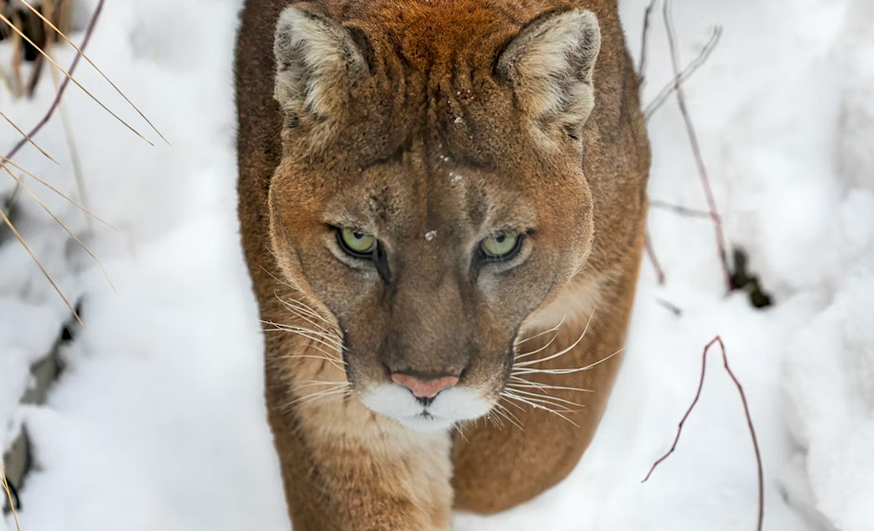
It happens at dusk or just before dawn. Residents rush outside with flashlights, ready to call 911, only to find an empty street.
For years, we were told these predators were "ghosts"—rare, elusive, and confined to the deep wilderness. But in 2026, the Mountain Lion (or Cougar) is making itself known in the suburbs like never before. And with a historic state vote looming next month, the "Ghost Cat" is about to be the biggest news story in California.
1. The "Scream" That Fools 911
Why does it sound so human?
- The Noise: Unlike a roaring African lion, a Mountain Lion cannot roar. Instead, it chirps, whistles, and—most famously—screams.
- The Reason: This bone-chilling caterwaul is actually a mating call from a female lion. It is loud, desperate, and often described as sounding like a "banshee."
- The Spike: In early 2026, reports of these screams have spiked in "urban-edge" communities like Roseville, Santa Monica, and the East Bay hills. As lions get pushed closer to homes, their love songs are waking up entire neighborhoods.
2. The "Urban Edge" Invasion
Why are we seeing (and hearing) them more?
- The Squeeze: It’s not that there are more lions; it’s that they have nowhere else to go. With habitat fragmentation from new developments in the Inland Empire and Sacramento suburbs, young male lions are being forced to travel through backyards and golf courses to find territory.
- The Ring Effect: Ten years ago, a lion could walk past your garage at 3 AM undetected. Today, every motion-sensor camera captures it in 4K. The "Ghost" hasn't just returned; it’s being televised.
3. The Historic "Threatened" Vote
This isn't just a neighborhood scare; it’s a political battle.
- The News: Next month (February 2026), the California Fish and Game Commission is set to hold a final vote on listing Mountain Lions in the Central Coast and Southern California as a "Threatened" species.
- The Stakes: If passed, this would make it much harder for developers to build in lion habitats and would ban the use of certain rat poisons (which kill lions who eat the poisoned rats). It is shaping up to be the fiercest environmental battle of the year.
4. Should You Be Worried?
Hearing a scream in the canyon is terrifying, but attacks remain statistically rare.
- The Reality: A mountain lion wants to avoid you. If you see one, it is likely already looking for an exit.
- The Pets: However, the danger to pets is real. In drought years (and post-fire years), lions come lower to find water and easy prey. A 150-pound cat can clear a 6-foot fence with a coyote or a dog in its mouth.
- The Rule: If you hike in the foothills this year, the advice has changed. Don't just "be loud." Bring a friend. Lions almost never approach groups.
The Takeaway
California is unique. We are one of the only places on earth where a wild apex predator lives within viewing distance of a Starbucks. The "scream" in the canyon is a reminder that even in 2026, the Golden State is still wild at heart.
So, if you hear that terrifying shriek tonight, don't panic. It’s just the neighbors... the original ones.
