


Following several high-profile encounters in the Boise foothills and the Wood River Valley this month, here are the five most dangerous animals you need to watch for in the Gem State this year.
1. The Grizzly Bear
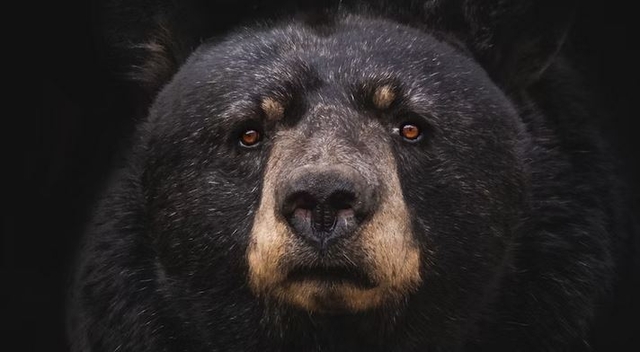
For the first time in over 40 years, the grizzly bear is at the center of a major policy shift in Idaho. With the Greater Yellowstone population officially recovered, Idaho has moved forward with a landmark 2026 management plan that includes the state's first limited hunting tag in decades.
- The 2026 Expansion: Grizzly sightings are no longer restricted to the remote corners of the Panhandle or the Yellowstone border. In early 2026, "brazen" young grizzlies have been documented wandering into the North Fork Salmon River area, miles from their typical range.
- The Danger: Weighing up to 600 pounds and capable of running 35 mph, a grizzly is far more aggressive than a black bear. Their sheer size and defensive nature—especially for sows with cubs—make any surprise encounter a life-threatening event.
- Safety Tip: In bear country, always carry bear spray on your person, not in your pack. If you encounter a grizzly, do not run. Speak in a calm, low voice and back away slowly.
2. The Gray Wolf
Idaho’s wolf population remains a flashpoint of controversy in 2026. With an estimated 1,500 wolves roaming the state, territorial pressure is pushing packs closer to rural and suburban ranch lands.
- The "Brazen" Pack Behavior: In the central part of the state, wolves have been reported "circling" residential properties and investigating livestock pens during daylight hours. Experts warn that wolves are increasingly viewing domestic dogs as territorial rivals, leading to high-stakes confrontations in backyards.
- The Danger: While wolves generally avoid humans, they are highly efficient pack hunters. Their intelligence and lack of fear in remote residential zones pose a severe threat to livestock and pets.
- Safety Tip: Keep pets indoors at night and use motion-activated lighting around barns and kennels. If you encounter a wolf, act dominant, make yourself look large, and never turn your back to the pack.
3. The Mountain Lion (Cougar)
As of January 2026, mountain lion sightings have spiked in the Boise foothills and near Ketchum. Wildlife biologists attribute this to "brazen" predators following deer and elk herds into city limits to escape deep mountain snow.
- The Residential Threat: Doorbell cameras in the Wood River Valley have captured several mountain lions lounging on porches and stalking backyard fences this month. These cats are exhibiting a "non-typical" lack of fear, active even during the middle of the day.
- The Danger: As ambush predators, they are often invisible until they strike. They are capable of jumping 15 feet vertically, making standard residential fences an easy obstacle.
- Safety Tip: Avoid walking alone at dawn or dusk in hilly or wooded areas. If you see a cougar, maintain eye contact and throw rocks or sticks to re-establish your status as a threat.
4. The Moose
Often overlooked in favor of bears and wolves, the moose is statistically one of Idaho's most dangerous animals, especially during the winter months.
- The 2026 Road Hazard: Deep snow is currently forcing moose onto cleared roads and trails. In their search for salt and easier travel, they are becoming "brazenly" defensive of their path, leading to dangerous encounters with commuters and winter hikers.
- The Danger: An adult moose can weigh 1,000 pounds and is notoriously unpredictable. They are more likely to charge than a bear if they feel crowded. A moose "stomp" can be fatal.
- Safety Tip: If you see a moose, give it at least 50 feet of space. If it lays its ears back or the hair on its hump stands up, it is about to charge. Run for the nearest tree or solid object to put between yourself and the animal.
5. The Prairie and Northern Pacific Rattlesnakes
While most of Idaho’s dangerous animals are large, the state’s two primary rattlesnake species remain a constant threat in the rocky canyons and high deserts.
- 2026 Winter Activity: Though they are currently in a state of "brumation," unseasonably warm spikes in early 2026 have led to reports of snakes emerging in sun-soaked rocky areas.
- The Danger: Medically significant bites can cause severe swelling, tissue necrosis, and systemic reactions. In Idaho's remote backcountry, the distance to a hospital stocking antivenom is the greatest risk factor.
- Safety Tip: Always wear high-top boots and long pants when hiking in rocky or brushy terrain. If you hear a rattle, freeze immediately. Do not move until you have located the snake, then back away slowly.
Staying Wild-Wise in Idaho
Idaho’s thriving wildlife is a point of pride for the Gem State, but the "brazen" behavior seen in 2026 is a clear signal that the rules of the wild are shifting. Whether you are hitting the trails in the Sawtooths or simply letting the dog out in a Boise suburb, situational awareness is your best tool for staying safe in a state where the wild is never far away.
