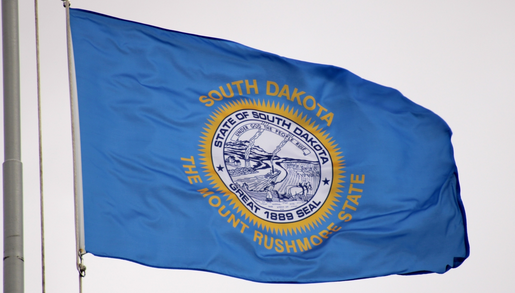
 SOUTH DAKOTA STATE - South Dakota has built a national reputation on being "business-friendly" and "tax-free." In 2026, those perks are still real, but they come with fine print. While the lack of state income tax is a massive bonus for high earners, the cost of daily life—specifically food and housing in the few major cities—has crept up. The definition of "Middle Class" here is shifting from "easy rural living" to a more competitive, suburban hustle, especially as remote workers discover the State affordability.
The "On Paper" Middle Class: $48k to $144k
If you look at the raw census data, the barrier toenteringr the middle class here is one of the lowest in the Midwest.
- Statewide Range: $47,869 to $143,620.
- The Comparison: This is nearly identical to North Dakota and Iowa.
- The Reality: While $48,000 qualifies you statistically, it often isn't enough to thrive in the current market. In Sioux Falls, this income level typically restricts you to apartment living, as the median home price has decoupled from entry-level wages.
The "Real" Cost of Comfort: The $195k Threshold
The most critical data point for 2026 is the "Comfort Index"—the income required to follow the 50/30/20 rule (Needs/Wants/Savings).
- Family of Four: To live comfortably—defined as owning a home, two reliable cars (essential for prairie winters), and saving for the future—a family needs an annual income of $195,500.
- Single Adult: A single person needs roughly $86,200 to maintain a secure lifestyle.
- The Driver: While housing is cheaper than the national average, utilities and groceries are not. Heating a home during a Dakota winter is expensive, and the tax on food adds up quickly for larger families.
The "East River vs. West River" Divide
South Dakota’s economy is split by the Missouri River, creating two distinct financial realities.
1. Sioux Falls (The Economic Engine)
Sioux Falls is the "Mini-Minneapolis" of the plains, attracting banking, healthcare, and tech jobs.
- The Boom: It is one of theMidwest's fastest-growing metros.
- The Cost: To buy a decent family home here, a household needs to earn $105,000 to $120,000.
- The Competition: You are bidding against out-of-state transplants who sold homes in Minnesota or Colorado, keeping prices stiff in desirable neighborhoods like McKennan Park or the southern suburbs.
2. Rapid City & The Black Hills (The Tourist Hub)
West River is driven by tourism (Mt. Rushmore) and the Air Force base.
- The Dynamic: Housing supply is chronically tight due to geography and the short building season.
- The Cost: Rents here can rival those in Sioux Falls, but wages in the service/tourism sectors are often lower. A household income of $85,000 is often the floor for stability here, but you pay a "Black Hills Premium" on gas and goods due to the tourist traffic.
3. Rural South Dakota
- The Bargain: In towns like Aberdeen, Huron, or Pierre, housing remains genuinely affordable. You can find solid homes for $200,000.
- The Trade-off: The challenge is income. Unless you work in healthcare, government, or own a successful farm, finding a six-figure job in these areas is rare.
The "Hidden" Tax: Groceries
South Dakota’s tax structure is unique and regressive for working families.
- The Tax: There is 0% State Income Tax, which puts money back in your paycheck.
- The Catch: The state charges a ~4.2% sales tax on groceries.
- The Math: A family spending $1,000 a month on food pays roughly $500 a year in taxes to eat. This hits lower-middle-class families significantly harder than high earners, effectively clawing back some of the "no income tax" savings.
The Minimum Wage Update
For 2026, South Dakota continues to index its minimum wage to inflation.
- The Rate: As of January 1, 2026, the minimum wage rose to $11.85 per hour.
- The Impact: While higher than the federal $7.25, it still leaves a massive gap. A full-time minimum-wage worker earns roughly $24,600/year, which is less than half the income needed for a single person to live comfortably.
In 2026, South Dakota will be a paradise for the upper-middle class.
 If you earn $150,000+, the lack of income tax makes this one of the best places in America to build wealth. But for a family earning the median income of ~$65,000, the "tax-free" advantage is largely erased by the cost of housing and the taxes on daily essentials like bread and milk.