 CALIFORNIA - Coyotes, a nongame mammal in California, have a population ranging from 250,000 to 750,000, making them one of the most common and adaptable creatures in the state. Known for their resourcefulness, coyotes have demonstrated resilience by adapting to diverse environments, from agricultural lands and farms to residential areas. Their ability to thrive amidst human activities is a testament to their remarkable survival skills.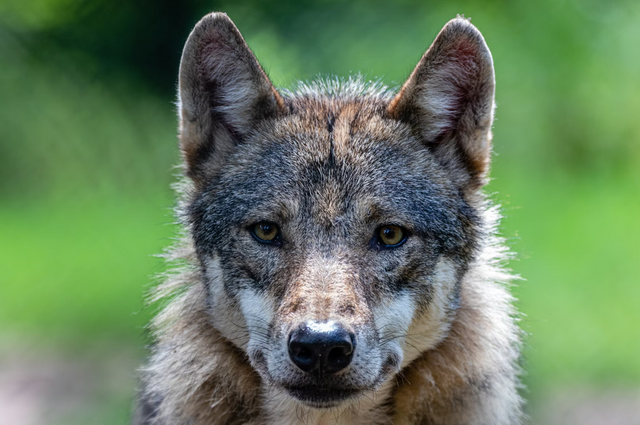
California Coyote Population: Estimates, Risks, and Hunting Laws
How many coyotes are actually in California? Current estimates indicate a population of 250,000 to 750,000 statewide.
While these resilient predators are a natural part of the ecosystem, their high numbers often lead to conflict in both rural and suburban areas. From economic losses for farmers to heartbreaking attacks on family pets, the "coyote problem" is a growing concern for many residents.
The Human-Wildlife Conflict
Coyotes are masters of adaptation. Unfortunately, this adaptability often brings them into close contact with humans. When their predatory instincts target livestock or domestic animals, the results can be devastating. This friction has forced the state to adopt specific management strategies to protect property while maintaining ecological stability.
Coyote Hunting Rules in California
To manage these numbers, the California Department of Fish and Wildlife (CDFW) maintains a year-round open season for coyote hunting. However, this does not mean it is a "free-for-all." Strict regulations ensure safety and conservation:
- License Required: Hunters must possess a valid California hunting license.
- Legal Locations: Hunting is restricted to designated areas where firearm discharge is legal; you cannot hunt in residential neighborhoods despite coyote presence.
- No Bag Limit: There is currently no limit on the number of coyotes that can be taken, allowing for population control in high-density areas.
 California's approach is about striking a difficult balance. The goal isn't eradication, but responsible management. By enforcing licensing and location rules, the state aims to mitigate the dangers of predation on livestock and pets while ensuring the coyote remains a viable part of California's wilderness.