 CALIFORNIA - As the calendar turns to 2026, San Francisco is undergoing a major regulatory shift. While many of these changes stem from California's active legislative session in Sacramento, the city is also implementing its own massive overhaul of business taxes. From the way you shop for groceries to the equipment in your kitchen, these laws will directly impact city residents and small businesses.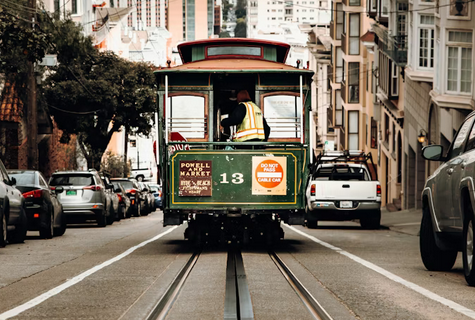
Here are five of the most significant laws taking effect in San Francisco on January 1, 202January 1: "Prop M" Small Business Tax Overhaul
In what is arguably the most significant change for the city's economy in a decade, San Francisco is officially implementing the core components of Proposition M, a massive restructuring of the city's business tax system approved by voters in 2024.
- The Relief: Starting January 1, mJanuary 1s with San Francisco gross receipts of $5 million or less, are no longer required to file or pay the Gross Receipts Tax.
- License Fee Elimination: The new law eliminates annual license fees for approximately 91% of restaurants and 87% of nightlife businesses in the city.
- Streamlining: The law consolidates multiple tax types and moves the Business Registration renewal deadline to the last day of February to align with state tax cycles, significantly reducing the administrative burden on local owners.
2. The Total Plastic Bag Ban (SB 1053)
California is closing the "thick plastic" loophole. Since 2016, many stores offered thick, reusable plastic bags for a fee, but those are now being phased out entirely in favor of more sustainable options.
- The Ban: Starting January 1, pharmacies and convenience stores in San Francisco are prohibited from providing any plastic shopping bags at checkout, including the thick "reusable" ones.
- The Alternative: Retailers may provide only recycled paper or compostable bags, and they must continue to charge a minimum fee (typically 10 cents) to encourage customers to bring their own bags.
- The Goal: The law aims to reduce the millions of tons of plastic film that currently clog recycling machinery and pollute the San Francisco Bay.
3. Mandatory Appliances for Renters (AB 628)
In a city where many residents live in historic or older apartments, a new state law is finally defining what counts as an "essential" appliance for a habitable home.
- The Requirement: For all leases signed, amended, or extended after January 1, 202JanuJanuary 1sco, landlords must provide and maintain a working stove and refrigerator in the unit.
- The Standard: These appliances must be in good working order. If an appliance is subject to a recall, the landlord is legally required to repair or replace it within 30 days.
- Tenant Rights: While tenants can still opt to provide their own appliances if they prefer, the law shifts the default burden to the property owner, ensuring no rentergoeso without basic food storage and cooking tools.
4. The Food Delivery "Human Support" Mandate (AB 578)
San Francisco's thriving food delivery scene is getting new consumer protections aimed at addressing the frustration of "automated" customer service.
- Starting January 1, DoorDash and Uber Eats must provide full refunds to the original payment method (not just "app credit") if an order is never delivered, arrives significantly late, or is incorrect.
- The "Human" Rule: Perhaps most importantly, the law requires these platforms to provide access to a live human customer service representative if their automated chatbots or AI menus fail to resolve a user's issue.
- Transparency: Apps must now show a clear, itemized breakdown of pay and fees, and they are prohibited from using tips to offset a driver's base pay.
5. Used Car "Right to Return" (SB 766)
Buying a used car in the city is becoming a significantly less risky endeavor thanks to new "lemon law" style protections for pre-owned vehicles.
- The 3-Day Window: For many used vehicles priced under $50,000, buyers now have a three-day right to cancel the purchase or lease.
- The Condition: As long as the vehicle is returned in substantially the same condition and has not exceeded the mileage limit set by the law (typically around 400 miles), the dealer must provide a full refund.
- Price Transparency: The law also bans dealers from "hiding" the cost of add-on products (such as gap insurance or anti-theft systems) and requires all costs to be clearly disclosed up front.
Honorable Mention: The "Stay-or-Pay" Ban (AB 692)
Starting this January, San Francisco employers are generally prohibited from using "Stay-or-Pay" clauses. These are contract terms that require an employee to repay the company for training or relocation costs if they leave before a specified date. This law is designed to increase worker mobility and prevent employees from feeling "trapped" in a job due to debt.