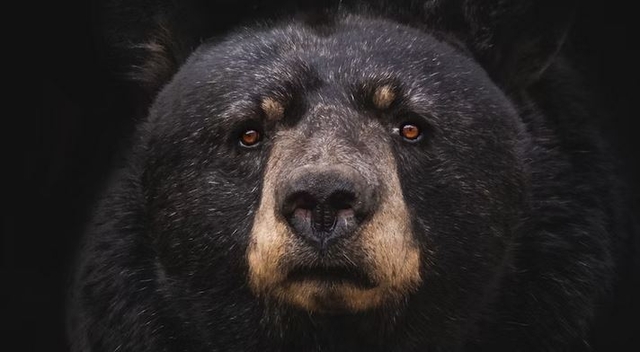
Black Bears in Virginia: What You Need to Know
As residential developments push further into natural habitats and outdoor recreation increases, interactions between Virginians and black bears have become more common. Here is what you need to know about the State bear population and how to stay safe.
The Statistics on Virginia's Bear Population
The Virginia Department of Wildlife Resources (DWR) closely monitors the health and distribution of the State black bears. Today, the population is robust and widely distributed:
- Wildlife biologists estimate that Virginia is home to roughly 17,000 to 20,000 black bears.
- While historically concentrated in the western mountainous regions (like Shenandoah National Park) and the Great Dismal Swamp in the southeast, black bears are now confirmed to live in nearly all of Virginia's 95 counties.
- Sightings typically peak during the spring and early summer months. During this time, natural food sources can be scarce, and young yearling males are forced to disperse and find their own territories, often wandering through suburban neighborhoods.
Are Virginia Black Bears Dangerous?
Despite their formidable size and strength, black bears in Virginia are naturally elusive and generally fear humans. They prefer to flee rather than confront humans.
- Unprovoked attacks are exceedingly rare in Virginia.
- When aggressive encounters do occur, they are almost always defensive. Common triggers include a bear being cornered, a mother defending her cubs, or an off-leash dog provoking a bear and leading it back to its owner.
Tips for Coexisting and Avoiding Encounters
Virginia strongly promotes "BearWise" principles to help residents and visitors live responsibly alongside black bears. Most nuisance bear issues in the state stem from bears seeking out easy, human-provided food sources. The DWR recommends the following safety measures:
- Secure Your Trash: Store garbage indoors, in a shed, or in a bear-resistant container until the morning of trash collection. Never leave bags sitting out overnight.
- Remove Bird Feeders: Bird seed and suet are highly caloric and incredibly attractive to bears. The DWR advises taking down all bird feeders by April 1st and leaving them down until late fall when bears are less active.
- Leash Your Pets: When hiking in bear country, keep your dogs on a short leash. Free-roaming dogs can easily surprise and agitate a bear.
- Keep Grills Clean: Burn off food residue and thoroughly clean the grease traps on your outdoor grills after every use.
- If You Encounter a Bear: Do not panic and never run. Running can trigger a bear's predatory chase instinct. Instead, stand your ground, make yourself look large by raising your arms, and speak in a firm, calm voice while slowly backing away. Ensure the bear has a clear route to escape.