 OREGON - When outsiders think of Oregon food, they typically picture the hyper-local, artisanal hipster dream: perfectly roasted micro-batch coffee, foraged wild mushrooms, hoppy IPAs, and fresh Dungeness crab. But if you step away from the polished farm-to-table food carts of Portland and dive into the State rugged Pacific coastline, deep indigenous history, and intense crunchy-granola culture, you will find a culinary scene that requires a much more adventurous palate.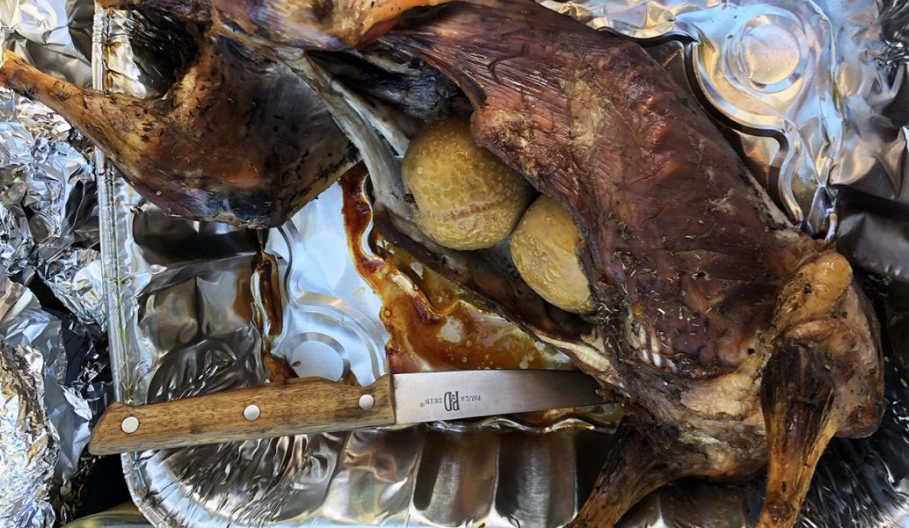
To locals, these dishes are fierce points of Pacific Northwest pride, historic survival foods, and environmentally conscious experiments. To the uninitiated tourist, they sound—and often look—like massive culinary dares or terrifying science fiction creatures.
Here is a breakdown of the most wonderfully weird and outwardly disgusting things you can eat in the Beaver State.
1. Geoduck (The Giant Phallic Clam)
Found buried deep in the mudflats of the Pacific Northwest coast, the geoduck (pronounced gooey-duck) is the largest burrowing clam in the world. It consists of a relatively small, oval shell completely overwhelmed by a massive, fleshy, deeply wrinkled siphon (or "neck") that can grow over three feet long.
- Why locals love it: Despite its completely bizarre appearance, geoduck is an absolute delicacy that commands massive prices in fine dining and sushi restaurants. The meat is incredibly sweet, clean, and crisp. When sliced paper-thin for sashimi or quickly sautéed in butter, it offers a satisfying, crunchy texture with a flavor that tastes like the purest essence of the ocean.
2. Pacific Lamprey (The Vampire Eel)
Long before salmon canneries existed, the indigenous tribes of the Pacific Northwest relied on the Pacific Lamprey. These ancient, jawless fish migrate up the rivers of Oregon just like salmon. Instead of a mouth, they have a terrifying, circular suction-cup face filled with concentric rows of razor-sharp, hooked teeth, which they use to latch onto other fish and drink their blood.
- Why locals love it: For tribes like the Confederated Tribes of Grand Ronde and the Umatilla, it is a deeply sacred, traditional food. Because the lamprey must survive long-distance migrations, its body is extremely rich in fats and oils. When smoked or slowly roasted over an open fire, the intensely rich, fatty meat takes on a heavy, savory, and satisfying flavor that was historically vital for surviving harsh Oregon winters.
3. Nutria (The Invasive Swamp Rat)
Originally brought to Oregon in the 1930s for the fur trade, the nutria is a giant, semi-aquatic rodent that looks like a cross between a beaver and a massive sewer rat, complete with giant, bright orange teeth. Because they are highly invasive and destroy local wetlands, Oregonians have frequently launched campaigns to control the population by turning them into dinner.
- Why locals love it: Ecologically minded Oregonians love eating nutria because it actively helps save the local environment. From a culinary standpoint, the meat is actually fantastic. It is a strictly herbivorous animal, meaning the meat is incredibly lean and clean-tasting. When slow-cooked into a spicy chili or stew, it tastes remarkably like high-quality rabbit or dark-meat turkey.
4. The "Wandering Meatloaf" (Gumboot Chiton)
Foraging is a massive part of Oregon's coastal culture. If you walk along the rocky tide pools of the Pacific, you might spot what looks like a giant, dark-red, leathery football stuck to a rock. This is the gumboot chiton, the largest chiton in the world, affectionately nicknamed the "wandering meatloaf."
- Why locals love it: It is the ultimate badge of honor for hardcore Pacific Northwest foragers. Rooted in indigenous traditions, the gumboot chiton provides an incredibly dense, protein-packed meal. When tenderized properly and fried or stewed, it has a rich, earthy, and oceanic flavor that rewards the intense labor required to cook it.