
 WISCONSIN — The restaurant industry has always been notoriously difficult to navigate, but 2026 is proving to be a year of brutal consolidation across the Badger State. Facing a perfect storm of soaring operational overhead, changing consumer spending habits, and an intensely competitive local dining scene, several corporate giants are executing massive strategic retreats.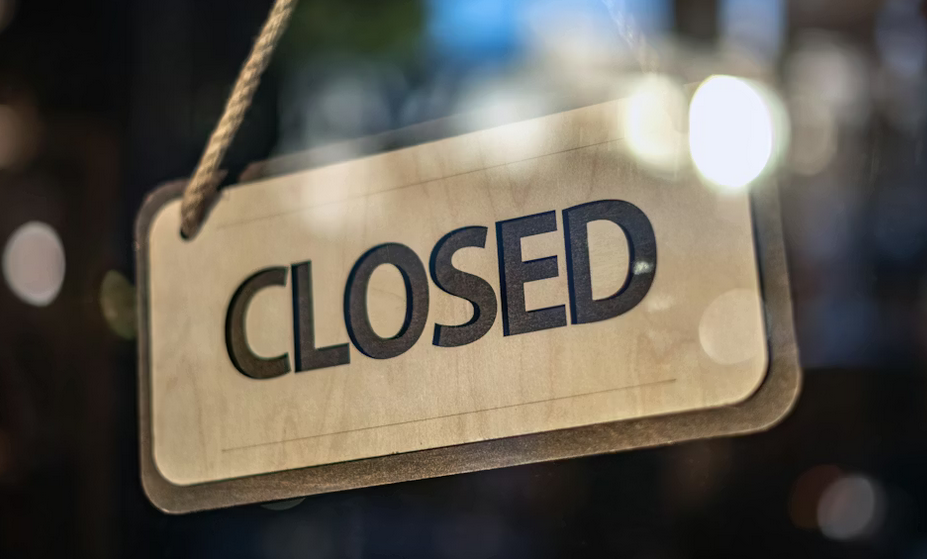
As corporate restructuring sweeps across the Midwest, Wisconsin diners are preparing to say goodbye to many familiar storefronts. By the end of June 2026, three major national restaurant chains will have drastically scaled back their footprints or pulled their underperforming operations out of Wisconsin entirely.
Here is a look at the chains making major exits from the Wisconsin market next month and the economic realities driving them away.
1. Pizza Hut
The Pizza sector is experiencing a massive physical contraction in 2026, and Wisconsin's suburban and regional communities are seeing a substantial shift as a result. Parent company Yum! Brands is in the final stages of a sweeping corporate turnaround strategy that involves closing 250 underperforming legacy dine-in and older traditional delivery locations across the country during the first half of the year.
Across Wisconsin, traditional standalone brick-and-mortar Pizza Hut storefronts have been quietly locking their doors one by one—including recent notable silent closures like the location on South Business Drive in Sheboygan. The brand is aggressively shedding its older, larger physical footprints, which have become far too costly to maintain and staff, in favor of ultra-streamlined, digital-only delivery and carryout kiosks. The final wave of these planned H1 closures is set to wrap up completely by June 30, 2026.
2. Noodles & Company
The physical footprint of Noodles & Company is shrinking rapidly in 2026, and Wisconsin is caught in the crosshairs of a major corporate pruning effort. Following a tough stretch marked by declining foot traffic and struggles to maintain financial benchmarks, the fast-casual pasta giant dramatically escalated its restructuring strategy, moving forward with a plan to shutter dozens of underperforming corporate-owned locations.
While the Midwest has historically been the brand's primary stronghold, several legacy Wisconsin locations have failed to maintain necessary profit margins amidst skyrocketing commercial lease rates and shifting consumer habits. Corporate directives have slated the remaining wave of these underperforming regional storefronts for permanent closure by June 30, 2026, as the company aggressively consolidates its resources to focus strictly on its highest-performing markets.
3. Wendy's
The fast-food giant is currently undergoing a massive physical restructuring, and Wisconsin is seeing a notable reduction in its familiar square-patty outposts. Following an aggressive turnaround plan to address slumping domestic sales and rising operational overhead, the corporation confirmed that it will close roughly 300 underperforming locations across its domestic network during the first half of 2026.
With the brand heavily prioritizing completely modernized layouts and AI-integrated drive-thrus, older legacy Wendy's locations are rapidly disappearing. The final chunk of these scheduled closures will take effect by mid-to-late June, hitting units with lower unit volumes that have failed to meet corporate profitability metrics amidst fierce regional fast-food competition.
Why the Massive Wisconsin Pullback?
While each of these chains faces unique internal or structural hurdles, their collective pullback from Wisconsin highlights broader macroeconomic forces redefining the State dining landscape:
- The Cost-of-Living Squeeze: Recent retail and hospitality reports for 2026 indicate that over two-thirds of U.S. consumers are actively cutting back on restaurant dining, prioritizing affordability and convenience. Franchise profit margins have thinned to razor-thin percentages, leaving corporate operators unable to absorb ongoing losses.
- The Shift to Compact, Digital Formats: The modern diner increasingly values speed, drive-thrus, and seamless app convenience over a traditional sit-down layout. Legacy casual dining setups and oversized physical footprints are taking the biggest financial hits, driving a massive migration toward ultra-lean, digital-only spaces.
- Wisconsin's Hyper-Local Loyalty: Wisconsin features a fiercely independent food culture, from historic neighborhood supper clubs and beloved local pubs to regional fast-food legends like Culver's. National corporate chains frequently struggle to maintain brand loyalty when economic pressures force local consumers to prioritize authentic, regional favorites over national corporate consistency.
What This Means for Wisconsin Diners
 The departure of these corporate locations marks a noticeable shift along Wisconsin's commercial thoroughfares and suburban shopping plazas. While it is always tough to see familiar community anchors close down, the Wisconsin culinary ecosystem remains incredibly resilient. As these national corporate giants portfolio-manage and yield their real estate, they create unexpected opportunities for homegrown fast-casual brands, local diners, and independent culinary entrepreneurs to step in and capture the market.
