 MONTANA - Before it was known as "The Treasure State," Montana was a vast crossroads of the Northern Plains and the Rocky Mountains. For thousands of years, this land served as a vital hunting ground and a spiritual center for a dozen powerful nations. Because Montana spans both the high plains and the rugged mountains, it supported a unique blend of semi-sedentary river cultures and highly mobile equestrian societies.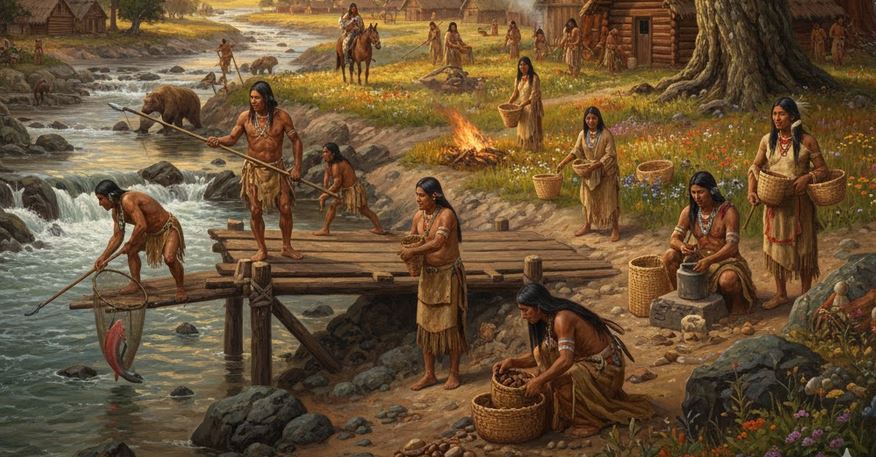
Calculating the pre-contact population of Montana is a dynamic challenge. The region was a "frontier" between different cultural zones, meaning populations shifted frequently in response to the movement of buffalo herds and the changing seasons.
A Landscape of Movement and Power
In the pre-colonial era, Montana was not a static map of borders but a fluid landscape of territories. The abundance of big game—most notably the American Bison—allowed for a higher population than the arid Great Basin, though lower than the salmon-rich Pacific Northwest.
The Population Estimates
Historians and anthropologists generally estimate the pre-contact population (circa late 1700s) through tribal records, trade accounts, and archaeological sites:
- The Estimated Range: Most scholars estimate that the populations of the various nations within Montana's modern borders ranged from 40,000 to 70,000.
- The Concentration: The highest densities were found along the fertile river valleys of the Missouri, Yellowstone, and Flathead rivers, where water and shelter were most reliable.
The Great Nations of the Plains and Mountains
Montana was—and remains—home to several distinct cultural groups, each with a sophisticated understanding of the diverse terrain.
The Plains Nations
The eastern and central parts of the state were dominated by "Buffalo Cultures." This included the Niitsitapi (Blackfeet Confederacy), the Apsáalooke (Crow), and the Tsitsistas (Northern Cheyenne). These nations developed a nomadic lifestyle centered on the buffalo, utilizing every part of the animal for food, clothing, and shelter. The Blackfeet, in particular, were known as one of the most powerful military forces on the continent, controlling a massive territory that stretched into Canada.
The Mountain Nations
In the western third of the state, the Séliš (Salish), Qispé (Pend d’Oreille), and Ksanka (Kootenai) lived in the lush valleys between mountain ranges. While they also hunted buffalo on the plains, their culture was more centered on the resources of the forest and the rivers, including camas roots and bitterroot, which remains a sacred plant today.
The Missouri River Tribes
Along the northeastern stretches, groups like the A’aninin (Gros Ventre) and the Nakoda (Assiniboine) maintained a presence, often acting as key players in the vast trade networks that moved goods from the Great Lakes to the Rockies.
The Biological Frontier: Disease and the Horse
In Montana, the "colonial conquest" arrived in two transformative waves long before white settlers built permanent towns.
- The Equestrian Revolution (c. 1700–1750): The arrival of the horse from the south completely reshaped Montana’s population dynamics. It allowed tribes to hunt buffalo more effectively and move in larger groups, leading to a population surge and a golden age of Plains culture.
- The Smallpox Epidemic of 1780-1782: This was perhaps the single most devastating event in the region's history. Carried along trade routes, smallpox killed an estimated half of the Blackfeet and Crow populations in a matter of months. By the time Lewis and Clark arrived in 1805, they encountered nations still recovering from a massive demographic collapse.
Montana’s Indigenous Sovereignty Today
The 19th-century "Indian Wars" and the subsequent reservation era saw a drastic reduction in tribal lands, but the indigenous presence in Montana remains a cornerstone of the state's character. Montana is the only state with a constitutional mandate to teach "Indian Education for All" in its public schools, recognizing the essential role of its first people.
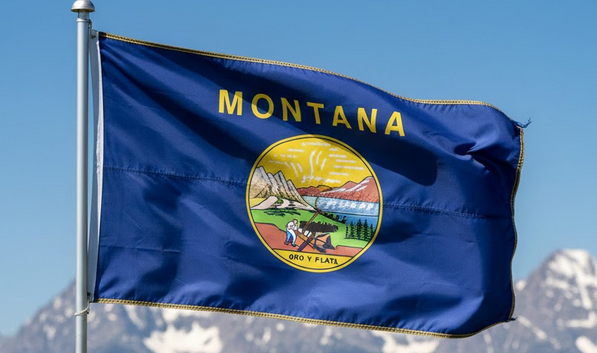 Today, there are 12 federally recognized tribes living on seven reservations across the state. From the majestic mountains of the Blackfeet Nation to the rolling plains of the Fort Peck Reservation, these nations continue to lead in areas of land conservation, bison restoration, and cultural preservation.