


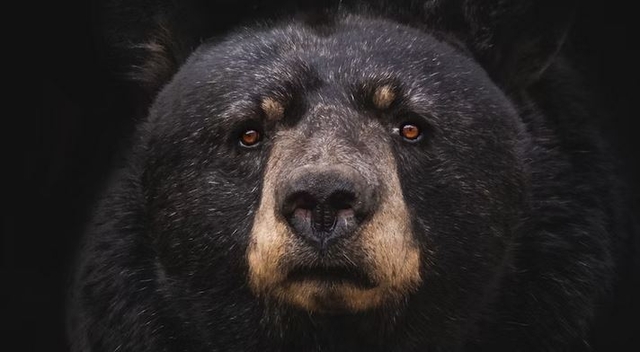
 Following a tragic fatal mountain lion attack just across the border in Colorado earlier this month, Wyoming wildlife officials are urging a new level of "predator-savvy" awareness. Here are the five most dangerous animal threats to Wyomingites this year.
1. The Grizzly Bear
Wyoming remains the heart of grizzly country, and in 2026, the population is at a record high. While most bears are currently denned, biologists are tracking several "brazen" individuals who have remained active well into January.
- The Jackson Sighting: On January 12, 2026, witnesses in the Jackson area documented a robust subadult bear still foraging in the snow near Kelly Warm Springs. Experts suggest unseasonably warm December temperatures may have confused the biological clocks of younger bears, keeping them out and hungry.
- The Danger: A grizzly is inherently more aggressive than a black bear. With the population expanding east toward Cody and south toward the Upper Green River, encounters on private ranch lands are at an all-time high.
- Safety Tip: Never assume winter means "zero bears." Carry bear spray year-round in northwest Wyoming. If you encounter a grizzly, speak calmly and back away; never run, which can trigger a 35-mph chase.
2. The Mountain Lion (Cougar)
The start of 2026 has been marked by a "rare tragedy" that has set Wyoming hikers on edge. On January 1, 2026, a solo hiker was fatally attacked by a mountain lion on a trail in Larimer County, Colorado—just miles from the Wyoming border.
- The "Brazen" Factor: In Wyoming, large carnivore specialists have noted that lions are following elk and deer herds into lower-elevation suburbs to escape deep mountain snow. These cats are increasingly appearing on doorbell cameras in Laramie and Casper.
- The Danger: As ambush predators, they are masters of stealth. The Colorado fatality, the first in the region in decades, serves as a grim reminder that "rare" does not mean "never."
- Safety Tip: Avoid hiking alone at dawn or dusk. If you see a lion, do not crouch or hide. Stand tall, wave your arms, and act like a predator yourself. If attacked, fight back with everything you have.
3. The Gray Wolf
As of January 3, 2026, the U.S. House of Representatives passed new legislation delisting gray wolves nationwide, a move that could shift management entirely back to the states. In Wyoming, this comes at a time of increased pack activity near rural settlements.
- The Residential Threat: Wolves are highly territorial and have become increasingly "brazen" about investigating livestock and domestic pets near the Wind River Range. In 2026, officials are seeing a rise in "territory disputes" where wolves target domestic dogs they perceive as rivals.
- The Danger: While wolves rarely target humans, they are intelligent, coordinated pack hunters. A pack of six to ten wolves can quickly surround a hiker or a rancher before the threat is fully realized.
- Safety Tip: If you live in wolf country, keep pets in secure, roofed kennels at night. If you encounter a wolf, maintain eye contact and use an air horn or bear spray to re-establish a boundary.
4. The Shiras Moose
Statistically, the moose is one of Wyoming's most dangerous large mammals, especially during the winter months when they are calorie-deprived and defensive.
- The 2026 Alert: In a "brazen" and disturbing incident reported this month, three men in Uinta County were charged with felony animal cruelty after roping and dragging a wild moose. Officials warn that such interactions are not only illegal but suicidal; a 1,000-pound moose can kill a human with a single kick.
- The Danger: Deep snow is currently pushing moose onto plowed roads and residential driveways. They do not view humans as predators but as nuisances to be "stomped" out of their path.
- Safety Tip: Give moose at least 50 feet of space. If a moose lays its ears back or the hair on its hump stands up, it is about to charge. Run for the nearest tree or vehicle to put a solid barrier between you and the animal.
5. The "Quiet" Threats: Rattlesnakes and Ticks
While they are currently dormant, the "small" danger in Wyoming is shifting due to changing climate patterns in 2026.
- The Prairie Rattlesnake: Found statewide, these snakes are the most venomous in Wyoming. Spring-like fluctuations in early 2026 have led to reports of snakes emerging earlier than usual in sun-soaked rocky areas.
- The Deer Tick: As winters become shorter, the tick population is thriving in the brushy draws of Eastern Wyoming, carrying Lyme Disease and Rocky Mountain Spotted Fever further into the state than previously documented.
- Safety Tip: Wear high-top boots and long pants when hiking. Perform a meticulous "tick check" after every outing, even in the winter if the ground is clear.
Conclusion: Respecting the Cowboy State, Wyoming’ss 2026 landscape remains one of the last truly wild places in America, but "wild" means unpredictable. The
