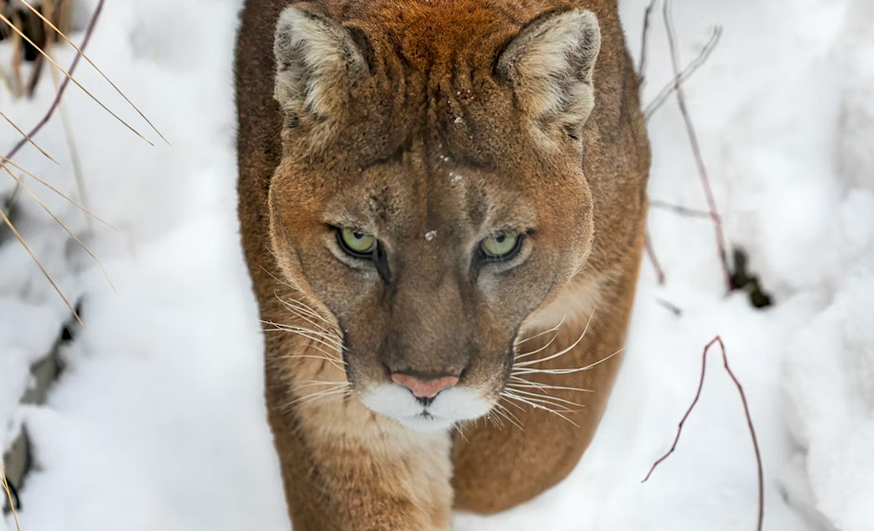
Following a string of residential cougar sightings and new, strict 2026 laws regarding wildlife feeding, the Washington Department of Fish and Wildlife (WDFW) is urging residents to remain vigilant. Here are the five most dangerous animals threatening Washingtonians this year.
1. The Mountain Lion (Cougar)
Washington is home to an estimated 2,100 cougars, and 2026 has already seen a high frequency of encounters. In the last few weeks, multiple sightings have been reported in Sudden Valley and East Wenatchee, and one cougar was documented jumping a six-foot fence to enter a residential backyard in Lynden.
- The 2026 Behavior: Unlike in the past, Washington's cougars are increasingly being spotted in daylight. In late 2025 and early January 2026, "brazen" cougars have been reported lingering near high schools and investigative trailheads, showing an alarming indifference to human noise.
- The Danger: As stealth hunters, cougars often see small children and pets as prey. An attack can happen in seconds, often from behind or above.
- Safety Tip: If you see a cougar, do not turn your back and never run. Shout, throw objects, and maintain eye contact. If you have children, pick them up immediately without crouching down.
2. The Resurgent Gray Wolf
While gray wolves were nearly extirpated from Washington by the 1930s, they have made a robust comeback. As of January 2026, there are over 43 known packs in the state, and the conflict between wolves and residential areas is reaching a breaking point.
The Sherman Pack Update: The Sherman Pack in Northeast Washington has become a focal point of management efforts in 2026. Following a series of livestock depredations just miles from residential zones, the state has entered a controversial period of lethal removal and shifts in partnerships.
The Danger: While wolves rarely target humans directly, their presence near homes poses a severe threat to domestic dogs. Wolves are highly territorial and may view a backyard pet as a rival, leading to "brazen" attacks on private property.
Safety Tip: If you live in wolf country (especially in Stevens, Ferry, or Okanogan counties), keep your pets in a secure, roofed kennel or indoors at night.
3. The Black Bear and Grizzly Bear
Washington is one of the few states where you might encounter both species. With roughly 25,000 black bears statewide and a small, protected population of grizzlies in the Selkirk Mountains, the risk is real.
- The 2026 Feeding Ban: As of January 12, 2026, new state rules have made it a misdemeanor to attract large wild carnivores intentionally. This includes the "brazen" feeding of deer, which inadvertently draws hungry bears into suburban neighborhoods.
- The Danger: A habituated bear is a dangerous bear. In the Selkirks, the much larger Grizzly (identifiable by the shoulder hump) is highly territorial and far more aggressive than the black bear when surprised.
- Safety Tip: When hiking in bear country, carry bear spray in an easy-to-reach holster—not in your pack. If you see a bear, talk calmly to identify yourself as human and back away slowly.
4. The Western Rattlesnake
While Western Washington is largely snake-free, the Columbia Basin and the rocky cliffs of Eastern Washington are prime territory for the State only venomous snake: the Western Rattlesnake.
- Early Activity: With 2026 seeing unseasonably warm fluctuations, rattlesnakes are emerging from their dens earlier than usual. Hikers in the Wenatchee area have already reported encounters on sun-exposed rocks this month.
- The Danger: Their hemotoxic venom destroys tissue and can cause permanent damage or death if not treated. Most bites occur when a person accidentally steps on a snake or reaches into a rocky crevice while climbing.
- Safety Tip: Wear high-top boots and long pants when hiking in the East Cascades. Suppose you hear the distinctive "buzzing" rattle, freeze. Locate the snake, then back away. Remember: a rattlesnake can strike a distance up to half its body length.
5. The "Silent" Duo: Black Widows and Ticks
Washington's most dangerous animals aren't always the largest. In 2026, the health impact of minor pests is surging.
- The Black Widow: Found primarily in Eastern Washington, with small populations in Western Washington, the Black Widow is the State most venomous spider. They are being found in "brazen" new spots like outdoor patio heaters and stacked firewood.
- The Deer Tick: Mild winters have allowed tick populations to explode in the Puget Sound area. They are the primary vectors for Lyme Disease and are increasingly being found in residential gardens.
- Safety Tip: Wear gloves when handling firewood or moving boxes in a garage. After any walk in tall grass or brush, perform a meticulous tick check on yourself and your pets.
Coexisting with the Wild
 Washington's wild identity is a source of pride, but the "brazen" shift in animal behavior in early 2026 calls for heightened awareness. By respecting the new feeding laws and staying alert on the trails, Washingtonians can ensure that the State apex predators remain where they belong: in the wild.