Travel
Print

The Two Sides of Travel: Exploring the Impacts of Tourism

Austyn Kunde
Hits: 3075
⏱ 3 min read By Austyn Kunde ✔
Published:
Text:

Tourism is a global force, shaping economies, environments, and cultures. While it offers undeniable benefits, it's crucial to acknowledge its potential downsides. Let's delve into the multifaceted world of tourism, answering some key questions to understand its complexities.


The Two Sides of Travel: Exploring the Impacts of Tourism

What are the three positives of tourism?

  1. Economic Growth: Tourism injects money into local economies, supporting businesses, creating jobs, and generating tax revenue to fund infrastructure and public services.
  2. Cultural Preservation: Tourism can incentivize the preservation of cultural heritage sites, traditions, and crafts, ensuring their survival for future generations.
  3. Global Understanding: Travel fosters cross-cultural exchange, promoting understanding and tolerance between people from different backgrounds.

What are the five adverse effects of tourism?

  1. Environmental Degradation: Increased foot traffic, pollution, and resource consumption can strain natural environments and contribute to climate change.
  2. Overtourism: Popular destinations can become overcrowded, negatively impacting the local quality of life and straining infrastructure.
  3. Cultural Commodification: Authentic cultural experiences can be transformed into commercialized spectacles, potentially losing genuine traditions.
  4. Economic Inequality: Tourism revenue may not be distributed equitably, leading to disparities between wealthy resort areas and impoverished local communities.
  5. Displacement: Rising property values and converting residential areas into tourist accommodations can displace residents.

What are the six disadvantages of tourism?

  1. Increased Crime: Tourist areas can be targets for petty theft and scams.
  2. Inflation: The influx of tourists can drive up prices for goods and services, affecting residents.
  3. Seasonal Dependence: Many tourism-dependent economies experience fluctuations in employment and income based on seasonal variations in visitor numbers.
  4. Damage to Heritage Sites: Increased foot traffic and inappropriate behavior can damage historical and cultural sites.
  5. Loss of Authenticity: The desire to cater to tourist expectations can lead to the erosion of authentic cultural practices.
  6. Social Disruption: The clash of cultures and behaviors can sometimes lead to tension and conflict between tourists and local communities.

What are the benefits and costs of tourism?

Tourism offers a complex mix of benefits and costs. Benefits include economic growth, job creation, cultural preservation, and global understanding. However, costs include environmental damage, overtourism, cultural commodification, economic inequality, and social disruption.

Who benefits the most from tourism?

While tourism can benefit entire communities, those who often profit most include:


  • Large hotel chains and resorts
  • International airlines and tour operators
  • Owners of tourist attractions and businesses

Implementing sustainable tourism practices to distribute benefits more equitably to local communities is crucial.


Tourism is a powerful force with both positive and negative impacts. By understanding its complexities and promoting sustainable tourism practices, we can harness its benefits while mitigating costs, ensuring that tourism contributes to a more prosperous and equitable world.




Beyond the Red Sausage: Your Ultimate Guide to Danish Hot Dogs
Beyond the Red Sausage: Your Ultimate Guide to Danish Hot Dogs - DENMARK - If you walk up to any pølsevogn (hot dog wagon) in Denmark, you aren't just going to be handed a plain sausage on a bun. The Danish hot dog is an architectural marvel of flavors and textures, engineered to hit every craving at once: salty, sweet, tangy, and crunchy.
Finding the Holy Grail of Copenhagen Hot Dogs at John’s Deli
Finding the Holy Grail of Copenhagen Hot Dogs at John’s Deli - COPENHAGEN - When we arrived in Denmark, our culinary itinerary was packed, but there was one specific street food institution I knew we couldn't leave without trying: John's Hotdog Deli. Widely considered the holy grail of Copenhagen hot dogs, John's has built a massive cult following, adored by everyone from Michelin-starred chefs to late-night revelers looking for the perfect post-bar meal.
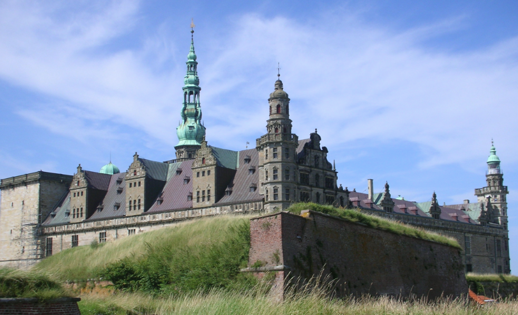
Plan Your Visit to Kronborg Castle: The Real-Life Elsinore
Plan Your Visit to Kronborg Castle: The Real-Life Elsinore - DENMARK - Located in Helsingør, Denmark, just a short train ride from Copenhagen, Kronborg Castle is one of Northern Europe's most significant Renaissance fortresses. While it is universally famous as the setting for Shakespeare's Hamlet—known as Elsinore—its real history as a strategic guardian of the narrow strait between Denmark and Sweden is just as compelling.
How to Travel from Copenhagen to Gilleleje: Train & Driving Guide
How to Travel from Copenhagen to Gilleleje: Train & Driving Guide - DENMARK - If you want to experience the quintessential charm of the "Danish Riviera," a day trip from Copenhagen to the picturesque fishing town of Gilleleje is the perfect escape. Located at the northernmost point of Zealand, Gilleleje offers a glimpse into everyday Danish life outside the bustling capital. With its active fishing harbor, thatched-roof cottages, and beautiful sandy beaches, it is a beloved summer retreat for locals and tourists alike.
How to Travel from Copenhagen to Kronborg Castle
How to Travel from Copenhagen to Kronborg Castle - DENMARK - If you are exploring Denmark's capital and want to step inside a piece of literary and royal history, a day trip to Kronborg Castle is an absolute must. World-famous as the setting of William Shakespeare's Hamlet, this imposing 16th-century Renaissance castle sits on the edge of the sea in the picturesque town of Helsingør (Elsinore).
Bluesky Threads X FB WA SMS