 FLORIDA - As of April 21, 2026, Florida is navigating a particularly volatile spring. Record-breaking dry conditions have led to major wildfires in Northeast Florida, while "thirsty" wildlife is moving closer to homes in search of water.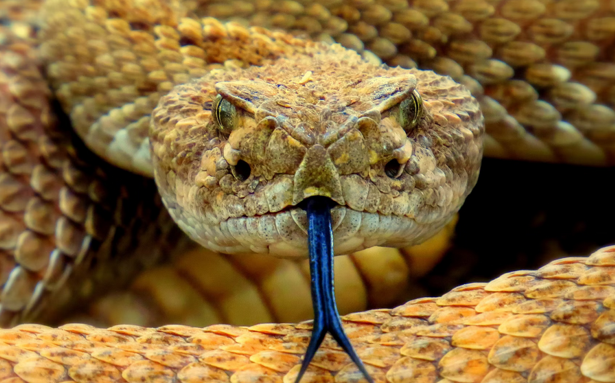
The Florida Department of Agriculture and Consumer Services (FDACS) and UF/IFAS experts have issued several high-priority alerts for residents this month.
1. Thirsty Pests and Predator Movement
The ongoing drought in April 2026 has significantly impacted wildlife behavior. With limited natural water sources, animals that typically stay in the brush are being pushed into residential neighborhoods.
- Snakes: Activity has spiked this month as snakes move more freely in search of moisture. They are frequently spotted on asphalt and concrete (sidewalks and roads), which retain heat during the day.
- Nuisance Predators: Coyotes and raccoons are increasingly bold, wandering into yards to chew through irrigation lines or access pet water bowls.
- Safety Fact: Most snake encounters in Florida right now involve non-venomous black racers or corn snakes, but officials warn that Florida's six venomous species—including the Eastern Diamondback and Cottonmouth—are also highly active and defensive.
2. The "Railroad Fire" and Wildfire Hazards
As of April 20, 2026, a massive blaze known as the "Railroad Fire" has consumed over 3,000 acres along the Clay–Putnam County line.
- The Alert: Most of Northeast Florida is currently under a red flag warning.
- The Risk: Strong winds (gusts up to 30 mph) and dry brush are causing erratic fire behavior. Residents in Northeast Florida are urged to stay indoors to avoid smoke inhalation and to ensure they have a wildfire evacuation plan ready.
- Secondary Threat: Wildfires often drive larger wildlife (bears, panthers, and deer) across highways. Use extreme caution when driving near smoke-filled areas.
3. Invasive Forest Pests: The "First Detector" Warning
In early April 2026, UF/IFAS issued a critical alert regarding invasive pests threatening Florida's 17 million acres of forestland.
- Pine Weevils and Bark Beetles: Specifically, the Large Pine Weevil and various Bark Beetles are being monitored as part of the Cooperative Agricultural Pest Survey (CAPS).
- The Danger: These pests can devastate Florida's $6.6 billion pine industry.
- What to Look For: If you notice "pitch tubes" (popcorn-like clumps of sap) on pine trees or sudden canopy browning, report it to your local extension office. Early detection is vital to prevent these pests from becoming established.
4. Red Tide Status: Southwest Coast Alert
The FWC's April 17, 2026, status report indicates that, while state levels are generally low, the red tide organism (Karenia brevis) has been detected at "background concentrations" in Lee, Escambia, Okaloosa, and Gulf counties.
- The Hazard: While current levels don't typically cause massive fish kills, those with respiratory issues (asthma or COPD) should avoid beaches in these counties if they experience irritation.
- Forecast: Winds are predicted to move surface waters predominantly to the south/southwest, which may keep concentrations offshore for the next several days.
5. Mosquito and Tick Season "Jumpstart."
South Florida and the Gulf Coast are seeing an early surge in mosquito activity due to unseasonably warm temperatures.
- The Threat: Mosquito control districts in Broward and Hollywood have begun larvicide treatments as of April 2, 2026.
- The Risk: Early-season mosquitoes are increasing the local risk for dengue and West Nile virus.
- Tick Surge: Deer ticks have been active in Florida's brush since early March. Nymphal ticks—which are the size of a poppy seed—are at their peak right now and are the primary carriers of Lyme disease in the Southeast.
Checklist for Florida Residents
- Water Safety: Secure your irrigation lines; thirsty wildlife like raccoons can cause expensive damage to your lawn systems.
- Fire Preparedness: If you live in Northeast Florida, clear "defensible space" (remove dry leaves/limbs) around your home immediately.
- Snake Awareness: Check under patio furniture and near hoses; snakes are seeking the shade and moisture found in garden beds.
- Stop the Breed: Tip over standing water every 3 to 5 days to kill mosquito larvae before they become biting adults.