 FLORIDA - In Florida, "snake season" is practically year-round. From the dense swamps of the Everglades to the pine forests of the Panhandle and the manicured golf courses of Naples, the Sunshine State is a reptile paradise. Florida boasts over 50 species of native snakes, the highest number of any state in the Southeast.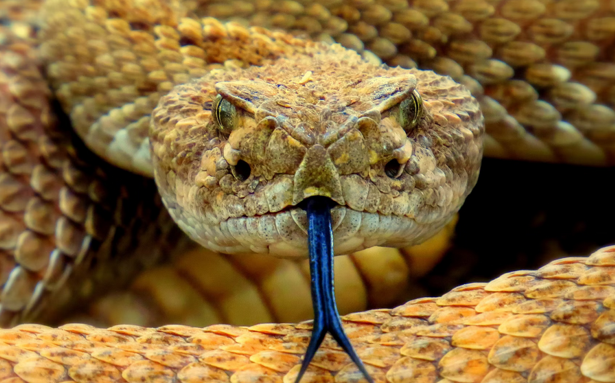
 While most of these slithering locals—like the Indigo Snake or the Black Racer—are harmless and beneficial, six species pack a lethal punch. Unlike northern states where winter offers a reprieve, Florida’s mild climate keeps these reptiles active longer. Whether you are kayaking the springs or hiking the Florida Trail, knowing the difference between a harmless water snake and a deadly viper is a critical survival skill.
Here is the definitive guide to the six venomous snakes slithering through Florida.
1. The Eastern Diamondback Rattlesnake (Crotalus adamanteus)
- Danger Level: Critical (The most dangerous snake in North America)
- Where they hide: Statewide. Palmetto thickets, pine flatwoods, and sandhills. They are strong swimmers and have even been found crossing open water between islands in the Keys.
This is the heavyweight champion. The Eastern Diamondback is the largest venomous snake in North America, capable of reaching sizes over 6 feet. It doesn't back down easily; if cornered, it will hold its ground, rattle loudly, and can strike up to two-thirds of its body length.
-
ID Tip: A massive body with distinct dark diamonds outlined in yellow running down the back. The tail ends in a large rattle.
2. The Dusky Pigmy Rattlesnake (Sistrurus miliarius barbouri)
- Danger Level: Moderate to High (Common and aggressive)
- Where they hide: Statewide. Found everywhere from marshes to suburban flower beds.
While the Diamondback gets the fame, the "Ground Rattler" causes the most headaches. These snakes are small (usually under 20 inches) and feisty. Because their rattle is tiny—sounding like a faint insect buzz—many people never hear the warning before they step on one.
-
ID Tip: Grey body with rows of dark blotches and a reddish-orange stripe running down the spine.
3. The Florida Cottonmouth / Water Moccasin (Agkistrodon conanti)
- Danger Level: High
- Where they hide: Statewide. Any body of water: swamps, drainage ditches, retention ponds, and creeks.
Florida’s most notorious aquatic viper. Unlike shy water snakes that flee quickly, the Cottonmouth often stands its ground and gapes its mouth open to display a startling white interior. They are semi-aquatic and are just as comfortable basking on a riverbank as they are swimming.
-
ID Tip: A thick, heavy body with a blocky head and a dark "mask" stripe through the eye. They swim buoyantly with their entire body floating on the surface.
4. The Eastern Coral Snake (Micrurus fulvius)
- Danger Level: Critical (Neurotoxic venom)
- Where they hide: Statewide. Pine flatwoods, scrub areas, and often hidden under rotting logs or leaf litter.
The "Ghost of the Woods." The Coral Snake is Florida's only venomous relative of the cobra. Its venom attacks the nervous system, potentially causing respiratory failure. Fortunately, they are reclusive and rarely bite unless handled.
-
ID Tip: Remember the rhyme: "Red touch yellow, kill a fellow; Red touch black, venom lack." (Look for the black nose).
5. The Timber / Canebrake Rattlesnake (Crotalus horridus)
- Danger Level: Very High
- Where they hide: Northern Florida only. Found in the Panhandle and parts of Northeast Florida (Suwannee River area).
In Florida, this species is often called the Canebrake Rattlesnake. They favor low-lying swampy areas and river floodplains. They are large, potent pit vipers but are generally more docile than their Diamondback cousins.
-
ID Tip: A chevron (V-shaped) pattern on a tan or grey body, with a vivid reddish-brown stripe running down the spine and a velvet-black tail.
6. The Southern Copperhead (Agkistrodon contortrix)
- Danger Level: Moderate
- Where they hide: Florida Panhandle only. Restricted mostly to the Apalachicola River valley and western counties (e.g., Liberty, Gadsden).
Many Floridians mistakenly believe Copperheads are everywhere. In reality, they are rare in Florida, found only in the specific habitats of the Panhandle. Like their northern cousins, they are experts at freezing in place and blending into leaf litter.
-
ID Tip: The "Hershey’s Kiss" pattern—dark hourglass bands on a tan/copper body.
Safety & First Aid: What to Do If Bitten
Snakebites in Florida are medical emergencies. Distance to a hospital can be an issue in rural areas (like the Ocala National Forest or the Everglades).
THE DON'TS:
- NO Tourniquets (Trapping venom destroys the limb).
- NO Cutting and sucking (This is a movie myth; it causes infection).
- NO Ice or alcohol.
THE DO'S:
- Call 911 immediately. Miami-Dade Fire Rescue possesses one of the best antivenom banks in the country (Venom 1 Unit), but you need to get to a hospital first.
- Stay Calm. A racing heart pumps venom faster.
- Remove Constriction. Rings, watches, and tight clothing must come off before swelling becomes severe.
- Take a Photo (Safely). Doctors treat Coral Snake bites differently than Viper bites. A photo helps, but do not risk a second bite.
A Note on Invasive Species: While not venomous to humans in the same way, Florida is also home to invasive Burmese Pythons in the Everglades. They pose a physical threat to pets and small wildlife, but the venomous six listed above are the primary danger to hikers.
Video: Florida Fish & Wildlife - Snake Identification Guide This video helps distinguish the venomous Water Moccasin from the harmless Florida Banded Water Snake.