 FLORIADA - Florida has long been known as the "wild frontier" of the East Coast, but as we enter 2026, the stakes have changed. Record-breaking heat waves and habitat shifts have led to a surge in "brazen" wildlife encounters, particularly in the sprawling suburbs of South Florida and the nature corridors of the Panhandle.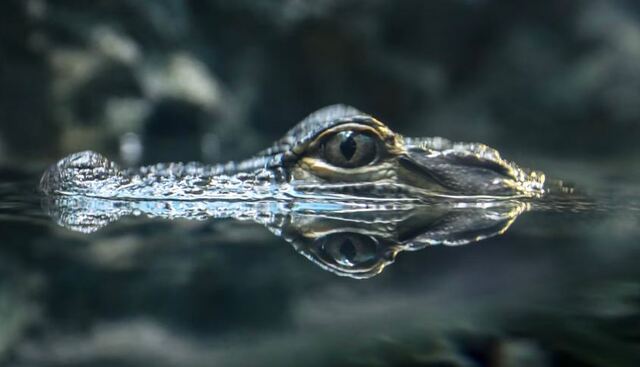
While tourists often worry about the "monsters" in the Everglades, locals know that the most significant threats are often found right in their own backyards. Here are the five most dangerous animals calling Florida home this year.
1. The American Alligator
With an estimated population of over 1.3 million, the American alligator is a permanent fixture of the Florida landscape. In 2026, however, biologists are noting that these apex predators are becoming increasingly bold due to "food conditioning."
- The 2026 Context: As urban development encroaches on wetlands, alligators are frequently found in golf course ponds, drainage ditches, and even swimming pools.
- The Danger: While they generally avoid humans, alligators are lightning-fast ambush predators. The greatest risk occurs during the spring mating season or when humans "brazenly" feed them, causing them to lose their fear and associate people with food.
- Safety Tip: Assume every body of fresh or brackish water in Florida contains an alligator. Stay at least 60 feet away from the water's edge, especially at dawn and dusk.
2. The Bull Shark
While Florida is the "Shark Bite Capital of the World," the Bull Shark is the species that locals fear most. Unlike the Great White, Bull Sharks thrive in the very places where Floridians recreate.
- The Fresh Water Threat: Bull Sharks have a unique physiology that allows them to thrive in both saltwater and freshwater. They have been documented miles up the St. Johns River and in various canal systems.
- The Danger: They are highly territorial and aggressive. Because they hunt in shallow, murky water where visibility is poor, "hit-and-run" bites on swimmers are a constant concern in 2026.
- Safety Tip: Avoid swimming near river mouths or in murky water after heavy rains. Never wear shiny jewelry in the water, as it can mimic the flash of fish scales.
3. The Burmese Python
Once an exotic curiosity, the invasive Burmese Python has officially taken over the Greater Everglades Ecosystem. By early 2026, sightings have moved significantly northward into Broward and Palm Beach counties.
- The Expansion: These massive constrictors, which can reach lengths of 20 feet, have decimated local mammal populations. In "brazen" recent encounters, pythons have been found in residential gardens and under parked cars in suburban neighborhoods.
- The Danger: While they rarely target humans, they pose a severe threat to pets and small children. Their camouflage is near-perfect, making them almost invisible until they are stepped on or disturbed.
- Safety Tip: If you live near a canal or preserve in South Florida, keep your yard clear of heavy brush and supervise small pets at all times when outdoors.
4. The Eastern Diamondback Rattlesnake
Florida is home to six venomous snakes, but the Eastern Diamondback is the largest and most dangerous. It is the heaviest venomous snake in the Americas and can be found in every county in the state.
- The "Brazen" Behavior: In 2026, state park rangers are reporting more encounters on popular hiking trails as these snakes bask in the open to regulate their temperature.
- The Danger: Their bite is a medical emergency. They possess a high volume of hemotoxic venom that destroys tissue and prevents blood clotting. A single strike can be fatal to a human if not treated immediately with antivenom.
- Safety Tip: If you hear a loud, dry "buzzing" sound, stop immediately. These snakes can strike a distance up to two-thirds of their body length. Do not attempt to move or kill the snake; simply back away slowly.
5. The Florida Panther
Though their numbers are small (estimated around 200), the Florida Panther is the state’s most powerful land predator. As their population slowly recovers, they are being pushed into areas where they haven't been seen in a century.
- The 2026 Alert: For the first time in decades, confirmed sightings have occurred in the central and northern parts of the state, far from their traditional South Florida strongholds.
- The Danger: Panthers are incredibly powerful hunters capable of taking down large deer. While they are elusively shy, a cornered panther or one protecting a kill is a lethal threat to anyone in the vicinity.
- Safety Tip: If you see a panther, do not run—this triggers their predatory chase instinct. Stand your ground, look as large as possible, and shout. If you have small children, pick them up immediately without crouching.
Living in the Sunshine State
 Florida’s beauty comes from its wildness, but the "brazen" behavior seen in early 2026 is a reminder that we are guests in their environment. Whether you are boating in the Keys or hiking in the Ocala National Forest, situational awareness is your best defense. Respect the boundaries, secure your attractants, and always give Florida’s "Big Five" the space they deserve.
