 Forget the theme parks. From prehistoric underground caves to the only place on Earth where two ancient predators meet, the "Real Florida" is a different planet entirely. If your image of Florida is limited to mouse ears and Miami nightlife, you are visiting the wrong state.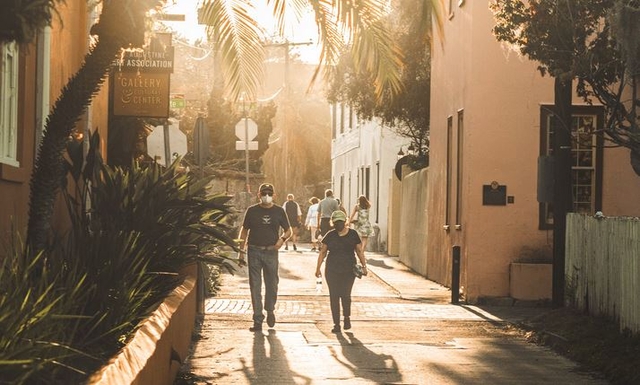
 Beneath the tourist veneer lies a land of geological oddities, ancient history that predates the Pilgrims, and ecosystems so rare they shouldn't legally exist in North America. For the traveler looking to escape the crowds and find the story, here is why the Sunshine State is the most misunderstood destination in the U.S.—and how you can see the side most tourists miss.
1. It is the Only Place on Earth Where Alligators and Crocodiles Coexist
You might think you know the difference, but Florida is the only environment in the world where the American Alligator (freshwater, broad snout) and the American Crocodile (saltwater, narrow snout) swim in the same waters.
- The Science: This happens in the brackish waters of the Everglades at the southern tip of the peninsula.
- Where to see it: Visit Everglades National Park. If you spot a grayish lizard with a toothy grin (croc) sunning near a black, U-shaped snout lizard (gator), you are witnessing a global biological anomaly.
2. Florida Has More "First Magnitude" Springs Than Anywhere Else
Forget the beaches for a second. Florida sits on top of a massive limestone honeycomb called the Floridan Aquifer, which pumps out billions of gallons of crystal-clear, 72°F water every day.
- The Rare Fact: Florida has the highest concentration of first-magnitude springs (springs that discharge at least 64.6 million gallons of water per day) in the world.
- The Trip: Skip the hotel pool and snorkel in Ginnie Springs, Silver Glen Springs, or the prehistoric-looking Devil’s Den—a subterranean spring located inside a dry cave that looks like a cenote from Mexico.
3. The "Real" Cowboys Were Here Before Texas
When you think of the Wild West, you think of Texas. You should be thinking of Kissimmee. Florida’s cattle history dates back to 1521, when Ponce de León brought the first cows to North America. The "Cracker Cowboys" (named for the sound of their whips cracking the air) were herding cattle through swamps centuries before the first cowboy rode the range in the West.
-
The Trip: Visit a rodeo in Arcadia, Florida’s cowboy capital, or stay at a dude ranch in Central Florida to see the marsh-herding dogs and "scrub cows" that still define the state's agriculture.
4. You Can Kayak Through "Living Light"
Bioluminescence—water that glows neon blue when disturbed—is usually associated with Puerto Rico or remote bays in Asia. But Florida has one of the most consistent bioluminescent ecosystems on the continent.
- The Rare Fact: In the summer months, the Merritt Island National Wildlife Refuge comes alive with dinoflagellates. When you paddle your kayak, the water glows electric blue. In winter, a different phenomenon occurs with "comb jellies" that emit a rainbow-like light.
- The Trip: Book a clear-bottom kayak tour near Titusville between June and September for the peak "Avatar-like" experience.
5. It’s Not Flat—It’s "Inverted"
Florida is famously the flattest state in the U.S. (its highest point, Britton Hill, is lower than some skyscrapers in Miami). However, its topography isn't flat; it goes down.
-
The Rare Fact: Florida is full of sinkholes and underwater caverns that attract cave divers from around the globe. The Diepolder Cave System is over 300 feet deep—deeper than the Statue of Liberty is tall—hidden entirely underwater beneath the flat ground.
6. St. Augustine is Older than Jamestown (By a Lot)
American history textbooks often start with Jamestown (1607) or Plymouth Rock (1620). They are late to the party. St. Augustine was founded by the Spanish in 1565, making it the oldest continuously occupied European settlement in the continental United States.
- The Foodie Angle: This history created a unique culinary micro-culture: The Minorcans. Descendants of indentured servants from Menorca, Spain, settled here in the 1700s.
- The Dish: You must try Minorcan Clam Chowder. Unlike the creamy New England or tomato-heavy Manhattan versions, this chowder uses the fiery datil pepper, a chili grown only in St. Augustine.
7. The Best National Park is 99% Underwater
Dry Tortugas National Park is a bucket-list destination that requires effort. Located 70 miles west of Key West, it is accessible only by seaplane or ferry.
- The Rare Fact: The park is dominated by Fort Jefferson, the largest brick masonry structure in the Americas (composed of 16 million bricks). Yet, the fort was never finished, and the park itself is 99% water.
- The Trip: It offers the least-disturbed coral reefs in the Florida Keys. Because there is no cell service, no water, and no food sold on the island, it is the ultimate "castaway" experience for snorkelers.
Summary: The "Rare Florida" Checklist
- Eat: Datil Pepper Chowder in St. Augustine.
- Swim: Snorkel the 72-degree waters of Devil's Den.
- Explore: Take the ferry to Fort Jefferson for a day off the grid.
