 Florida's legal landscape is undergoing a massive transformation as we enter 2026. While the state is well-known for its tax-friendly environment, several new laws taking effect on January 1, 2026, focus on digital privacy, homeowner rights, and significant changes to how residents interact with technology and the environment.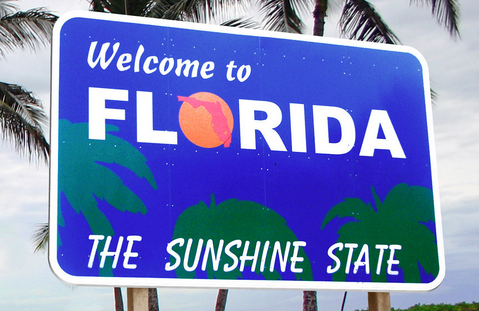
Here are the five most impactful new Florida laws taking effect on New Year's Day.
1. The Digital Bill of Rights (Enforcement Phase)
Although passed earlier, the full enforcement and major compliance deadlines for Florida's Digital Bill of Rights officially take effect on January 1. This law is one of the most comprehensive tech regulations in the country.
- The Change: Major tech platforms (those with over $1 billion in global revenue) must now provide Florida residents with the explicit right to opt out of the collection of personal data through voice and facial recognition.
- Targeting Big Tech: The law specifically targets "gatekeeper" companies, requiring them to be transparent about whether they prioritize search results based on political or religious beliefs.
- Child Protection: It also imposes strict bans on collecting personal data from anyone known to be under 18 without parental consent.
2. The HOA Transparency and Oversight Act
After a year of high-profile disputes between homeowners and associations, Florida is implementing stricter regulations on Homeowners' Associations (HOAs) starting January 1.
- The Law: HOA boards are now required to provide a digital copy of all rules and covenants to every member. They must also maintain an accessible website or portal for official records.
- Fines and Liens: The new law limits an HOA's ability to place a lien on a home for minor penalties. It mandates a "reasonable" grace period and requires that all fines be clearly itemized before legal action is taken.
- Education: All HOA board members must now complete a state-certified education course regarding their legal obligations.
3. The "Right to Repair" for Farm Equipment
In a significant win for Florida's massive agricultural sector, the Agricultural Repair Modernization Act takes full effect on New Year's Day.
- The Change: Manufacturers of tractors and other farm machinery are now legally required to provide farmers and independent repair shops with the same diagnostic tools, manuals, and software parts that they provide to authorized dealers.
- The Impact: This aims to lower costs for Florida farmers by allowing them to fix their own equipment rather than waiting weeks for an "official" technician to travel to their farm.
4. Mandatory "Heat Illness" Prevention for Outdoor Workers
In response to several years of record-breaking summer temperatures, Florida is introducing new safety requirements for industries with outdoor workers, such as construction and agriculture.
- The Requirement: Employers must now provide access to shaded areas and cool drinking water when temperatures reach specific heat-index thresholds.
- Training: Supervisors are now required to be trained in recognizing the early signs of heat stroke and heat exhaustion, with mandated "recovery breaks" during peak heat hours.
5. Expansion of the "Move Over" Law (New Penalties)Florida'ss "Move Over" law is getting a significant update on January 1 to include
- The Law: Drivers are now required to move over one lane (or slow down to 20 mph below the speed limit) for any vehicle stopped on the shoulder with its hazard lights on, emergency flares deployed, or displaying a warning sign.
- The Penalty: Violations will now result in a non-criminal traffic infraction and a higher fine, aimed at reducing the rising number of roadside fatalities on Florida's highways.
Honorable Mention: New Tax Exemptions for Disaster Preparedness
 Starting January 1, Florida will also implement a permanent expansion of sales tax exemptions for "hardening" homes against hurricanes. This includes a zero tax rate on the purchase of impact-resistant windows, doors, and garage doors for the 2026 calendar year to encourage residents to prepare before the next storm season begins.
