 COLORADO - As Colorado kicks off 2026, the state is grappling with a series of high-profile wildlife tragedies and shifting predator dynamics. While the Rocky Mountains are a playground for millions, the start of the year has served as a grim reminder that the boundary between adventure and danger is razor-thin.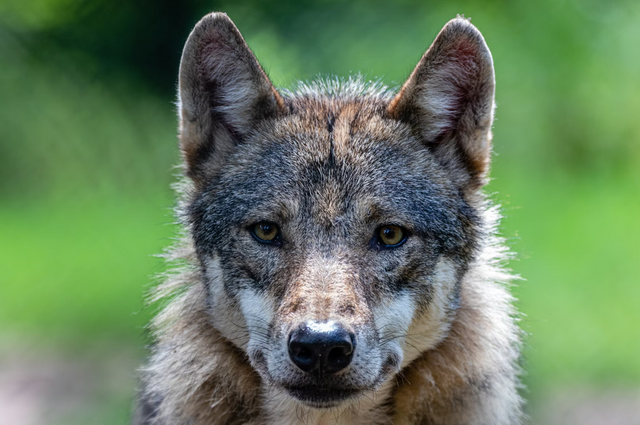
Following a "brazen" fatal mountain lion attack on New Year’s Day and escalating tensions surrounding the state’s wolf reintroduction program, Colorado Parks and Wildlife (CPW) is urging a new level of "wildlife-wise" vigilance. Here are the five most dangerous animals posing a threat to Coloradans this year.
1. The Mountain Lion (Cougar)
The start of 2026 has been defined by a rare and heartbreaking tragedy in Northern Colorado. On January 1, 2026, a 46-year-old hiker, Kristen Marie Kovatch, was fatally attacked by a mountain lion on the Crosier Mountain Trail in Larimer County.
- The "Brazen" Event: Witnesses who discovered the scene reported a mountain lion standing over the victim just feet from the trail. In the days following, CPW officers euthanized two subadult lions in a "family group" and searched for a third. This was the first fatal cougar attack in Colorado in over 25 years, signaling a terrifying shift in encounter frequency.
- The Danger: As 150-pound ambush predators, lions are masters of the "silent strike." Wildlife officials note that lions are increasingly following deer herds into lower-elevation suburbs like Estes Park and Glen Haven, bringing them into direct contact with residential hikers.
- Safety Tip: Never hike alone in lion country. If you encounter a lion, maintain eye contact, act aggressive, and throw rocks. If attacked, fight back—do not play dead.
2. The Gray Wolf
Colorado’s wolf reintroduction is at a political and physical breaking point in early 2026. While the "Copper Creek" pack dominated headlines last year, the state is now facing a "brazen" federal challenge.
- The 2026 Conflict: In January 2026, the federal government threatened to revoke Colorado’s authority to manage its wolves, citing violations in how the state reintroduced animals from Canada. Meanwhile, ranchers on the Western Slope report that wolves are becoming increasingly bold, circling livestock pens even in the presence of non-lethal deterrents.
- The Danger: While wolf attacks on humans are extremely rare, the intelligence and coordination of a pack make them a lethal threat to livestock and domestic pets.
- Safety Tip: If you live in a wolf-active area (like Grand or Summit counties), keep pets in secure, roofed kennels at night and avoid leaving attractants near your home.
3. The American Black Bear
While most are currently in winter torpor, the data from 2025 shows that Colorado’s bears are more active—and more comfortable around humans—than ever before.
- Record-Breaking Conflicts: CPW received over 5,200 bear reports in 2025, one of the highest numbers on record. The "brazen" behavior of bears entering kitchens, garages, and even vehicles in towns like Boulder and Silverthorne has become a primary management concern.
- The Danger: A bear that has lost its fear of humans is a dangerous bear. Mother bears are particularly defensive of their cubs, and their immense strength can easily bypass standard residential doors.
- Safety Tip: "Bear-proof" your life by using locking dumpsters and keeping ground-floor windows closed. If a bear enters your home, do not block its exit.
4. The Shiras Moose
Statistically, the moose remains one of Colorado’s most frequent sources of wildlife-related injuries. In early 2026, deep snow in the high country is pushing these 1,000-pound giants into residential valleys.
- The Defensive Threat: Unlike many predators that flee when confronted, a moose is more likely to stand its ground or "brazenly" charge. They are notoriously territorial and perceive domestic dogs as wolves, often attacking even if the dog is leashed.
- The Danger: A moose’s primary weapon is its hooves; they can kick with lethal force in any direction.
- Safety Tip: Give moose at least 50 feet of space. If a moose lays its ears back or the hair on its hump stands up, it is about to charge. Run for the nearest tree or vehicle to put a solid barrier between you and the animal.
5. The Prairie Rattlesnake
While currently dormant, the Prairie Rattlesnake is the most common venomous threat to Colorado hikers, particularly along the Front Range.
- 2026 Activity: Unseasonably warm winter spikes in the Golden and Boulder foothills have led to reports of snakes emerging early from their dens to bask on south-facing rocks.
- The Danger: Their hemotoxic venom destroys tissue and prevents blood clotting. Most bites occur when hikers or bikers accidentally corner a snake on a narrow trail.
- Safety Tip: Stick to the center of well-used trails and never reach into rocky crevices. If you hear the distinctive "buzzing" rattle, freeze. Locate the snake, then back away slowly.
A New Era of Coexistence
 Colorado’s 2026 landscape is a reminder that "wild" is not a destination—it’s our backyard. The tragic mountain lion attack at Crosier Mountain has changed the conversation for hikers statewide. Respecting the wild in Colorado now requires proactive prevention: hiking in groups, securing attractants, and acknowledging that we share this mountain home with powerful, unpredictable neighbors.