 MONTANA - As Montana navigates the heart of the 2025–2026 winter season, wildlife officials are seeing a historic shift in predator expansion. While Big Sky Country has always been wild, 2026 is proving to be a landmark year for "brazen" wildlife activity, with apex predators documented in areas they haven't occupied in over half a century.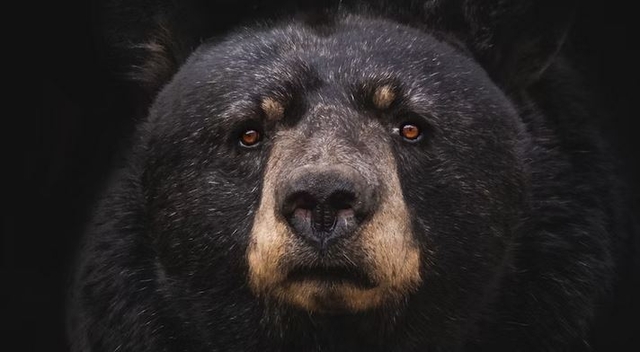
From grizzly bears wandering east of Bozeman to mountain lion family groups appearing near Red Lodge, the boundary between the ranch and the wilderness is under unprecedented pressure. Here are the five most dangerous animals threatening Montanans this year.
1. The Grizzly Bear
Montana holds the largest grizzly population in the lower 48, and in early 2026, they are moving into brand-new territory. State biologists recently confirmed a "brazen" grizzly sighting in the Bangtail Range east of Bozeman—the first formal documentation in that area since recovery efforts began.
- The 2026 Crisis: Despite their protected status, grizzly mortalities reached record levels in late 2025, with over 70 deaths in the Greater Yellowstone Ecosystem. Most were human-related, caused by bears becoming food-conditioned near residential grain, pet food, and livestock.
- The Danger: A grizzly is significantly more aggressive than a black bear, especially when protecting a carcass or cubs. They can reach speeds of 35 mph and have enough strength to overpower any human easily.
- Safety Tip: Carry bear spray in an accessible holster, not inside your pack. If you encounter a grizzly, speak in a calm, low voice to identify yourself as human and back away slowly. Do not run.
2. The Mountain Lion (Cougar)
With an estimated population of over 5,000, mountain lions are Montana's most successful—and silent—predators. In early 2026, residents in Red Lodge and Helena have reported a surge in "brazen" daylight activity, including videos of mother lions teaching subadults to hunt near residential trailheads.
- The 2026 Alert: Following a tragic fatal cougar attack in a neighboring state on New Year's Day, Montana officials have increased warning signage at popular spots like Mount Helena. Biologists are concerned that lions are following mule deer herds directly into town centers to escape deep snow in the mountains.
- The Danger: As ambush predators, mountain lions are often not seen until they strike. They are structurally built to target the neck and head, making them a lethal threat to solo hikers and pets.
- Safety Tip: Maintain eye contact and act aggressively. Raise your arms to look larger and throw rocks or sticks. Never turn your back or crouch down, as this mimics the posture of four-legged prey.
3. The Gray Wolf
Montana's wolf management has entered a high-stakes period in 2026. With a statewide harvest quota set near 500 for the current season, territorial pressure is pushing packs into new "brazen" conflicts with residential ranching operations.
- The Territory Shift: Wolf packs are no longer confined to the remote backcountry of Glacier or Yellowstone. They are increasingly being documented in the Bitterroot and Missoula valleys, where they often view domestic dogs as territorial rivals or prey.
- The Danger: While wolf attacks on humans are rare, their intelligence and pack-hunting tactics make them formidable. A pack can easily surround a target before the threat is even realized.
- Safety Tip: If you live in wolf country, keep pets in secure, roofed kennels at night. If you encounter a wolf, do not run. Stand your ground, look large, and use an air horn or bear spray if the animal approaches within 100 yards.
4. The American Bison
Often underestimated because they look like slow-moving cattle, bison are among Montana's most dangerous animals. In early 2026, deep snow in Yellowstone is forcing bison toward the North Entrance and into residential fringes near Gardiner, seeking easier travel and forage.
- The 2026 Road Hazard: Bison are currently "brazenly" claiming cleared roads for travel, leading to dangerous standoffs with winter commuters.
- The Danger: A 2,000-pound bison is faster and more agile than most people realize, capable of outrunning a human in seconds. They are notoriously temperamental and will gore or stomp anything they perceive as a threat.
- Safety Tip: Give bison at least 100 yards of space. If a bison stops what it's doing and looks at you, you are too close. If its tail is raised, it is likely about to charge.
5. The Shiras Moose
Statistically, the moose is one of the most frequent sources of wildlife-related injuries in Montana. In winter 2026, they are increasingly being found in high-traffic areas like Whitefish and Big Sky.
- The Defensive Threat: Unlike bears, which may flee, a moose is more likely to stand its ground and charge if it feels crowded. During the winter, moose are often calorie-depleted and "brazenly" defensive of their space.
- The Danger: An adult moose can weigh over 1,000 pounds. Their primary weapons are their hooves; they can kick in any direction with lethal force.
- Safety Tip: If a moose displays aggression (ears back, hair on hump raised), get behind a large tree or vehicle immediately. Unlike with bears, it is acceptable to run from a moose to reach a solid obstacle.
Navigating the Montana Wild
Montana's "Big Sky" comes with big responsibilities. The "brazen" behavior seen in early 2026 is a byproduct of a thriving ecosystem meeting a growing human footprint, whether you are skiing at Big Sky or hiking the Bangtails and respecting the wild means staying "bear-aware" and maintaining a safe distance from the powerful apex predators.